

Originally published in Mariskal Rock.com · May 2025
Interview with Mike Portnoy (Dream Theater): “You can play me songs by Beyoncé or Kanye West and I won’t recognize a single one”
By: Jason Cenador · May 8, 2025
InterviewTranslatedMike Portnoy14 min read
Translated from the original language with Google Translate, so the wording may differ from what was actually said.
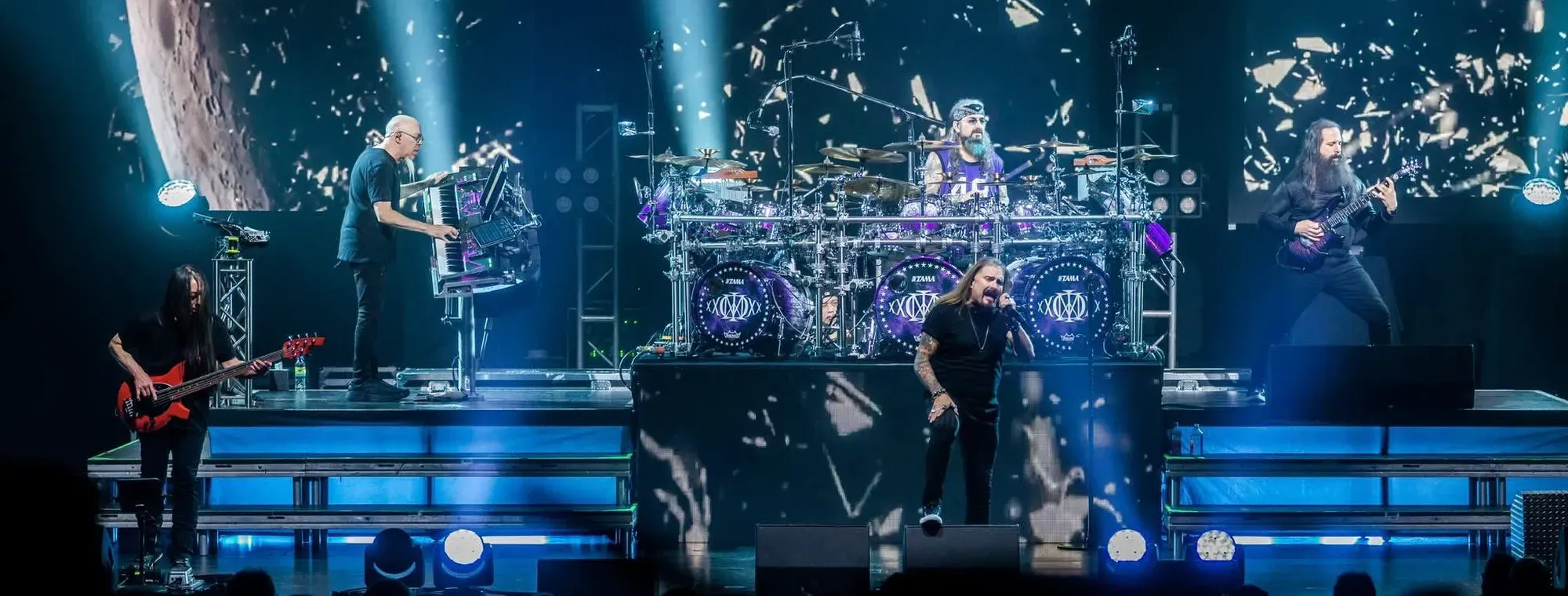
The unsurpassed masters of progressive metal once again left us speechless with Parasomnia, their first album since the return of their celebrated drummer and founding member, Mike Portnoy. With a very busy summer ahead, the American geniuses will once again drop anchor in Spain to perform on Tuesday, June 10th at Marenostrum in Fuengirola (Málaga) and on June 12th as headliners of the splendid tenth edition of the Z! Live Rock Fest in Zamora (tickets here). Jason Cenador had an interesting chat with the drum wizard before the announcement of their full show in Fuengirola, with their concert at the Zamora festival as a backdrop.
Jason Cenador: We’re really looking forward to having you back in Spain, and you’ll actually be playing at Z! Live Rock Fest this year, which is celebrating its tenth edition. What does it mean to you to headline an event of this magnitude?
Mike Portnoy: It’s an honor to have that position. We’re grateful to the promoters for inviting us and we’re really looking forward to it. I personally love playing festivals; my favorite atmosphere is the one you find at outdoor concerts, at summer festivals. I love that, so I’m really excited.
JC: Zamora is a very beautiful and walkable city, so maybe you could take advantage of the time and go for a walk. I’m sure you haven’t been there before.
MP: Personally, I never go out or take walks, but some members do. Jordan [Rudess] really likes to go out and see different cities, so I’m sure he’ll definitely be out and about.
JC: So, are you more of a hotel-stay-at-home type?
MP: Yes, I am. We’ve been doing this for a long time; the band has been around for forty years, and we’ve toured together for about thirty. At this point in our lives and careers, I enjoy having time for myself whenever I can.
JC: What can we expect from your concert in Zamora in terms of the setlist and its length?
MP: We’ll be putting together the setlist in the summer. In the first leg of the European tour for our 40th anniversary, we played a repertoire that we wanted everyone to experience at least once, but we’ll revisit it in the summer. We’re repeating some countries and markets, and that’s when I’ll start putting together the setlist. It will be a mix. The festival setlists will be geared more towards a general audience and not necessarily the most die-hard fans. In the summer, I’ll work on each and every setlist, concert by concert, and I’ll make them different for each market.
JC: You’re once again, as before you left the band, ultimately responsible for choosing the songs to be played at each concert.
MP: Yes. It’s nice to have that responsibility back. When I returned to Dream Theater, there were many areas we had to figure out how to manage, because during my first stint with the band, I oversaw everything to some extent. Then, when I left the group, the others had to figure out who would be in charge of each department, each area. Now, upon returning to the band, we had to decide who would be responsible for each task, and the responsibility for putting together the setlists has been placed in my hands again, which I’m happy about.
JC: Compared to your last concert in Madrid, will you focus more on songs from Parasomnia, your latest album, or will you play more classics?
MP: It will be more of a mix of classics, but with different songs than we played on our last visit. Parasomnia is a concept album that we intend to play in its entirety, so we hope to tour Europe again at the end of the year to play the whole album in select venues. We still need to figure out where and how we’ll do that, but that’s the goal at this point.
JC: It seems a bit of a risky move to play a whole new album at this stage of the band, when many fans also expect to hear a lot of classics and older material, don’t you think?
MP: Yes. Obviously, we have to mix things up. Parasomnia is about seventy minutes long, so if it’s a concert in the ‘An Evening With Dream Theater’ format, the album literally only takes up one set, which would mean another set and an encore with different material. If it’s a tour with a support band, we’ll still play for at least two hours, so there will still be enough time to incorporate other songs.
JC: Mike, what would you say is Dream Theater’s main strength when you play live?
MP: It’s the audience, the fans! They’re so passionate about the band, and that’s what inspires me. When I’m on stage, I’m always looking at the audience and hoping they’ll inspire me, lift me up. During the heavier, more energetic parts, I want to see them fully immersed in them, jumping, clapping, and bouncing, and during the more moving, emotional, and dynamic parts, I look for them singing along or flashing their phones. I spend the entire concert looking at the audience. For me, it’s all about that interaction. That’s the power of playing live. Making a record, composing music, and recording it is fun too, but I’m more interested in, motivated by, and excited about live performances and the interaction.
JC: At Z! Live, you’ll be sharing the festival stage with bands like Meshuggah, Exodus, Rotting Christ, and Nile. What do you think about headlining a day with such great bands?
MP: For me, that’s one of the fun things about summer festivals, sharing the stage with such awesome bands. I’m often friends with some of them. You mentioned Exodus, and Gary Holt is a very, very good friend. I played with him in Metal Allegiance. They’ve also announced the return of Rob Dukes, who’s an old friend, as is Jack Gibson, the bassist. You can make a list of the bands at every festival we play, and there are usually people I’m friends with. I like making friends in other bands. That’s what I did with Metal Allegiance; when I play there, I hang out with musicians from Exodus, Testament, Megadeth, Overkill, Mastodon, Lamb of God... All those are bands whose members I’m friends with, so whenever we run into each other at summer festivals, we have a great time.
JC: Speaking of that video that went viral, is it true you’d never heard of Taylor Swift before?
MP: Yes, it’s true! [laughs] Before making that video for Drumeo, I didn’t know that song. You can play me songs by Beyoncé or Kanye West, and I won’t know any of them. I don’t listen to pop music or the radio, so it’s the absolute truth.
JC: I have to say I really enjoyed the video, and the drums you added to the song were phenomenal; they fit the song perfectly. How about a future collaboration with Taylor Swift?
MP: Absolutely! [laughs] It would be fun, and I’d love to do it!
JC: There are huge differences between today’s music charts and those from, say, thirty or forty years ago. What does that say about the evolution of mainstream culture and the music that’s most popular today?
MP: It’s pretty sad. If you look at the Billboard charts, there are hardly any bands in the top 20. Forget metal bands; there aren’t even any rock groups, bands like Aerosmith or whatever, rock classics. They’re not even on the charts anymore. It’s all pop and rap artists. What can I say? It’s simply the way pop and mainstream music has evolved. But that doesn’t mean metal is any less important. If you look at so many festivals and bands like Slipknot or Korn, they can still headline the biggest metal festivals in the world and continue to do huge shows on their own. Even Iron Maiden can play to a 50,000-person stadium, even though they’re not going to appear on the pop charts in any way. I think our music is reflected more in live performances than in the charts.
JC: Do you have any hope that in the future, more elaborate, pure, and meaningful music might once again take center stage, regardless of style?
MP: It’s out there! Obviously, there’s no shortage of creative bands or original music. You go on YouTube and you can find videos of some of the craziest and most obscure bands in the world. So there’s no shortage of creative music, it’s just not in the mainstream. But that’s fine, it doesn’t bother me. Like I was saying, Iron Maiden can still play to fifty thousand people. It’s just that the focus is on concerts rather than the mainstream. Even when Dream Theater was starting out, forty years ago, in the mid-eighties, we complained that the music on the radio or MTV was very generic. It was the same back then, it’s never changed. The mainstream has always been like that. If you look at the Grammy Awards or the Rock and Roll Hall of Fame induction ceremonies, they’re always going to be like that. But music evolves, and luckily, a band like Dream Theater, or any of the bands I’ve been a part of, doesn’t base our careers on trying to adapt to the mainstream. We do what we do, and luckily, we have a very supportive fanbase that allows us to do so.
Original text
Entrevista a Mike Portnoy (Dream Theater): “Puedes ponerme canciones de Beyoncé o Kanye West y no reconoceré ninguna”
Por: Jason Cenador
08/05/2025
Los insuperables maestros del metal progresivo volvieron a dejarnos boquiabiertos con Parasomnia, primer álbum tras el regreso de su célebre batería y miembro fundador Mike Portnoy. Con un verano muy intenso por delante en el que los genios norteamericanos volverán a echar el ancla en nuestro país para actuar el martes 10 de junio en el Marenostrum de Fuengirola (Málaga) y el 12 de junio como cabezas de cartel de la espléndida décima edición del Z! Live Rock Fest de Zamora (entradas aquí). Jason Cenador mantuvo una interesante charla con el mago de las baquetas antes de que se anunciase su show completo en Fuengirola y con su concierto en el festival zamorano como telón de fondo.
Jason Cenador: Estamos deseando teneros de vuelta en España, y, de hecho, actuaréis este año en el Z! Live Rock Fest, que llega a su décima edición. ¿Qué significa para vosotros encabezar un evento de esta relevancia?
Mike Portnoy: Es un honor tener esa posición. Agradecemos a los promotores que nos hayan invitado y estamos deseando que llegue. A mí personalmente me encanta tocar en festivales, mi ambiente favorito es el que se da en conciertos al aire libre, en festivales de verano. Me encanta eso, así que tengo muchas ganas.
JC: Zamora es una ciudad muy bonita y caminable, así que tal vez podéis aprovechar el tiempo y salir a dar una vuelta. Seguro que no habéis estado ahí antes.
MP: Personalmente, yo nunca salgo ni voy de paseo, pero hay ciertos miembros que sí. A Jordan (Rudess) le gusta mucho salir a dar una vuelta y ver las diferentes ciudades, así que estoy seguro de que él sí que saldrá a echar un vistazo.
JC: Entonces, ¿eres más de quedarte escondido en el hotel?
MP: Sí lo soy. Llevamos mucho tiempo haciendo esto, la banda lleva cuarenta años y hemos girado juntos unos treinta años. En este punto de nuestras vidas y nuestras carreras, yo disfruto de tener tiempo para mí en cuanto tengo la posibilidad.
JC: ¿Qué podemos esperar de vuestro concierto en Zamora en lo relativo al setlist y a su duración?
MP: En verano estaremos confeccionando el setlist. En la primera tanda de conciertos por Europa dentro de la gira por el 40º aniversario tocamos un repertorio que queríamos que todo el mundo experimentase al menos una vez, pero en verano le daremos una vuelta. Repetimos algunos países y mercados, y será entonces cuando empezaré a configurar el setlist. Será una mezcla. Los setlists para los festivales estarán más orientados a una audiencia general y no necesariamente a los fans más acérrimos. En verano me pondré con todos y cada uno de los setlists, concierto a concierto, y los haré diferentes para cada mercado.
JC: Vuelves a ser, como antes de abandonar la banda, el máximo responsable de la elección de las canciones que se van a tocar en cada concierto.
MP: Sí. Es bonito tener de vuelta esa responsabilidad. A mi regreso a Dream Theater, había muchas áreas en las que teníamos que dilucidar cómo administrarlas, porque en mi primera etapa en la banda lo supervisaba todo en cierto modo. Después, cuando dejé el grupo, los demás tuvieron que averiguar quién iba a encargarse de cada departamento, de cada área. Ya al volver a la banda, tuvimos que resolver quién iba a estar al cargo de cada responsabilidad, y la de montar los setlists ha sido puesta en mis manos de nuevo, lo cual me alegra.
JC: En comparación con vuestro último concierto en Madrid, ¿os focalizaréis más en temas de Parasomnia, vuestro último álbum, o tiraréis más de clásicos?
MP: Será más una mezcla de clásicos, pero con canciones diferentes a las que tocamos en la anterior visita. Parasomnia es un disco conceptual que tenemos intención de llegar a tocar de principio a fin, así que esperamos volver a girar por Europa a finales de año para tocar todo el álbum, íntegramente, en ciertos lugares. Todavía tenemos que ver dónde y cómo hacemos eso, pero es el objetivo en este punto.
JC: Parece un movimiento un tanto arriesgado tocar completamente un nuevo álbum en esta etapa de la banda en la que muchos fans también esperan escuchar muchos clásicos y material antiguo, ¿no te parece?
MP: Sí. Obviamente, tenemos que hacer una mezcla. Parasomnia dura unos setenta minutos, así que, si es un concierto en el formato ‘An Evening With Dream Theater’, el disco ocupa literalmente solo un set, con lo que habría otro set y un bis con diferente material. Si se trata de un tour con una banda telonera, seguiremos tocando por lo menos dos horas, de manera que seguirá habiendo tiempo suficiente para incorporar otras canciones.
JC: Mike, ¿cuál dirías que es la principal fortaleza de Dream Theater cuando tocáis en vivo?
MP: ¡Es la audiencia, los fans! Son muy apasionados con la banda y eso es lo que a mí me inspira. Cuando estoy sobre el escenario, siempre estoy mirando al público y buscando que me inspiren, que me levanten. Durante las partes más duras y enérgicas, quiero verlos metiéndose de lleno en ellas, saltando, aplaudiendo y botando, y durante las partes más conmovedoras, emocionales y dinámicas, miro que estén cantando o iluminando con sus teléfonos móviles. Me paso el concierto entero mirando a la audiencia. Para mí, todo gira en torno a esa interacción. Eso es lo potente de tocar en directo. Hacer un disco, componer música y grabarla es también divertido, pero yo estoy más interesado y más motivado y emocionado por las actuaciones en vivo y la interacción.
JC: En el Z! Live vais a compartir jornada de festival con grupos como Meshuggah, Exodus, Rotting Christ o Nile. ¿Qué te parece encabezar una jornada con tan buenos grupos en liza?
MP: Para mí, esa es una de las cosas divertidas de los festivales de verano, compartir escenario con bandas tan geniales. Muchas veces soy amigo de algunas de ellas. Has mencionado a Exodus, y Gary Holt es un muy, muy buen amigo. He tocado en Metal Allegiance con él. Además, han anunciado el regreso de Rob Dukes, que es un viejo amigo, al igual que Jack Gibson, el bajista. Puedes hacer una lista de las bandas de cada festival en el que tocamos, y habitualmente hay gente de la que soy amigo. Me gusta hacer amigos en otras bandas. Es lo que hice con Metal Allegiance; cuando toco ahí, me junto con músicos de Exodus, Testament, Megadeth, Overkill, Mastodon, Lamb of God… Todas esas son bandas de cuyos miembros soy amigo, así que siempre que coincidimos en festivales de verano nos lo pasamos bien.
JC: A propósito de aquel vídeo que se hizo viral, ¿es verdad que no habías escuchado nunca antes a Taylor Swift?
MP: ¡Sí, es verdad! (risas) Antes de hacer ese vídeo para Drumeo no conocía esa canción. Me puedes poner canciones de Beyoncé o Kanye West y no conozco ninguna. No escucho música pop ni la radio, así que es la pura verdad.
JC: He de decir que disfruté mucho el vídeo y las baterías que introdujiste en la canción eran fenomenales, encajaban muy bien en la canción. ¿Qué tal una futura colaboración con Taylor Swift?
MP: ¡Desde luego! (risas) ¡Sería divertido y me encantaría hacerla!
JC: Hay grandes diferencias entre las listas musicales de hoy en día y las que salían hace, digamos, treinta o cuarenta años. ¿Qué dice eso de la evolución de la cultura mainstream y de la música que se escucha más masivamente en la actualidad?
MP: Es bastante triste. Si miras los rankings de Billboard, en el top 20 casi nunca hay bandas. Olvídate de las bandas de metal, es que no hay ni siquiera grupos de rock, bandas como Aerosmith o la que sea, clásicos del rock. Ni siquiera ellos están ya en las listas. Todo son artistas de pop y de rap. ¿Qué puedo decir? Simplemente, es la forma en que ha evolucionado la música pop y mainstream. Pero eso no significa que el metal sea menos grande. Si te fijas en tantos festivales y en bandas como Slipknot o Korn, pueden seguir encabezando los mayores festivales de metal del mundo y continúan haciendo conciertos enormes por su cuenta. Incluso Iron Maiden puede tocar para un estadio de cincuenta mil personas, aunque no vayan a aparecer de ninguna manera en las listas de pop. Pienso que nuestra música se refleja más en los conciertos que en las listas.
JC: ¿Tienes esperanza de que en un futuro la música más elaborada, pura y significativa pueda ocupar nuevamente un plano más protagonista, independientemente del estilo?
MP: ¡Está ahí fuera! Obviamente, no faltan bandas creativas ni música original. Te metes en YouTube y puedes encontrar vídeos de algunas de las bandas más locas y oscuras del mundo. Así que no hay carencias de música creativa, simplemente no está en el mainstream. Pero eso está bien, no me molesta. Como te decía, Iron Maiden puede seguir tocando ante cincuenta mil personas. Es solo que el foco está en los conciertos más que en el mainstream. Incluso cuando Dream Theater estaba empezando, y hace cuarenta años, a mediados de los ochenta, nos quejábamos de que la música que salía en la radio o en la MTV era muy genérica. Era lo mismo por aquel entonces, nunca ha cambiado. El mainstream siempre ha sido así. Si miras las galas de los Premios Grammy o del Rock and Roll Hall of Fame, siempre van a ser así. Pero la música evoluciona y, por suerte, una banda como Dream Theater o cualquiera de las que he sido parte no basamos nuestras carreras en tratar de adaptarnos al mainstream. Hacemos lo que hacemos y, por suerte, tenemos una base de fans que nos apoya mucho y nos lo permite.