
Originally published in Guitar Club magazine · February 2025
John Petrucci and the Recording of Dream Theater’s Parasomnia
by Francesco Sicheri
InterviewTranslatedJohn Petrucci26 min read
Translated from the original language with Google Translate, so the wording may differ from what was actually said.
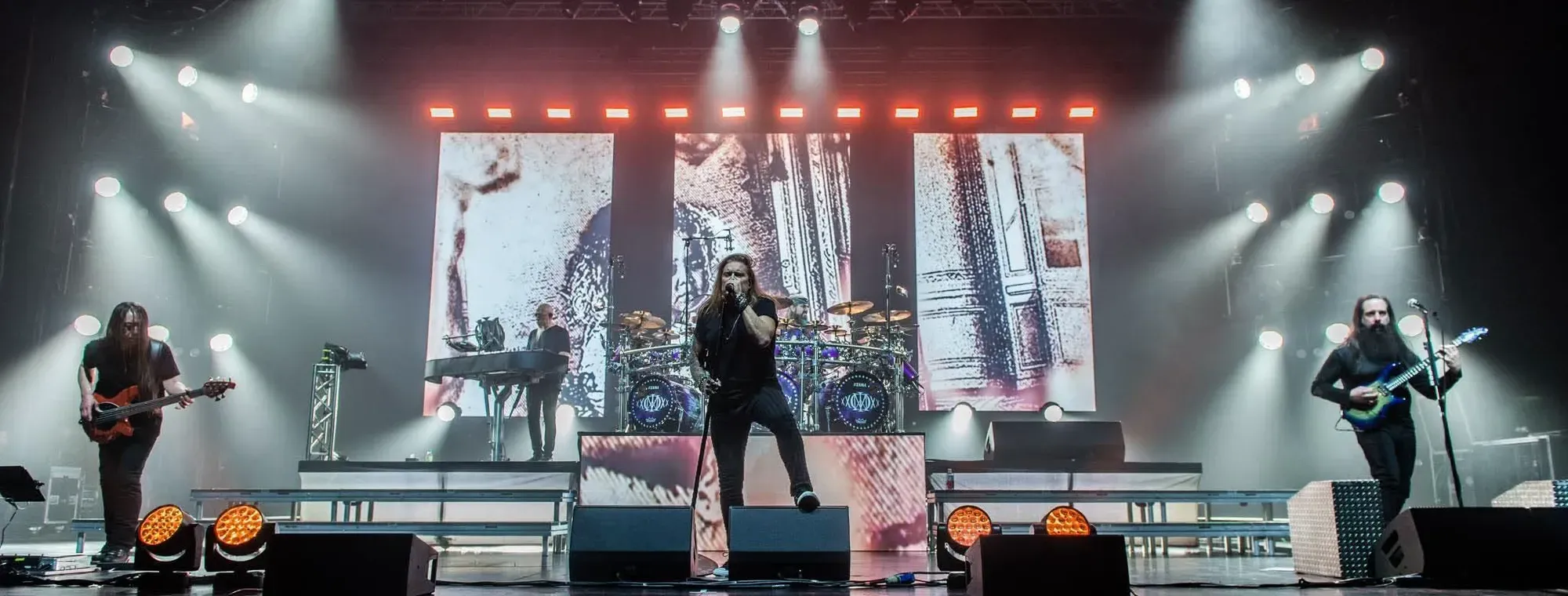
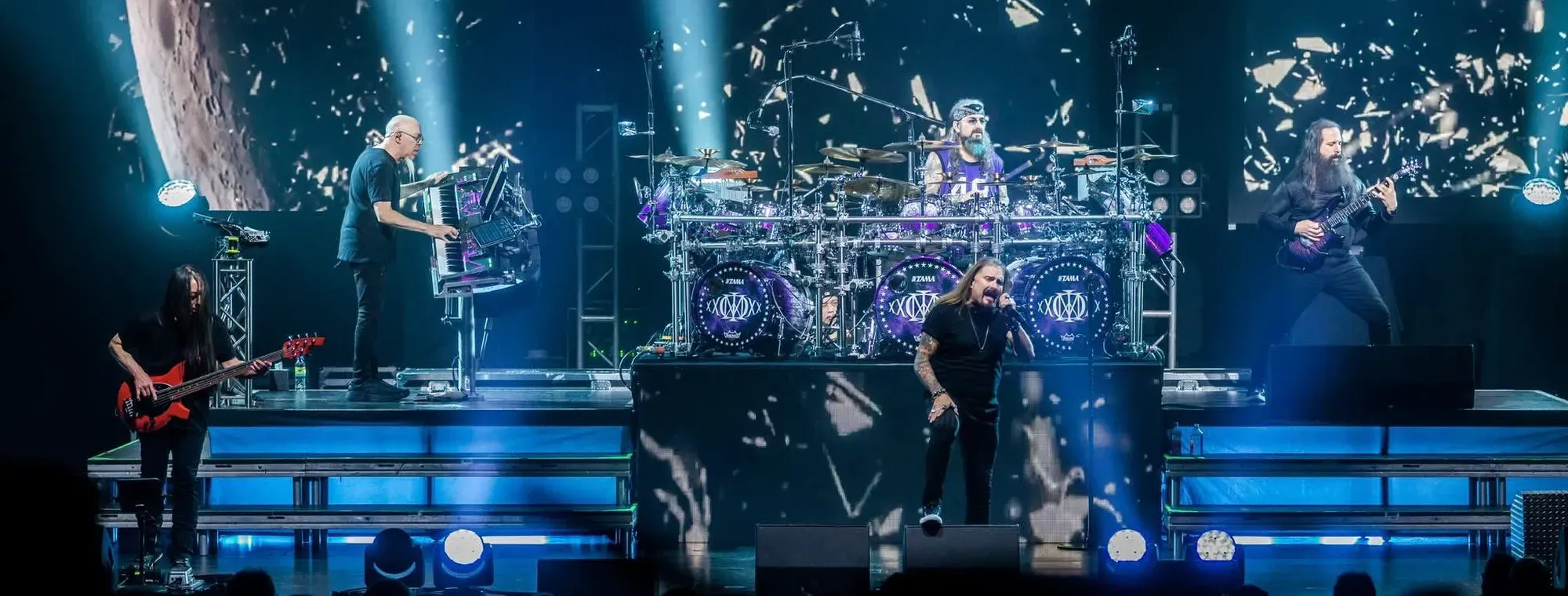
For fourteen long years, fans around the world have been wondering when Mike Portnoy would rejoin Dream Theater, and the wait has been worth it. The 40th anniversary of the American prog metal band was a call impossible to ignore, and so the gang returned to the stage to toast the past and the future. And what better way to do so than with a new album? Parasomnia sends Dream Theater into infinity, and it does so with the usual dose of powerful riffs and explosive patterns.
On February 7, 2025, Parasomnia (InsideOut) will be released, Dream Theater’s sixteenth album and the band’s first with Mike Portnoy since 2009. Everything became clear in 2020, when Petrucci reunited with Portnoy for his solo album, Terminal Velocity. At that moment, the metal world realized that Dream Theater would soon be back with their original drummer, with all due respect to Mike Mangini, who was never fully integrated into the band and its legacy.
With a 40-year career to celebrate and a return to the recording studio that undeniably smells of nostalgia, Dream Theater is experiencing a second adolescence. Sure, it’s a slightly more subdued adolescence, perhaps even a wise one, but adolescence nonetheless. John Petrucci isn’t shy when asked if this album was a fun project, and the end result speaks for itself.
Portnoy back behind the drums, James LaBrie in fine form on the mic, and the unshakeable duo of John Myung and Jordan Rudess were the subject of a long chat with John Petrucci. After chasing him around for a few days, John answered us immediately after the soundcheck for a show in Argentina, during a series of dates in South America for Dream Theater’s 40th anniversary.
Francesco Sicheri: John, first of all, we listened to the new album [Parasomnia] in preparation for this interview, and we have to say it sounds like you guys had a lot of fun.
John Petrucci: We had a lot of fun, yes, a lot. You know, the first song we wrote was ‘Night Terror,’ so yeah, that definitely gives you an idea of the amount of fun we had from the start.
FS: Without diminishing anything you’ve done with Mike Mangini, of course, but was Mike Portnoy’s return to Dream Theater the spark that brought this kind of fun back?
JP: Well, yeah, definitely. We were all really excited to have Mike back in the band, and, you know, we had just built a new live room in our studio, so we were excited about that and all the energy, the anticipation, the expectation... Everything surrounding the band, honestly. Having our old friend and longtime bandmate back in the band definitely had a lot to do with the atmosphere. Yes, we were all really pumped up from the start.
FS: Regarding having Mike back in the band and rekindling this synergy, were there any discussions about pushing the boundaries of your signature sound, or was it more of a desire to return to what you left behind years ago?
JP: I’d say it was a bit of both. Every time we tackle a new album, as a producer I try to make sure it can be our best work yet. That’s why we experiment with new instruments, new solutions, and new ideas. For example, with Parasomnia, we brought a grand piano into the studio, used a Leslie and a Hammond for Jordan, and brought back some old-school guitar preamps that I’d used on several of Dream Theater’s early albums. At the same time, though, there was also an element of nostalgia with Mike’s return... I think we all embraced the idea of something a little nostalgic while writing the songs. There were many moments where we were like, “Oh shit, this sounds like a Scenes From A Memory track, or this could be a Train Of Thought track...” We didn’t fight it, we embraced it. So yes, absolutely, it’s a combination of both.
FS: You just mentioned 2003’s Train Of Thought, and in our notes, we noted that ‘The Shadow Man Incident’ feels very much like a track from that album. It captures elements of ‘Stream of Consciousness’ and other tracks from that album and could easily be mistaken for a song from that era.
JP: I think Train Of Thought is definitely a heavier album than anything we’d done before. We’d worked a lot on the guitar tunings to make it that way, trying to make each song sound as powerful as possible live... The kind of thing where as soon as you start playing, the audience reacts immediately. With ‘Shadow Man’ I think the same effect is created and you can feel it from the start. In any case, I agree, it definitely sounds like a song that could have been on Train Of Thought.
FS: But the new Parasomnia also has some of the heaviest tracks you’ve ever recorded, and ‘A Broken Man’ is probably one of them.
JP: I think it’s due to two factors. The first is the album title. I’ve had the idea for Parasomnia for a few years now, and it’s a very dark title. It’s about sleep disorders and problems: night terrors, sleepwalking, sleep paralysis, and all that scary stuff that can happen at night. This, in itself, gave the album a darker tone, and in general, a darker tone means heavier. The second factor is the excitement of Mike’s return. He and I have a very synergistic chemistry, as you said before, and when we work together, it’s natural to push Dream Theater’s metal attitude. And for me, as a guitarist, that’s the most fun, because the songs immediately come to life from the riffs, and then, thinking about the live performance, you already know they’ll be crowd favorites. The heavier, more riff-driven songs, whether they’re older ones like ‘The Dark Eternal Night’ or ‘Constant Motion,’ always get a great response, and for me, they’re the most fun to play because they’re very, very guitar-focused.
FS: ‘In The Arms Of Morpheus’ is another very interesting track. The main riff almost seems to come from djent, but then it transforms into the typical Dream Theater vibe. It’s really heavy, overwhelming, it captures you and draws you in. I think it’ll be really fun to play on stage, even if it’s just the introductory track.
JP: You can feel that vibe because I played with an eight-string Majesty. So, you immediately hear the low sound of the eighth string in the song, and then the first chord, which is recurring, is the Prometheus Chord, built entirely on tritones and it sounds... well, it sounds that way, with that dissonant, menacing feel. Before going into the studio, I studied a lot to make sure I had the tools necessary to make the album scary, dreamlike, almost surreal. So, many of the scales I used, the modes, the chord types, and the movements, are all designed to evoke that kind of atmosphere. From the very beginning of the album, that first chord of ‘Morpheus’... it immediately imposes that strange, dreamlike, and surreal feeling that recurs throughout the songs.
FS: Personally, I admit I have a soft spot for ‘Bend The Clock’ because even though the album is generally full of rhythm, I find that song to have a very powerful pathos and a truly cathartic shift in dynamics.
JP: You know, it’s interesting because not many people have heard the album yet, apart from, like you, those doing interviews and some members of the Theater family and crew. But it’s becoming clear that, despite the album having some truly crazy songs, ‘Bend The Clock’ is one of the ones that stands out. It has something special, an almost retro, ‘80s vibe, with a pure Pink Floyd-style finale.
FS: We were actually going to ask you about the finale... it seems like you wanted to channel your best Gilmour interpretation.
JP: Yeah, well... what can I say? One of the greatest of all time and a huge influence on me. Having the opportunity to tap into that kind of sound and play a solo with that kind of drive was incredibly fun while making the album.
FS: Having reached this point in your career, and considering that you’ve largely had a talented and technically skilled band around you, how do you balance the virtuosity of each of you with the sound of the band itself?
JP: Well, I think one way is to keep in mind the concept that, first and foremost, the songs have to be really good songs. You know, I think the technique of the individual musicians and the complexity of certain things we can play add spice to the context, to our style, but fundamentally, behind all that there have to be good songs, with a real structure, with appropriate chord progressions, with powerful riffs and melodies, and even lyrics with a specific message. Every single element is important; you can’t let mere instrumental technique replace those elements. I don’t know if you feel the same way, but sometimes I listen to music where technique dominates everything... I’m impressed for the first minute, but then it becomes clear that it’s leading nowhere.
FS: Absolutely true. All of this also says a lot about your guitar playing, since of course we know you can play that kind of stuff at incredible speeds or do showcases if you wanted, but I think those of us who have always followed you, like myself, see you as a musician devoted to the band...
JP: Well, I really appreciate you saying that. It’s really important to me, because I’ve always thought of many of my favorite guitarists that way. Alex Lifeson, for example, has always been associated with Rush, Steve Howe with Yes, and Jimmy Page with Led Zeppelin. Even though some of these musicians have had significant solo careers, being associated with a band, be it Metallica or anyone else, has always meant a much greater strength and presence to me. There’s nothing quite like the cult of a band, especially a band with longevity, an international fanbase, and a large and enduring discography. There’s no comparison. You can talk about Paul McCartney and his collaborations with other artists, but no one talks about them the same way they talk about the Beatles.
FS: I thought about telling you this in closing, but I’ll ask you first. I managed to see you in Rome during Dream Theater’s 40th anniversary tour, and it was a fantastic show, and seeing you again with Mike Portnoy made it all special. As a fan, it was natural for me to think, “Wow, that was an incredible journey!” So I want to ask you, how does it feel from your side? Because we fans experience the depth that ties us to your music, but how does it feel from your side?
JP: It’s a fantastic feeling. Last night [in Argentina] we went out to dinner, the whole band and the crew, and we talked about how long we’ve known each other, the history of the band, and when we met with the crew... We’re talking about people who have been with us for thirty, almost forty years. It’s a lifetime. It’s a family. There’s so much history, so many pivotal moments we’ve experienced together. And you know, after Mike’s absence for 13, 14 years, it’s just wonderful to have him back with us. There’s nothing like that bond. A truly brotherly feeling.
FS: So, John, we’re in the pages of Guitar Club, so we need to go back to what you said about recovering some preamps you used many years ago. Can you tell us about the gear you used to record this new album?
JP: Obviously, for the guitars, I used a wide assortment of Majestys; I don’t think I even need to say that! [laughs] For the rest, however, we were looking for a combination of classic and retro, but also modern. For example, we contacted Doug Oberkircher, the sound engineer who recorded our albums from Images And Words to Scenes From A Memory, all the way up to Six Degrees and Train Of Thought: he still had the old Neve preamps we’d used back then, and we were able to buy them from him. It was fantastic. We were able to reconnect with him; he came to the studio, and it was great to see him again. As for the recording, we used the new microphones we’ve been experimenting with, so it was a really good combination of old and new. Finally, for all the rhythm guitar parts on the album, I used my Boogie JP-2C, which is a modern take on the Mark IIC+ and which I simply consider the best amp in the world.
FS: Speaking of which, the Mesa/Boogie Mark IIC+ has been a fundamental part of your guitar life. A few weeks ago, the brand launched the new reissue of the IIC+, a reimagined version of that guitar amplifier that set the standard for so many years. What’s special about the IIC+ for you? There seems to be something about that circuit that will never be equaled...
JP: That’s true. It comes from that lineage of Boogie amps, that historic line that started with the Mark series, and they really seem to have hit the nail on the head back then. I think beyond that, it’s been a sound on so many iconic albums, whether it’s Master of Puppets or countless solos by famous session musicians. That sound is familiar to me. It’s iconic. So how do you get that sound? Well, you only get it with that amp. It’s awesome that they reissued it. I’m actually still waiting for mine! [laughs] I keep checking my emails to see if they’ve delivered, but so far, nothing! [laughs]
FS: Like you said, that Boogie has a familiar sound. The fact that you used it on Parasomnia really marks a perfect throwback because it’s one of those amps that guitarists never tire of... especially when you’re the one using it.
JP: I definitely never tire of using it. It’s such a powerful amp. Thanks to the transformers it uses, it has incredible headroom. It can deliver a truly articulate sound, yet it has fantastic focus. The gain levels it reaches make it sound like a monster; it’s like it’s roaring through the speakers in a way no other amp can. That’s why, for me, having a signature version of the IIC+, with my Randall Smith-designed JP-2C, is like living a dream. It’s one of those things that makes you say, ‘Am I awake?’ It’s crazy that I’ve had this opportunity, and every night when we go on stage, even for soundcheck, I feel like a kid again. I can’t wait to plug in my guitar and play through that amp.
FS: So, John, we’ve talked about your sound, this new Dream Theater album, and your life with the band, but we know you’re a guitarist always looking for ways to improve. How has your relationship with practicing guitar changed over time?
JP: That’s a really interesting question. Every time we tour, make an album, or write something new, there’s always some technique I’m experimenting with, trying out, or tweaking. As time goes on, especially live, you go back to playing some of the older songs and you realize that time passes and that your approach to technique was different years ago. This makes me more aware of the fact that my hand was a certain way in the past, or that I picked differently. I get very analytical about it, and it all becomes evident when I play on stage, since there are Dream Theater songs from different eras. Some require a seven-string guitar, some an eight-string, some a six-string, and so on. I find myself adjusting my technique as I go along. Then, when I play a new song, my technical approach becomes even different and I have to adapt again. It’s interesting; it’s like a never-ending learning curve. It’s not just a “mission for the sound,” as I like to say, but also a “mission for your craft,” since you continue to work on it. And it’s fun.
FS: With what you just said, we think it’s fair to ask you how you deal with the passage of time. The years pass for all of us, it’s no secret. How do you cope when you go back and tackle old songs that require the most demanding techniques?
JP: I’m still doing well, fortunately. You know, when you get on stage and play for three hours, that’s when you realize your true condition. I’m 57 now, not 27, but that’s okay. It’s still fantastic, it’s still fun. I don’t feel old, because I continue to maintain my health and my body in shape. I think music keeps you young, and that’s just wonderful.
FS: John, it’s always a pleasure. And it was great to hear from you this time too.
JP: That goes for me too. I really appreciate the time you’ve given me.
FS: Do you think there’ll be a chance to see Theater in Italy again anytime soon?
JP: I’m sure of it. Probably in the summer for the festival season.
FS: That’s great news. See you soon, then, and in the meantime, take care.
JP: You too!
Original text
John Petrucci e le registrazioni di Parasomnia dei Dream Theater
di Francesco Sicheri
Per quattordici lunghi anni i fan di tutto il mondo non hanno fatto che chiedersi quando Mike Portnoy sarebbe rientrato nei Dream Theater e l’attesa è stata ripagata. Il 40° anniversario della prog metal band statunitense è stato un richiamo impossibile da ignorare e così la gang è tornata sui palchi per brindare al passato e al futuro. E quale modo migliore di farlo se non con un nuovo album? Parasomnia spedisce i Dream Theater verso l’infinito, e lo fa con la solita dose di riff possenti e pattern al fulmicotone.
Il 7 febbraio 2025 esce Parasomnia (Inside Out), sedicesimo album firmato Dream Theater e primo album della band con Mike Portnoy dal 2009. Tutto è diventato chiaro nel 2020, quando Petrucci è tornato a collaborare con Portnoy per il suo album solista, Terminal Velocity. In quell’istante il mondo metal ha capito che i Dream Theater sarebbero ben presto tornati a contare sul loro batterista delle origini, con buona pace di Mike Mangini, mai definitivamente reso parte della band e della sua eredità.
Con 40 anni di carriera ai quali brindare ed un ritorno in studio di registrazione che profuma indiscutibilmente di nostalgia, i Dream Theater vivono una seconda adolescenza. Certo, si tratta di un’adolescenza un po’ più pacata, magari anche saggia, ma pur sempre adolescenza. John Petrucci è il primo a non nascondersi dietro a un dito quando gli viene chiesto se questo album sia stato un progetto divertente, e il risultato finale parla chiaro.
Portnoy di nuovo dietro le pelli, James LaBrie in buona forma al microfono e quel duo inscalfibile formato da John Myung e Jordan Rudess, sono stati l’argomento di una lunga chiacchierata con John Petrucci. Dopo averlo rincorso per qualche giorno, John ci ha risposto subito dopo il soundcheck per uno show in Argentina, durante una serie di date in Sud America per il 40° anniversario dei Dream Theater.
Francesco Sicheri: John, prima di tutto, abbiamo ascoltato il nuovo album (Parasomnia), in vista di questa intervista, e dobbiamo dire che sembra proprio vi siate divertiti molto.
John Petrucci: Ci siamo divertiti, sì, moltissimo. Sai, il primo brano che abbiamo scritto è stato ‘Night Terror’, quindi sì, questo dà un’idea del livello di divertimento che abbiamo avuto fin dall’inizio, senza dubbio.
FS: Senza naturalmente sminuire nulla di ciò che hai fatto con Mike Mangini, ma è stato il ritorno di Mike Portnoy nei Dream Theater a fornire la scintilla che ha riportato in gioco questo tipo di divertimento?
JP: Beh, sì, sicuramente. Eravamo tutti molto entusiasti di riavere Mike nella band, e, sai, avevamo appena costruito una nuova sala live nel nostro studio, quindi eravamo emozionati per questo e per tutta l’energia, l’anticipazione, le aspettative... Tutto quello che circondava la band, onestamente. Avere di nuovo il nostro vecchio amico e compagno di lunga data nella band ha avuto decisamente molto a che fare con il clima che si è creato. Sì, tutti eravamo davvero super carichi fin dall’inizio.
FS: Riguardo al riavere Mike nella band e riaccendere questa sinergia, ci sono stati ragionamenti sul dover spingere i confini del vostro tipico sound, oppure è stato più un voler tornare a ciò che avevate lasciato anni fa?
JP: Direi che è stato un po’ entrambe le cose. Ogni volta che affrontiamo un nuovo album, come produttore cerco di assicurarmi che possa essere il nostro miglior lavoro. Per questo sperimentiamo con nuovi strumenti, nuove soluzioni e nuove idee. Per esempio nel caso di Parasomnia abbiamo portato in studio un pianoforte a coda, abbiamo usato un Leslie e un Hammond per Jordan e abbiamo recuperato alcuni preamplificatori della vecchia scuola per le chitarre, che avevo usato per parecchi dei primi album dei Dream Theater. Allo stesso tempo, però, si è acceso anche un elemento nostalgico grazie al ritorno di Mike... Penso che tutti abbiamo abbracciato l’idea di qualcosa di un po’ nostalgico mentre scrivevamo i pezzi. Ci sono stati molti momenti in cui ci siamo detti: “Oh c***o, questo sembra un pezzo di Scenes from a Memory, o questo potrebbe esserne uno di Train of Thought... Non ci siamo opposti a questa sensazione, l’abbiamo accolta. Quindi sì, assolutamente, è una combinazione di entrambe le cose.
FS: Hai appena menzionato Train of Thought del 2003, e nei nostri appunti ci siamo segnati come ‘The Shadow Man Incident’ paia proprio un brano preso da quell’album. Cattura elementi di ‘Stream Of Consciousness’ e di altre tracce di quell’album e potrebbe essere facilmente preso per un brano proveniente da quel periodo.
JP: Penso che Train Of Thought sia decisamente un album più pesante rispetto a quel che avevamo fatto in precedenza. Al tempo avevamo lavorato parecchio sulle accordature delle chitarre per renderlo così, cercando di fare in modo che ogni brano suonasse il più potente possibile dal vivo... Di quelli che appena inizi a suonare, il pubblico reagisce subito. Con ‘Shadow Man’ ritengo si generi lo stesso effetto e che lo si percepisca fin dall’inizio. In tutti i casi, sono d’accordo, sembra proprio un brano che avrebbe potuto essere su Train of Thought.
FS: Ma anche nel nuovo Parasomnia ci sono alcune delle tracce più heavy che abbiate mai registrato e ‘A Broken Man’ è probabilmente una di quelle.
JP: Credo che ciò sia dovuto a due fattori. Il primo è il titolo dell’album. Avevo l’idea di Parasomnia già da alcuni anni, ed è un titolo molto oscuro. Riguarda disturbi e problemi del sonno: terrori notturni, sonnambulismo, paralisi del sonno e tutta quella roba spaventosa che può succedere di notte. Questo, di per sé, ha dato un tono più cupo all’album e, in generale, un tono più cupo significa più pesante. Il secondo fattore è l’entusiasmo per il ritorno di Mike. Io e lui sviluppiamo una chimica molto sinergica, come hai detto tu prima, e quando lavoriamo insieme, viene naturale spingere sull’attitudine metal dei Dream Theater. E per me, come chitarrista, è la cosa più divertente, perché i brani prendono subito vita dai riff e poi, pensando alla resa live, sai già che saranno fra i preferiti del pubblico. I brani più heavy, più incentrati sui riff, che siano vecchi come ‘The Dark Eternal Night’ o ‘Constant Motion’, ottengono sempre una grande risposta, e per quanto mi riguarda, sono i più divertenti da suonare perché sono molto, molto focalizzati sulla chitarra.
FS: ‘In The Arms Of Morpheus’ è un’altra traccia molto interessante. Il riff portante sembra quasi venire dal djent, mentre poi si trasforma nel tipico vibe dei Dream Theater. È davvero pesante, travolgente, ti cattura e ti trascina ancora. Penso che sarà davvero divertente da suonare sul palco, anche se fosse semplicemente il brano introduttivo.
JP: Quel vibe si percepisce perché ho suonato con una Majesty a otto corde. Quindi, senti subito nel brano il suono grave dell’ottava corda e poi il primo accordo, che poi è ricorrente, è il Prometheus Chord, costruito interamente su tritoni e suona... beh, suona in quel modo, con quella sensazione dissonante e minacciosa. Prima di entrare in studio ho studiato molto per assicurarmi di avere gli strumenti necessari per rendere l’album spaventoso, onirico, quasi surreale. Quindi, molte delle scale che ho utilizzato, i modi, i tipi di accordi e i movimenti, sono tutti pensati per evocare quel tipo di atmosfera. Fin dall’inizio dell’album, quel primo accordo di ‘Morpheus’... impone subito quella sensazione strana, onirica e surreale che ricorre poi in tutti i brani.
FS: Personalmente, ammetto di avere un debole per ‘Bend The Clock’, perché anche se l’album in generale è carico di ritmo, trovo che quel brano sfoderi un pathos molto potente ed un cambio delle dinamiche davvero catartico.
JP: Sai, è interessante perché non molte persone hanno ancora ascoltato l’album, a parte, come te, chi sta facendo interviste e alcuni membri della famiglia dei Theater e della crew. Ma sta venendo fuori spesso che, nonostante ci siano brani davvero folli nell’album, ‘Bend The Clock’ è uno di quelli che si distingue. Ha qualcosa di particolare, un’atmosfera che sembra quasi retrò, da anni Ottanta, con un finale in puro stile Pink Floyd.
FS: Ti avremmo proprio chiesto del finale... sembra tu abbia voluto incanalare la tua migliore interpretazione di Gilmour.
JP: Sì, beh... che dire? Uno dei più grandi di tutti i tempi e una grandiosa influenza per me. Avere la possibilità di attingere a quel tipo di sonorità e suonare un assolo con quel tipo di tiro, è stato incredibilmente divertente durante la realizzazione dell’album.
FS: Arrivato a questo punto della tua carriera e considerando che in gran parte hai avuto vicino una band di musicisti talentuosi e tecnicamente preparati, come bilanci oggi il virtuosismo di ciascuno di voi con il sound della stessa band?
JP: Beh, penso che uno dei modi sia avere chiaro in mente il concetto che, prima di tutto, i brani devono essere davvero buoni brani. Sai, penso che la tecnica dei singoli musicisti e la complessità di alcune cose che possiamo suonare aggiungano pepe al contesto, al nostro stile, ma di base, dietro a tutto ciò ci devono essere buoni brani, con una reale struttura, con le adeguate progressioni di accordi, con riff e melodie potenti e con anche un testo con un preciso messaggio. Ogni singolo elemento è importante, non puoi lasciare che la mera tecnica sugli strumenti sostituisca tali elementi. Non so se la pensi allo stesso modo, ma talvolta ascolto musica in cui la tecnica si erge su tutto... ne sono impressionato per il primo minuto, ma poi diventa chiaro che non porta da nessuna parte.
FS: Tutto vero. Tutto ciò dice molto anche del tuo modo di suonare la chitarra, poiché naturalmente sappiamo che puoi suonare quel tipo di cose a velocità incredibili o fare showcase se volessi, ma credo che chi come il sottoscritto ti segue da sempre, ti veda come un musicista votato alla band...
JP: Beh, apprezzo molto che tu lo dica. Per me è davvero importante, perché molti dei miei chitarristi preferiti li ho sempre considerati in quel modo. Alex Lifeson, ad esempio, è sempre stato legato ai Rush, Steve Howe agli Yes e così Jimmy Page ai Led Zeppelin. Anche se alcuni di questi musicisti vantano carriere soliste importanti, essere legati a una band, che si tratti dei Metallica o di chiunque altro, per me ha sempre significato una forza e una presenza molto maggiori. Non c’è niente di paragonabile al culto di una band, specialmente una band con longevità, una fanbase internazionale, una discografia ampia e duratura. Non c’è paragone. Puoi parlare di Paul McCartney e delle sue collaborazioni con altri artisti, ma nessuno parla di loro nello stesso modo in cui si parla dei Beatles.
FS: Avevo pensato di dirtelo in chiusura ma anticipo la domanda. Sono riuscito a vedervi a Roma in occasione del tour del 40° anniversario dei Dream Theater ed è stato uno show fantastico e vedervi di nuovo con Mike Portnoy ha reso tutto speciale. Da fan mi è venuto naturale pensare: ‘wow, è stato un viaggio incredibile!’ Quindi voglio chiederti, come ci si sente dal vostro lato? Perché noi fan viviamo la profondità che ci lega alla vostra musica, ma come ci si sente dalla vostra parte?
JP: È una sensazione fantastica. Ieri sera [in Argentina] siamo usciti a cena, tutta la band e lo staff, e abbiamo parlato di quanto a lungo ci conosciamo, della storia della band, e di quando ci siamo incontrati con i ragazzi dello staff... Stiamo parlando di persone che sono con noi da trenta, quasi quarant’anni. È una vita intera. È una famiglia. C’è così tanta storia, ci sono così tanti momenti fondamentali che abbiamo vissuto insieme. E sai, dopo l’assenza di Mike per 13, 14 anni, è semplicemente meraviglioso averlo di nuovo con noi. Non c’è niente come quel legame. Un sentimento decisamente fraterno.
FS: Allora, John, siamo fra le pagine di Guitar Club e quindi dobbiamo tornare a quello che hai detto riguardo all’aver recuperato alcuni preamp che avevi utilizzato tanti anni fa. Ci parli degli strumenti che hai utilizzato per registrare questo nuovo album?
JP: Ovviamente per quanto riguarda le chitarre ho usato un vasto assortimento di Majesty, non credo serva neanche precisarlo! [ride] Per il resto, invece, abbiamo ricercato una combinazione di classico e retrò, ma anche moderno. Per esempio, abbiamo contattato Doug Oberkircher, il sound engineer che ha registrato i nostri album da Images And Words a Scenes From A Memory, fino a Six Degrees e Train Of Thought: aveva ancora i vecchi preamp Neve che avevamo utilizzato a quel tempo, e siamo riusciti a comprarli da lui. È stato fantastico. Abbiamo potuto riallacciare i rapporti con lui, è venuto in studio, ed è stato bello rivederlo. In quanto alla ripresa, abbiamo utilizzato i nuovi microfoni con cui stiamo sperimentando, quindi è stata davvero una buona combinazione di vecchio e nuovo. Infine, per tutte le parti di chitarra ritmica dell’album ho usato il mio Boogie JP-2C, che è una versione moderna del Mark IIC+ e che io semplicemente ritengo il miglior amplificatore al mondo.
FS: A questo proposito, il Mesa/Boogie Mark IIC+ è stato una parte fondamentale della tua vita chitarristica. Non molte settimane fa il brand ha lanciato la nuova riedizione del IIC+ come versione rivisitata di quell’amplificatore per chitarra che ha fatto scuola per così tanti anni. Cosa ha di speciale il IIC+ per te? In quel circuito sembra esserci qualcosa che non verrà mai eguagliato...
JP: È vero. Viene da quel lignaggio di amplificatori Boogie, quella linea storica iniziata con la serie Mark, e sembra che abbiano davvero centrato il bersaglio in quel periodo. Penso che, oltre a questo, sia stato un suono presente su così tanti album iconici, che si tratti di Master Of Puppets o di innumerevoli assoli firmati dai sessionmen più famosi. Quel suono per me ha qualcosa di familiare. È iconico. Quindi, come si ottiene quel suono? Beh, lo ottieni soltanto con quell’amplificatore. E’ fantastico che ne abbiano fatto la riedizione. A dire il vero sto ancora aspettando di ricevere il mio! [ride] Continuo a controllare le email per sapere se l’hanno consegnato a casa, ma ad oggi ancora niente! [ride]
FS: Come hai detto tu, quel Boogie ha un suono familiare. Il fatto che lo abbiate utilizzato per Parasomnia segna davvero un perfetto ritorno al passato poiché è uno di quegli amplificatori di cui i chitarristi non si stancano mai... soprattutto quando sei tu a usarlo.
JP: Io sicuramente non mi stanco mai di usarlo. È un amplificatore così potente. Grazie ai trasformatori impiegati, ha una headroom incredibile. Ti sa restituire un suono davvero articolato e al tempo stesso ha una capacità fantastica della sua messa a fuoco. I livelli di gain che raggiunge lo fanno sembrare un mostro, è come se ruggisse dagli altoparlanti ed in un modo che nessun altro amplificatore riesce a fare. È per questo che, per me, avere una versione signature del IIC+, con il mio JP-2C progettato da Randall Smith, è come vivere un sogno. È una di quelle cose che ti fanno dire ‘sono sveglio?’ E’ pazzesco il fatto che io abbia avuto questa opportunità e ogni sera, quando saliamo sul palco, anche per il soundcheck, mi sento come un bambino. Non vedo l’ora di collegare la mia chitarra e suonare con quell’amplificatore.
FS: Quindi, John, abbiamo parlato del tuo suono, di questo nuovo album dei Dream Theater e della tua vita con la band, ma sappiamo che sei un chitarrista sempre alla ricerca del modo di migliorarti. Com’è cambiato nel tempo il tuo rapporto con la pratica della chitarra?
JP: È una domanda molto interessante. Ogni volta che facciamo un tour, un album o scriviamo qualcosa di nuovo, c’è sempre qualche tecnica che sto sperimentando, provando o modificando. Con il passare del tempo, specialmente in ambito live, torni a suonare alcuni dei pezzi più vecchi e ti rendi conto che il tempo passa e che anni prima il tuo approccio alla tecnica era diverso. Questo mi rende più consapevole del fatto che in passato la mano era in un certo modo, oppure che plettravo in maniera diversa. Divento molto analitico al riguardo e tutto ciò si fa evidente quando suono sul palco, visto che ci sono brani dei Dream Theater che provengono da epoche diverse. Alcuni richiedono una chitarra a sette corde, altri una chitarra a otto, altri a sei, e così via. Mi ritrovo ad aggiustare la mia tecnica man mano che vado avanti. Poi, quando suono un pezzo nuovo, il mio approccio tecnico si fa ulteriormente diverso e devo adattarmi nuovamente. È interessante, è come una curva di apprendimento infinita. Non è solo una “missione per il suono”, come mi piace dire, ma anche una “missione per il tuo mestiere” visto che continui a lavorarci sopra. Ed è divertente.
FS: Con quello che hai appena detto, pensiamo sia giusto chiederti come ti rapporti con il passare del tempo. Gli anni scorrono per tutti noi, non è un segreto. Come te la cavi quando torni indietro e affronti vecchi brani che richiedono le tecniche più impegnative?
JP: Per ora me la cavo ancora bene, fortunatamente. Sai, quando sali sul palco e suoni per tre ore, è lì che ti accorgi della tua vera condizione. Io ho 57 anni adesso, non 27, ma va bene così. È ancora fantastico, è ancora divertente. Non mi sento vecchio, perché continuo a mantenere la mia salute e il mio corpo in forma. Penso che la musica ti mantenga giovane, ed è semplicemente stupendo.
FS: John, ogni volta è un piacere. E anche in quest’occasione è stato bello sentirti.
JP: Vale anche per me. Apprezzo molto il tempo che mi avete dedicato.
FS: Pensi che ci sarà l’occasione di vedere i Theater nuovamente in Italia a breve termine?
JP: Ne sono sicuro. Probabilmente in estate per la stagione dei festival.
FS: Un’ottima notizia. A presto allora, e nel frattempo abbi cura di te.
JP: Anche voi!