
Originally published in BlahTera YT channel · May 2024
Aquiles Priester interview (excerpt)
InterviewTranslated12 min read
Translated from the original language with DeepL, so the wording may differ from what was actually said.
Paulo Victor: Aquiles, you’ve already said this in several interviews, but I was wondering what it felt like to be invited to audition for Dream [Theater], one of the world’s leading progressive metal bands? A departure from Mike Portnoy, who is also a great drummer, a reference for all of us.
Aquiles Priester: He’s back now, right? [laughs]
PV: Yeah, he’s back, he’s back! So it’s really nice to remember the drummer, Aquiles, as a child, as a teenager, facing all those difficulties and the moment the phone rang and you received that invitation, how did that feel?
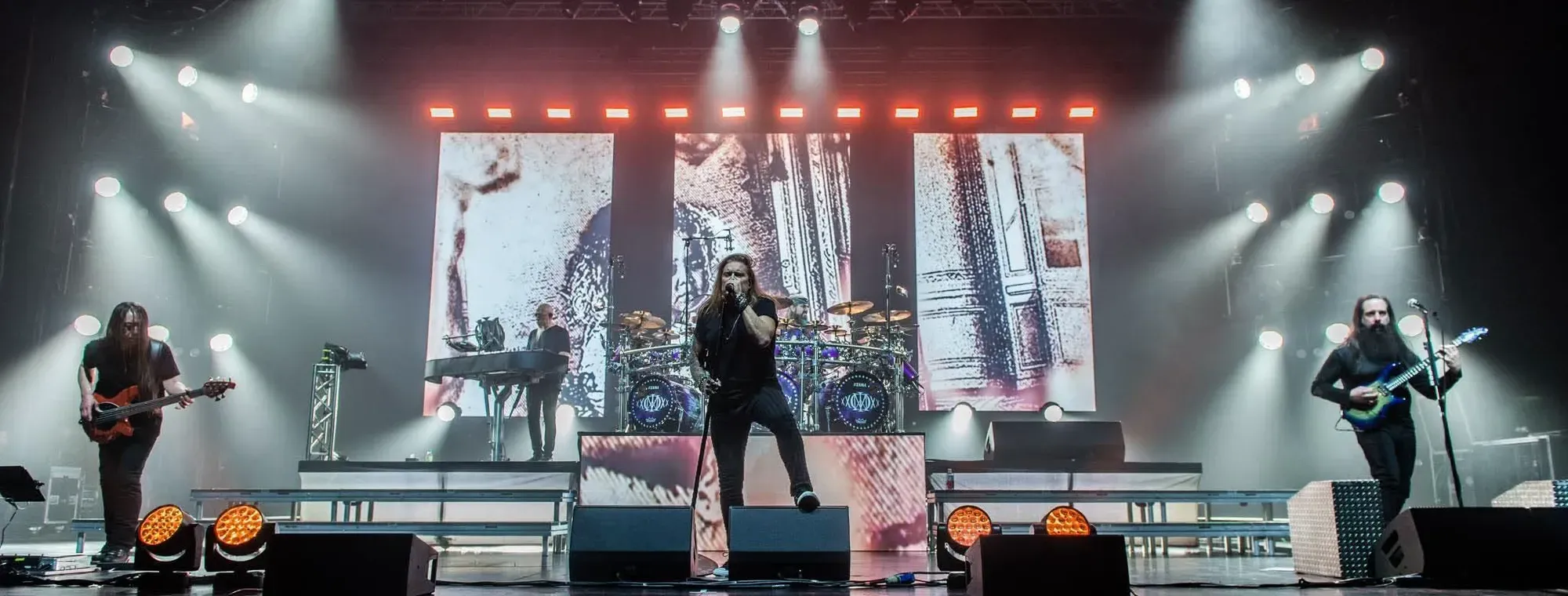
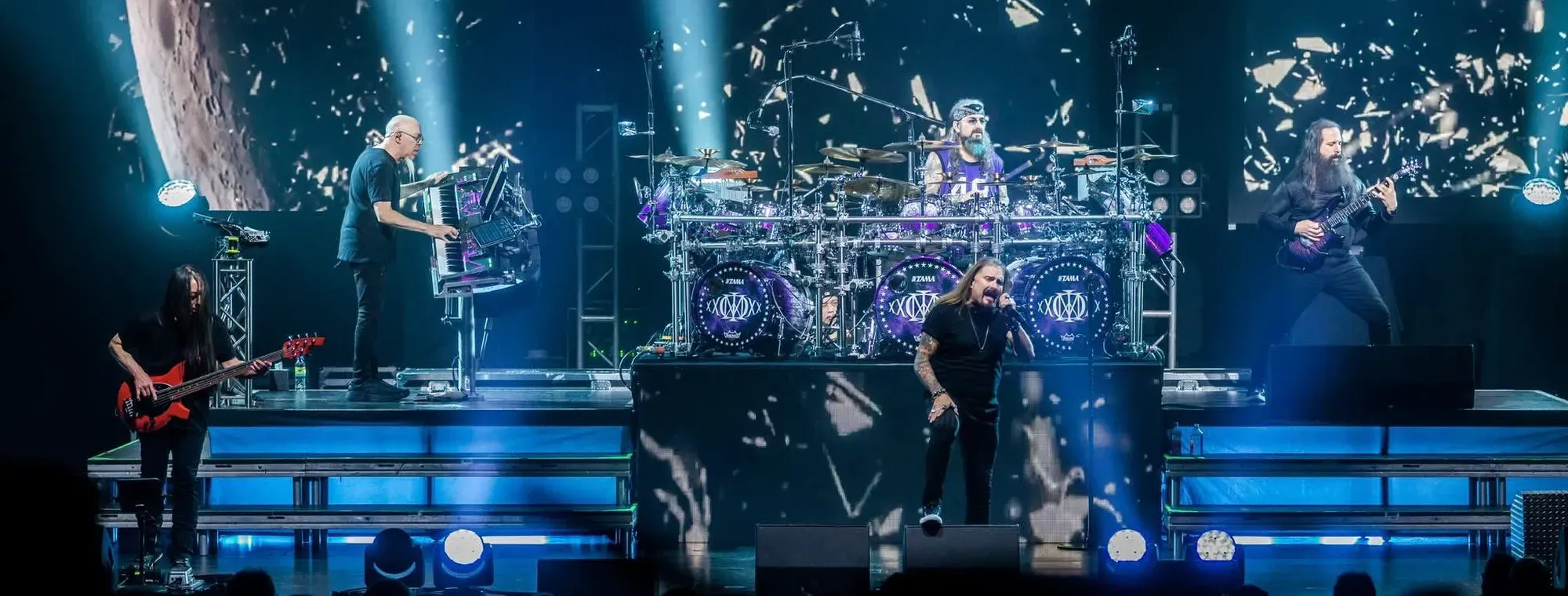
AP: Dude, it was one of the things I asked Petrucci when I got there, when we had time to chat. When I got to the room, Marco Minnemann was taking his cymbals, so then I was second to last and then there was Peter Wildoer, who was the last to audition. So it was funny that I asked him. “How did you get to me, because I’m a power metal drummer and stuff?” He said, “Man, when Angra opened for Dream Theater in Italy – those four shows – it had been many years since I’d seen Portnoy watching a drummer of an opening band and he stayed behind your drums for the whole show, all four days. So that got my attention.” And he said, “This guy has something special for Mike to stay there and for Mike to be there watching him.” And then I had the chance to tell Mike Portnoy this story when I played with Tony MacAlpine in January 2020, just before the pandemic, and Tony was opening for Mike Portnoy’s band, Sons of Apollo. I had the chance to tell him about it, and [Mike Portnoy] said, “Oh yeah, that’s exactly it – the way you play is an explosion of energy, technique, but it has a musicality that only Brazilians have.” So there’s this respect that foreign drummers have for Brazilian musicians. And that’s how [John Petrucci] told me, “So when Mike Portnoy left, we knew you were one of the guys who had to be here.”
And that audition opened a lot of doors for me, as I said; Tony called me and to play with Tony. For me to have a greater achievement in terms of importance of musical style than Tony, it’s only if I played with Iron Maiden, because he was the guy who shaped me and Iron Maiden was the band that made me play metal. So it was just a moment of ecstasy there. And then when I decided to move to the United States, it was Tony MacAlpine and his manager, Michael Masker, who were like, “You have to come here because you’re a ‘power house’ drummer, you’re at an international level, and a lot of times, bands might not want to hire you because you’re far away. You’re far away, you have to think about visas, so if you’re here, it might make things easier.”
And then when I went to see a lawyer, the guy Googled me and said, “It’s easy for you to go straight in with a green card, you’ve got an award for an instructional DVD, which won best of the year at Modern Drummer in the US, you’ve got an international award in Japan for a record of yours that’s been released, you’ve been in the rankings of several... back in Brazil you’ve been the champion for over 15 years [voted best drummer by Roadie Crew magazine], so we’re going to apply directly for a green card and there’s this audition for Dream Theater, which is an American band, so the immigration people will know your potential. When they see all this here, they’ll roll out the red carpet for you to live here.” And that’s exactly what it was. I think the main thing that this audition brought me was the worldwide visibility of a drummer who was more regional here in Brazil and, nowadays, when I look at it, it reflects a lot on my geographical territory as a drummer. Brazil is still number one, but the United States is already number two. And when I moved to the United States, I moved in July 2016, and then the test came up for me to do with WASP in December 2016, for a tour in September 2017. It was funny how it worked out.
I didn’t tell anyone I was moving; I simply packed up my things, sold everything and our life – mine, Patrícia’s, Juliana’s and Artur’s. Patrícia and I have been together for 33 years, Ju was 17 years old and Artur was seven to eight. We summed up our entire life in five suitcases, that’s what we were carrying; we sold the apartment, the cars, everything. We went so that we wouldn’t have the option of coming back, so it had to work out. When we got there, this thing about auditioning for WASP came up and I told the sponsors after I arrived, about 15 days later I said, “I’ve moved to the United States, I’m living in Los Angeles, I’m settled in, here’s my address in case you need to find me. I’m looking for a band, if you know of anyone who needs a [drummer].” Then one of these people, Gibraltar’s artistic liaison at the time, went to dinner with WASP’s guitarist and her husband, and the guy said “Look, we’re looking for a drummer there, if you know of anyone...” Then she automatically said, “Do you know Aquiles Priester?” “Aquiles Priester... that name is familiar.” “Yeah, he plays with Tony MacAlpine.” “If he plays with Tony MacAlpine, it’s because he’s good! Guitarist, right?” They looked at my videos and said, “The guy’s got a big drum kit. We don’t need such a big drum kit, but I think I’ll send his videos to Mike and Blackie.” They sent them and Mike, the bass player, called me; we had coffee. He asked me a few things about... American bands always talk about how you are with parties, drugs and alcohol, and since I’m a clean guy...
PV: There’s that concern, isn’t there?
AP: There is, because when you’re on the road, it’s the company that’s on the road, not the person. So he said, “Let’s do an audition,” and I said, “I’m going to Brazil now, but I’ll be back very soon and then we’ll do the audition.” While I was here, it was one of the first tours that Tripa [Aquiles’ roadie] was putting together. During the soundcheck, I started practicing the songs, recording them on a GoPro and sending them to [WASP], and then the guys saw that I was really into it. ‘The guy is in the middle of a tour, he’s writing the songs, he’s practicing, he’s recording, he’s sending them, so this guy really wants it.’ So I went for the test and it was really cool. They said, “Play the songs as you would, and now play the songs as they are.” So it was a four-song audition; after two weeks I went to lunch with Blackie again and he said, “How many percent of you were there in that room?” That’s a dangerous question, if you say, ‘It’s 100%’, he might say it to you...
PV: ‘It wasn’t enough.’
AP: It wasn’t enough, was it? Or, if you say it was much less, [Blackie] could say, ‘Why didn’t you prepare more?’ So two answers that are dangerous. I thought quickly and said, “Look, [that was] two weeks ago; today, I play the songs much better, because I kept practicing the songs”. He said, “Well then, let’s schedule another audition.” He wasn’t satisfied with that one, so we arranged another audition five days later. And then, when I had played half a song, he said, “OK, stop. Now let’s talk about the cool parts,” and that was that. It was practical. So, American bands, when you have the chance to work with them, especially these bands that have been in the business for a long time, you understand why they’re big. The way they see the business is much bigger.
PV: Impeccable, right? Maximum excellence like that.
AP: It’s very impeccable.
Original text
Paulo Victor: Aquiles, você já falou isso em várias entrevistas, mas queria saber de você é qual foi a sensação de receber o convite para participar da audição, do teste, com o Dream [Theater], uma das principais bandas de metal progressivo do mundo do mundo? Uma saída ali do Mike Portnoy, que também é um grande baterista, uma referência para todos nós.
Aquiles Priester: Que já voltou agora, né? [risos]
PV: É, que já voltou, já tá de volta! Então é uma parada muito legal lembrar do baterista, do Aquiles, de criança, adolescente, enfrentando todas aquelas dificuldades e a hora que o telefone tocou, você recebeu esse convite, qual foi essa sensação?
AP: Cara, foi uma das coisas que eu perguntei pro Petrucci quando eu cheguei lá, que a gente teve tempo de bater papo… quando eu cheguei na sala, o Marco Minnemann tava tirando os pratos dele, então depois eu era o penúltimo e depois ia ter o Peter Wildoer, que era o último a fazer a audição. Então foi engraçado assim que eu perguntei “como é que vocês chegaram até mim, porque eu sou um batera de power metal e tal?” Ele falou “cara, quando o Angra fez a abertura para os shows do Dream Theater lá na Itália – aqueles quatro shows – fazia muitos anos que eu não via o Portnoy vendo bateristas de banda de abertura e ele ficou o show inteiro atrás da tua batera, os quatro dias. Então aquilo ali já me chamou atenção” e falou “esse cara tem uma coisa especial pro Mike ficar lá e para o Mike ficar lá olhando o cara”. E aí eu tive a chance de essa história pro Mike Portnoy quando a gente fez, quando eu toquei com o Tony MacAlpine em janeiro de 2020, um pouquinho antes da pandemia e o Tony MacAlpine estava abrindo pra banda do Mike Portnoy, Sons of Apollo, aí eu tive a chance de contar isso para ele falar “ah, pois é, exatamente isso aí, o jeito que você tocava, o jeito que você toca é uma explosão de energia, técnica, mas tem uma musicalidade que só o brasileiro tem”. Então existe esse respeito dos bateras de fora pelo pelo músico brasileiro. E foi assim que ele me falou: “então a gente, quando o Mike Portnoy saiu, a gente sabia que você era um dos caras que tinha que estar aqui”.
E essa audição para mim abriu muitas portas, como eu falei, o Tony me chamou e tocar com o Tony assim, é... para eu ter uma realização maior de importância de estilo musical maior do que o Tony, só se eu tocasse com o Iron Maiden, porque ele foi o cara que me moldou e o Iron Maiden foi a banda que me fez tocar metal. Então foi simplesmente tipo momento de êxtase ali. E aí, cara, quando eu decidi me mudar para os Estados Unidos, foi inclusive o Tony MacAlpine e o empresário dele, Michael Masker, que uma maior pilha, “você tem que vir para cá porque você é um batera ‘power house’, você é de nível internacional e muitas vezes, as bandas podem querer não te contratar porque você tá longe. Você tá longe, tem que pensar em visto, então você estando aqui, pode ser que isto facilite as coisas”.
E aí quando eu fui procurar um advogado, o cara deu um Google e falou “tá fácil para você entrar direto com o green card, você tem prêmio de DVD instrucional, que ganhou como o melhor do ano na Modern Drummer americana, você tem prêmio internacional lá no Japão de disco teu que foi lançado, você ficou nos rankings de vários... lá no Brasil você é o campeão há mais de 15 anos (*eleito melhor baterista pela revista Roadie Crew), então vamos aplicar direto pro green card e tem essa audição para o Dream Theater, que é uma banda americana, então a galera da imigração vai saber o teu potencial. Quando eles virem isso aqui tudo, eles vão estender o tapete vermelho para que você viva aqui”. E aí foi exatamente isso. Eu acho que o principal que essa audição me trouxe foi a visibilidade mundial de um batera que era mais regional aqui no Brasil, e hoje em dia, eu olhando, reflete muito no meu território geográfico como batera. O Brasil continua sendo o número um, mas os Estados Unidos já [são] o número dois. E aí. quando eu me mudei para os Estados Unidos, eu me mudei em julho de 2016, e aí apareceu o teste para eu fazer com o WASP em dezembro de 2016, para uma tour de setembro de 2017. Chegou a ser engraçado como é que rolou isso.
Eu não falei para ninguém que eu tava me mudando, simplesmente empacotei as coisas, vendi tudo e a nossa história, minha, da Patrícia, da Juliana e do Artur – eu e a Patrícia a gente tá junto há 33 anos, a Ju tinha 17 anos e Artur tinha sete para oito. A gente resumiu nossa história toda em cinco malas, era o que a gente estava levando, a gente vendeu o apartamento, os carros, tudo. A gente foi para não ter a opção de voltar, então tinha que dar certo. Quando a gente chegou lá, apareceu esse negócio da audição pro WASP e eu avisei os patrocinadores depois que eu cheguei, uns 15 dias depois falei: “me mudei para os Estados Unidos, estou morando em Los Angeles, estou instalado, tá aqui meu endereço para caso vocês precisem me achar, eu tô procurando banda, se souberem de alguém que precisa de banda, tal...”. Aí uma dessas pessoas, a relações artísticas da Gibraltar na época, foi jantar com o guitarrista do WASP e com o marido dela e aí o cara falou “olha, a gente tá procurando um baterista aí, se vocês souberem de alguém...’ aí ela (*no) automático falou assim: “você conhece o Aquiles Priester?” – “Aquiles Priester... o nome não é estranho” – “é, ele toca com Tony MacAlpine” – “se ele toca com Tony MacAlpine é porque ele é bom! Guitarrista, né?” Eles olharam os meus vídeos e tal e falaram assim “o cara tem uma batera grande, a gente não precisa de uma batera tão grande assim, mas eu acho que eu vou mandar os vídeos dele lá para o Mike e para o Blackie.” E aí eles mandaram e o Mike baixista me ligou, a gente tomou um café. me perguntou algumas coisas sobre… as bandas americanas sempre eles falam como é que é você com festas, drogas e álcool, e como eu sou um cara limpo...
PV: Tem essa preocupação ali, né?
AP: Tem, porque, quando você tá na estrada, é a empresa que tá na estrada, não é a pessoa, então, ele falou “vamos fazer uma audição”, aí eu falei “eu estou indo para o Brasil agora, mas eu vou voltar muito em breve e aí a gente faz a audição”. Conforme eu estava aqui, foi uma das primeiras tours que o Tripa [roadie] do Aquiles] tava fazendo junto na audição. Na passagem de som, eu comecei a praticar as músicas dele, gravava em GoPro e mandava lá para eles, aí, os caras viram que eu tava muito afim. O cara está no meio de uma turnê, está tirando as músicas, está praticando, está gravando, está mandando, então, esse cara realmente quer. Aí eu fui fiz o teste e foi legal para caralho e tal. Tipo eles falaram assim “toca as músicas como você tocaria e agora toca as músicas como elas são.” Então foi uma audição de quatro músicas, depois de duas semanas eu fui almoçar com Blackie novamente e aí ele falou “quantos por cento de você estava lá dentro daquela sala?” Essa é uma pergunta perigosa, se você falar que é 100%, ele pode te falar assim...
PV: Não foi o bastante.
AP: Não foi o bastante, né? Ou então, se você falar que foi muito menos, você [Blackie] pode falar então por que é que você não se preparou mais? Então duas respostas que são perigosas. Pensei rapidamente e falei “olha, há duas semanas atrás, hoje, eu toco as músicas muito melhor, porque eu continuei praticando as músicas”. Ele falou “então beleza, vamos marcar uma outra audição”. E ele não estava satisfeito com aquela, a gente marcou mais uma audição, cinco dias depois. E aí, quando eu toquei meia música e falou “tá bom, pára, que agora vamos com conversar sobre as partes legais” e aí foi assim. Foi na prática. Então, assim, as bandas americanas, quando você tem a chance de trabalhar com elas, especialmente essas bandas que estão no mercado há muito tempo, você entende por que eles são grandes. A forma como eles veem o negócio é muito maior.
PV: Impecável, né? Parada excelência máxima assim.
AP: É muito impecável.