

Originally published in Metal.de · April 2021
Liquid Tension Experiment (LTE) – Interview with Tony Levin
InterviewTranslated41 min read
Translated from the original language with DeepL, so the wording may differ from what was actually said.
Alexander Santel
30.04.2021
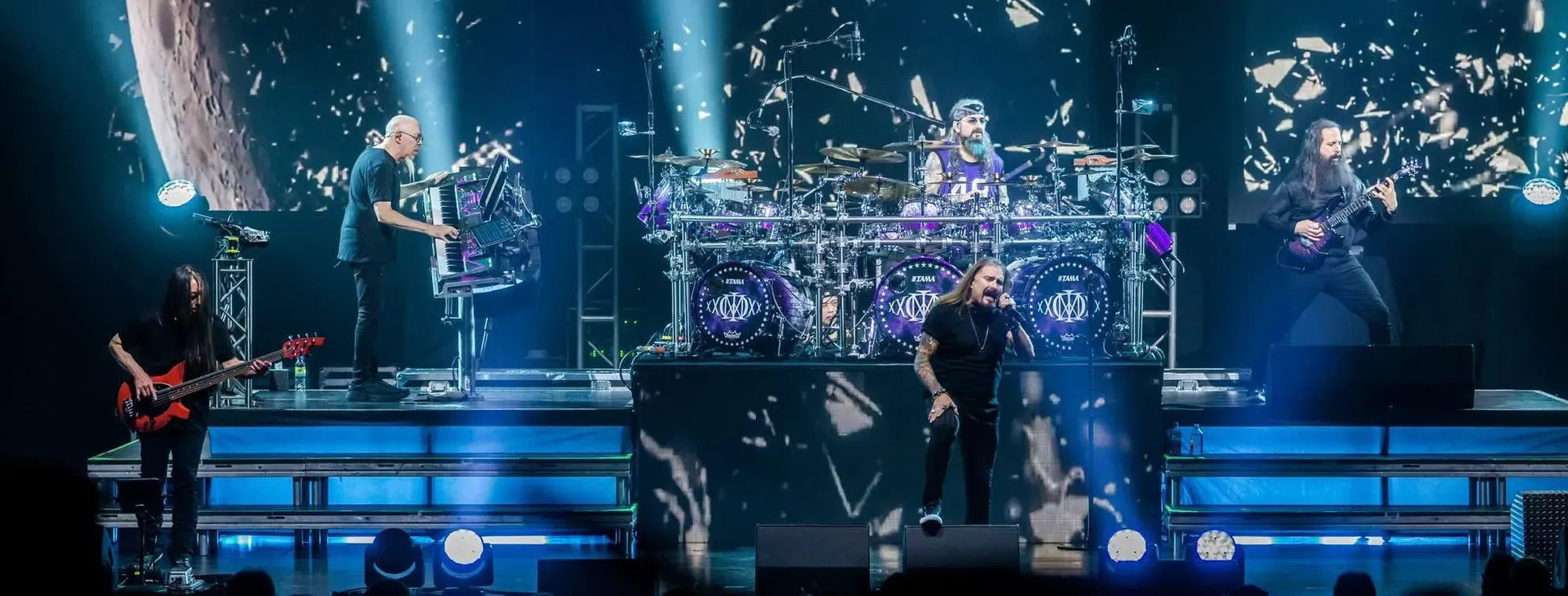
The Liquid Tension Experiment members seem to be experiencing something like a second spring these days. Not only do Mike Portnoy, Mike Patton and co. have solo projects or help out somewhere else, but when the time and the opportunity arises, the supergroup also just drops in “LTE3”, a follow-up to a project that dates back more than 20 years. Even if LTE is mainly Portnoy’s baby, you don’t get a legend like Tony Levin in front of your virtual lens every day. And so the focus of the interview is not only exclusively on Liquid Tension Experiment, but also gives insight into Levin’s personal musical career. Why did he start practicing again in his old age, what is an EUB, how does the composition process work and much more. Enjoy!
metal.de: First of all, hello and greetings from sunny Germany! How’s it going? How was it to continue with Liquid Tension Experiment again after the last output was more than 20 years ago?
Tony Levin: Thanks, I’m doing great! We’re also having great weather here in New York, as you can see [TL pans the webcam to show the sun’s rays streaming in from outside – editor’s note]. First of all, we still toured in 2008. So yeah, it’s been over 20 years since the studio album, but only about 13 years since we toured with it. And we’ve also seen each other in the meantime and played together in different constellations. So it wasn’t kind of weird, personally or musically. We’re all good friends. But it was a great idea to use the lockdown year during COVID to go into the studio. I think Jordan [Rudess, Dream Theater keyboardist – editor’s note] had the idea and then it was just logistical. So finding a date, getting into the studio and so on.
I say that because some bands can only write together and in person. I can also write and record together at a distance. I’ve done that with many other bands, but for this one it doesn’t work. We just have to be together, there’s no other way. To some extent it’s a parallel process, we write and record at the same time. We have an idea, work it out if necessary, record it and bang – you have a piece. The process is extraordinarily fast with this band, so we definitely needed to be in the studio together for a long time. We were able to do just that last July, and we’re very happy with the result.
As you said, this is a very different recording process than what usually happens today: being together, being able to play, recording as a band. Usually today everybody records their parts separately, sends them over, you mix them and that’s it. But for Liquid Tension Experiment, that experience, that being together is still a necessary part?
Yes, typically. After we get everything set up, we jam around a little bit. John might come in with a cool riff and Jordan learns it right away – he’s a very fast learner, me not so much. Then he comes in with a part he thinks is appropriate, we record, and before you know it, the song is written. Usually we do it longer at a stretch, a couple of minutes, without any solo parts or anything. Then I come around the corner with a bass riff and before you know it – if it was a good day – the song is 10-12 minutes long and it’s at night, but you’ve recorded a complete song that stands. Later on you might have to make up parts, take them out, adjust a solo or something, but the basic framework is there. It’s a very fast process and it wouldn’t be the same if we all sent files to each other.
Now if Jordan had a piano idea and sent it to us, it might only be a minute long and sit around for a while before doing more with it. It’s not only a good way to expand the music quickly, but also to incorporate our personality in the moment and what we’re thinking. It’s not a single-source composition; there’s a little bit of each of us in it. Usually in other bands you have one main songwriter, the other members may contribute and change things, but here the four of us are involved in equal proportions and I think you can hear that.
Since the beginning of Liquid Tension Experiment you’ve had these duets where two instruments or musicians have the spotlight. On the new album I was very surprised that the new edition of drums and bass, namely “Chris & Kevin’s Amazing Odyssey”, sounds very rough, dismissive, almost noisy, which one would not actually expect from the band. But also the first single “Hypersonic” was very fast and aggressive for your standards. I mean, excuse me, but you all are not the youngest anymore. Was that a little bit the intention, to show the young savages that the old guys still have two or three tricks in their vest pocket?
[laughs] No, at least that wasn’t my intention. You already mentioned it, maybe I’m not as fast as the young guys anymore, but I don’t have anything to prove to anyone or anything. We just make the music we make, the same music we made twenty years ago. The other people in the band came around the corner with, “Let’s play faster and crazier!” They love that and I just go with it. I like the approach, but usually it doesn’t come from me. But we don’t play faster now to impress anyone, but to be able to express certain ideas musically better.
Who had the idea for a cover of “Rhapsody In Blue”? I know you have already performed it live, but how did it end up on the album? Why did you choose this song?
I want to preface this by saying that I was very happy about it, because I really liked our interpretation of the song that we played on tour in 2008. We only had it on the program for six shows and that was it. Sometimes when music is recorded it has a life, but has to convince in the live situation. But I was very happy with the decision to include this song on the album. The decision to play it came from Mike Portnoy just a few weeks before the 2008 tour, and the decision to record it for the new album also came from him, we had the arrangement, we just had to play it again and record it. I’m a big fan of George Gershwin and the piece, but for a classical piece, “Rhapsody In Blue” goes a lot of unusual ways, it serves a lot of different spectrums and feelings that are evoked.
And that’s kind of the same with Liquid Tension Experiment, we’re constantly in flux, moving in many different directions and conveying different moods. So I was happy to have this track, to take it and take it in directions with Liquid Tension Experiment that it would never have gotten otherwise and I was very happy to be able to do that on the new album. And I should also note: I thought at the time, when Portnoy came up with it two to three weeks before the tour, that it was already going to be hard for me to learn the piece in that short amount of time, but for Jordan Rudess, who has a lot more parts, and to still somehow rewrite that for Liquid Tension Experiment, it was significantly more work. And that’s a great example of how we function as a band and how much work we put into what we do.
Think of all the hours that went into practicing “Rhapsody In Blue” for a full six performances, which normally would not be worth it. It inspires me because these guys are hard workers and I’m not usually like that, at least not in the other projects I’ve been involved in. But here Mike, John and Jordan inspire me to push my limits as well and do even more. I take inspiration from all the people I play with in different ways, but here it was mostly the willingness to put in a lot of work, even for just a little, like I did on this piece.
That’s almost a little hard to believe, because you’ve played with so many great artists in your musical career, and of course you’re a fantastic artist and musician yourself. During your long career, what has perhaps been the most enriching, but also the most instructive moment as a musician?
[laughs] That’s an excellent question. I can’t explain it, I just am the way I am. I’m not good at categorizing or cataloging myself in any way. “What was your best concert experience?”, “What was the best band you played with?” and so on, that’s not me, that’s not how I think. But I’ll try to answer your question anyway, more or less. It’s a little bit bizarre. For people who are not musicians themselves, it might be hard to understand, but every concert that is good is the top experience for us musicians, that’s just how we tick, that’s what we were born for. All this training, all these many hours we spend practicing, are just to deliver a good show at the end of the day.
And it doesn’t matter if it’s in a club for 200 people or at Woodstock with Peter Gabriel in front of half a million people. There’s no qualitative difference for me, but I’m sure the other guys in the band feel the same way. We live to do just that and when it’s right – I’m not saying every show is always right or great – we share something with the audience that’s hard to put into words. But anyone who has been to a good concert themselves knows exactly what I mean. To put it another way: If you ask concertgoers what maybe their five magical festival moments are, they’ll certainly be able to tell you, and of course the same goes for us artists on stage. But it’s hard to single out concerts, because just put yourself in our shoes, musicians who make a living out of this and have this concert experience every night.
It’s not always cherry-picked, sometimes you screw it up yourself, the venue is run down, the sound sucks, you’re tired or whatever. It just can’t be every show good, but I’m still fascinated and inspired by the experience of being able to share great music with other great musicians and of course the audience.
And that doesn’t get stale at any point? I mean, you’ve been doing this for such a long time now and you want to tell me that it’s such an experience over and over again?
Absolutely! If it got stale, it would be very hard to sustain that over such a long time. It would be a job that no musician would want to have. For me it’s often down to the song... I mean there are bands that have the same setlist every night, others don’t, for example with Stickmen we always have the same setlist, with King Crimson we had a different one every night. But if I ever have a song in between that I’m not overly excited about, I take that as a challenge. It’s my responsibility as a player to make that track more appealing and better for me, to find ways to make it palatable to me, to stimulate me and challenge me.
Maybe there’s a way to play it better or make it more accessible to me. So when that comes to mind, when a piece becomes bland to me, I try to anticipate that and adjust to it mentally as well as musically. I have to make the piece as important to me as they are. I wish I could say that I always succeed, but of course I don’t. What stays the same is the challenge, and if you approach that challenge, it keeps shows from becoming too bland. The attitude to playing is a constant challenge and that keeps it fresher than if you approach every show with a “this is boring and will be a walk in the park” attitude.
That’s very interesting. If you want to be a full-time band today, being on tour constantly is part of it because it’s the financial foundation. And I can very well imagine that in this situation you quickly get used to it, it feels more like a job than a calling. Funnily enough, Billy Howerdel of A Perfect Circle once told me exactly the same thing: to challenge yourself live with the tracks in new ways, to give yourself a new purpose, a challenge, and thus keep the live experience fresh. So this attitude seems to be reflected in many artists.
Definitely. What’s special about us is that a lot of it is live improvisation, and a lot of the recording of this album was improvised as well. And that’s something that all four of us in Liquid Tension Experiment like to do, so we definitely bring that into our live sets. There are of course pieces where we play note-for-note what we composed, except for the solos of course, but also others where we just completely improvise. A good example is the piece “Chris & Kevin’s Amazing Odyssey,” which Mike and I have on the album together.
Every night when we were done recording for the day, we would jam together a little bit for fun and kind of let the tape run with it. Sometimes just the two of us, Jordan and John might have been doing something else at the time. And while jamming, Mike played a part where I think of the big electric upright bass. See this one in the background [pointing to the background of his studio to the big EUB – editor’s note]? That’s not actually a bass guitar that you normally play with bands like Liquid Tension Experiment, but I had the EUB with me anyway, just in case.
A pattern Mike was playing made me think of something and I just tried around on the EUB. I also had a bow with me and just tried around with it and Mike in turn responded to it. I don’t want to say that this is now our best piece ever or anything, but you have to be grateful to share a band with musicians where everybody is so good that they can just respond to stuff like that and push pieces in completely new directions. And we’re happy with that, we let ourselves drift like that. That’s a big part of what Liquid Tension Experiment is.
Just out of interest, did the recordings end up with that on the album as well, so with the bass exactly?
You mean the bass? Yeah, it’s this one [pointing to the back], it’s an NS Electric Upright Bass. It is what it is. You might even pivot it a little bit and angle it, but you wouldn’t play it horizontally. It’s played more like a double bass. I’ve played it a lot with Peter Gabriel and a little bit with King Crimson, but just because it sounds and plays like a double bass, it’s not usually something I take out for speed metal or now for Liquid Tension Experiment. I logically can’t play as fast on it, the sound isn’t distorted, it’s fuller and so on. But you can still have a lot of fun with it. With Liquid Tension Experiment I still always bring all my different basses, normal bass, the NS EUB and also the Chapman Stick. It’s a little bit like having all the tools you need for a home project or something at hand. Whether you use them then is the other question, but it’s always good to have them all on hand. And as the pieces develop, you can hear which instrument is needed. Not only related to the bass, but also to the effects and pedals that help you express yourself as musically as you want.
Do you still practice these days or not at all? Or is it more about the creative process? Because practicing scales or rudiments up and down can also get stale quickly, right? But also keeping up physically at that age surely becomes more difficult as well. Are there any practice routines or do you just play what you play?
Good question and the answer is not easy [laughs]. If you would have asked me a year ago, my answer would have been: ‘No, I don’t practice’. At that time I was on tour, we were on tour for ten months in total and that doesn’t just include sitting in the van or soundcheck, concert and so on. So you’re already holding the bass for six, seven hours, so I’m not going to hold it in the hotel as well [laughs]. And I didn’t feel like I needed it either. That brings us to now, April 2021. I’m at home right now, of course, but I still have session work, record for people, maybe you can see my home studio setup [points behind him again]. So I’m busy all the time. But after about a month in lockdown, I’ve noticed that my technique is suffering a bit.
It’s not like I have to play fast all the time or be able to play certain difficult things – Liquid Tension Experiment are a bit of an exception to that rule – but it didn’t feel right or good. So I started practicing more again. Of course I had more time now during the lockdown and I was looking around on the net more often and listening to music and there are a lot of fantastic new young bass players out there who are very inspiring! They play very technically challenging stuff that I can’t play. Together with my rusty technique, this made me start practicing again. I’m now practicing a lot again, like I did at the beginning of my career, a few hours a day if I can get away with it. I wish I practiced even more, but for the past few months I've definitely been on the trip to practice more again. Yeah, I was very happy with my technique and played enough to not really need to practice, but now in lockdown I don’t play enough and I’m not happy with my technique anymore [laughs].
How do you motivate yourself to play in lockdown? With rehearsing together and band mates you can motivate each other, but that has become difficult now.
Yeah, you’re right, in lockdown we’re all a little worse for wear right now. I think the whole planet is struggling with this low mood right now. We’ve all had a difficult year and we’re all meeting it in different ways. Sometimes you can learn well from the coping strategies of others. For me personally, as you can see in the background, it’s bearable, I have my own studio to play in and I have a lot of requests from people to record bass tracks for. I’ve also given myself a task in the form of a photo book where I choose, curate the best of all the photos I’ve taken on tour throughout my career and last June I launched that. That ate up a lot of hours for about half a year. So in other words, I gave myself a big task that I could do without help, but still be creative. The photo book is now out and available for purchase and I am very pleased with the result.
Psychologically it was nevertheless a hard year and I think people underestimated the psychological effects of this lockdown. Without any deadline, without planning, without new shows coming up, it’s hard to motivate yourself. But I’m trying different things to cope with it anyway. I think it’s important not to blame yourself too much. Yes, maybe I could have done three more studio albums and two more books during that time, but I just didn’t do it. Maybe we all could have and should have, because it would have been the best way to use the time, but we didn’t. And that’s okay, too. The book has been out since January and I was surprised at how great the response was. There was more demand than inventory and already there is now the 2nd edition.
It’s been a great experience. I wouldn’t say I’m a particularly good photographer, but during the tours since the 1970s there have been many, certainly tens of thousands of images that have come through, and of course they weren’t all digitized either, but may still have been on film, videotape or whatever. When I started, there were still black-and-white negatives, now of course everything is digital and to collect, compile and select all that was a difficult task. And you have to put it all in a good form, tell a story with the pictures so that the book will be good to read, choose the appropriate photos. So yes, this was a great, very fun, but also exhausting personal project. And as with any project, it’s like you’re looking forward to it being published, then it’s out and you’ve forgotten about it after two days because you’re moving on to new tasks [laughs]. The thing is out, life goes on and you dedicate yourself to new tasks.
With Liquid Tension I never had the time to pick up the camera myself, but with my other band activities I pick up the camera or set up a tripod on the side of the stage and take photos. With Peter Gabriel, I actually sometimes played bass with just one hand and operated the camera with the other. For example, I captured the origins of what is now known as crowd surfing: when Peter would slide into the audience in the 1980s, I took shots of that. Often it was just luck to have been there at such moments with my camera, and that’s what made me want to share those moments with the world with this book of photographs.
I recently noticed that there is a deluxe edition of the album with four more tracks. Can you tell us more about that?
Good question, I am just the person who has no idea about these tracks. I just got this new edition of our album myself recently. It looks fantastic and I can’t remember all the song names anyway. So I’m afraid I can’t tell you which additional jam tracks made it on there and what they’re called and so on.
How many tracks did you guys record in total? More than the eight regular tracks, anyway.
Yeah, but I can’t tell you exactly how many in total, or which recordings made it to a track. We jammed together every night and the other guys, especially Mike Portnoy, listened to everything and then arranged it into pieces, I don’t have the attention span and honestly didn’t pay much attention to it. I wait until the album is out and then listen to what made it onto the album [laughs]. Because that’s important for later when we tour again. I need to know what’s going to be played. Because at the end of the day, the finished songs come from, hmm, I would guess maybe five to ten hours of raw material that we recorded. We should have a press release explaining that; maybe there is, I just didn’t catch it. So I can’t help with that unfortunately. Probably all jam sessions that didn’t make it onto the regular album.
How was it to make music together again after more than 20 years?
We didn’t record anything with Liquid Tension Experiment for more than 20 years, but we still saw each other in the meantime and also made music together in different constellations. That’s why it wasn’t a big surprise or news, but from the first minute in the studio it just felt like it did 20 years ago. The energy was the same, the vibe between us and also the way of working was exactly the same. That was maybe the surprise of the whole situation, a good one at that, not so much the new music. There was a little bit of business discussion, but it was over in ten minutes, then we played together and had a great time. I made espresso for everyone, just like I did 20 years ago [laughs].
Is there anything else, whether it’s musical or personal, that’s still out there for you as a challenge? Are there maybe even things that you struggle with in a musical way?
I wouldn’t use the word struggle. I don’t think I struggle with anything musically, but I do feel challenged in many ways musically. To be a better player, a better musician, to have more output, preferably very significant output. In a good way though, not in a way that stresses me out. In some ways, I feel the same way I did when I was fourteen. I love playing bass, making music, preferably with other people and trying to become a better player. That’s how I felt at that age and that’s how I feel now. I don’t feel like I’ve arrived or like I’ve left anything behind in a learning process, I’m still in that process and feel like I did when I was 14. When a piece is finished being written or live a show was particularly good, of course I’m proud of that. But the next thought that comes to me is, “How could I have played this better? What parts about my playing can I do differently or more effectively?”
It’s a constant challenge and it’s worked very well for me throughout my life. I’m not saying that everyone should live or practice that way, but it has worked well for me. I had the opportunity and the good fortune to be able to play with musicians who were much better than me during my early career. With good teammates, you grow personally from the experience. The drummer may bring a certain vibe, a certain joy with his playing that transfers to the others. The guitarist works hard and infects the rest of the group with that, making you wonder if you shouldn’t practice more and so on. And that rubs off on you. And in that way, you can actually learn from all good artists. Even if it’s just how to have a better personality on stage. You might not have to copy that, but that’s how I might learn from a good frontman, even if I’m a bass player in the background, how to be a better frontman just by being there.
With that in mind, what would be your advice to young musicians or maybe musicians just starting out?
I don’t really have any advice because I’ve had a lot of lucky coincidences and opportunities that have shaped my career and I don’t think you can replicate that very well, but I will say something about playing with other musicians. You should play with other musicians as much and as often as possible, especially if they are better than you, and then not be intimidated, but be inspired by it to work all the harder on yourself. Because that’s the only way we can learn and grow and become better musicians in the end. Very few of us just have talent, so we got our hands on an instrument and were perfect right away. At least no one I know is like that. Some may be able to, but very few musicians. Most of us learn by practicing, but also sharing with other musicians who are better than us. I would love to go into this further, but I have the next interview coming up, take care!
Tony, thank you so much for your time, it was an honor!
Original text
Liquid Tension Experiment (LTE) – Interview mit Tony Levin
Alexander Santel
30.04.2021
Die Liquid Tension Experiment-Mitglieder scheinen dieser Tage so etwas wie einen zweiten Frühling zu erleben. Nicht nur haben Mike Portnoy, Mike Patton und Co. Soloprojekte oder helfen irgendwo anders aus, bei Zeit und Gelegenheit trümmert die Supergroup auch mal eben mit „LTE3“ einen Nachfolger zu einem über 20 Jahre zurückliegendem Projekt ein. Auch wenn LTE hauptsächlich Portnoys Baby ist, eine Legende wie Tony Levin bekommt man nicht alle Tage vor die virtuelle Linse. Und so liegt der Fokus beim Interview auch nicht nur exklusiv auf Liquid Tension Experiment, sondern gibt auch Einblick in Levins persönliche musikalische Karriere. Warum hat er in seinem hohen Alter wieder angefangen zu üben, was ist ein EUB, wie funktioniert der Kompositionsprozess und vieles mehr. Viel Spaß!
metal.de: Zunächst einmal: Hallo und Grüße aus dem sonnigen Deutschland! Wie geht’s? Wie war es, mit Liquid Tension Experiment wieder weiter zu machen, nachdem der letzte Output schon über 20 Jahre her ist?
Tony Levin: Danke, mir geht’s gut! Wir haben hier auch tolles Wetter in New York, wie du sehen kannst (TL schwenkt die Webcam und zeigt die von außen einfallenden Sonnenstrahlen – Anm. d. Redaktion). Zunächst einmal, wir sind ja noch 2008 getourt. Also ja, seit dem Studioalbum sind über 20 Jahre vergangen, aber nur etwa 13 Jahre, seitdem wir damit auf Tour waren. Und wir haben uns auch in der Zwischenzeit gesehen und in verschiedenen Konstellationen gemeinsam gespielt. Also es war nicht irgendwie komisch, weder in persönlicher noch musikalischer Hinsicht. Wir sind alle gut befreundet. Aber es war eine tolle Idee, das Lockdown-Jahr während Corona zu nutzen und ins Studio zu gehen. Ich glaube, Jordan (Rudess, Keyboarder von Dream Theater, Anm. d. Redaktion) hatte die Idee und dann war es nur noch logistische Frage. Also einen Termin finden, ins Studio kommen und so weiter.
Ich sage das, da manche Bands nur gemeinsam und persönlich schreiben können. Ich kann auch über Distanz zusammen schreiben und aufnehmen. Das habe ich mit vielen anderen Bands gemacht, aber für diese geht es nicht. Wir müssen einfach zusammen sein, anders geht es nicht. In gewissem Maße ist es ein paralleler Prozess, wir schreiben und nehmen gleichzeitig auf. Wir haben eine Idee, arbeiten sie aus, falls nötig, nehmen sie auf und zack – hat man ein Stück. Der Prozess ist mit dieser Band außerordentlich schnell, also mussten wir definitiv für eine lange Zeit zusammen im Studio sein. Genau das konnten wir vergangenen Juli tun und wir sind sehr zufrieden mit dem Ergebnis.
Wie du schon sagtest, das ist ein sehr anderer Recordingprozess als er heute für gewöhnlich stattfindet: zusammen zu sein, spielen zu können, als Band aufzunehmen. Normalerweise nimmt heute jeder getrennt seine Parts auf, sendet sie herüber, man mixt sie und das war es. Aber für Liquid Tension Experiment ist diese Erfahrung, dieses Zusammensein immer noch notwendiger Bestandteil?
Ja, typischerweise. Nachdem wir alles eingerichtet haben, jammen wir ein wenig herum. John kommt vielleicht mit einem coolen Riff und Jordan lernt es sofort – er ist ein sehr schneller Lerner, ich eher weniger. Dann kommt er mit einem Part dazu, den er für passend hält, wir recorden und ehe du dich versiehst, steht der Song. Normalerweise machen wir das länger am Stück, ein paar Minuten, ohne irgendwelche Solo-Parts oder so. Dann komme ich mit einem Bass-Riff um die Ecke und ehe du dich versiehst – wenn es ein guter Tag war – ist das Stück 10-12 Minuten lang und es ist nachts, aber du hast einen kompletten Song aufgenommen, der steht. Später müssen vielleicht noch Parts nachgemacht, rausgenommen werden, ein Solo wird angepasst oder so, aber das Grundgerüst steht. Es ist ein sehr schneller Prozess und der wäre nicht derselbe, wenn wir uns alle gegenseitig Dateien schicken würden.
Wenn Jordan nun eine Piano-Idee hätte und uns die schicken würde, wäre die vielleicht nur eine Minute lang und würde erst einmal ein Weilchen rumsitzen, ehe mehr damit gemacht wird. Es ist nicht nur ein guter Weg, die Musik schnell zu erweitern, sondern auch unsere Persönlichkeit in dem Moment und das, was wir denken, einfließen zu lassen. Es ist keine Komposition aus einer Hand, sondern es steckt etwas von jedem von uns drin. Normalerweise hat man einen Hauptsongwriter in anderen Bands, die anderen Mitglieder können sich vielleicht einbringen und Dinge ändern, aber hier sind wir Vier zu gleichen Anteilen beteiligt und ich finde, das kann man hören.
Ihr habt bei Liquid Tension Experiment schon seit Anbeginn diese Duette, in denen jeweils zwei Instrumente beziehungsweise Musiker das Spotlight haben. Auf dem neuen Album hat mich sehr überrascht, dass die neue Ausgabe von Drums und Bass, nämlich „Chris & Kevin’s Amazing Odyssey“, sehr rau, abweisend, beinahe schon noisig klingt, was man so von der Band eigentlich nicht erwarten würde. Aber auch die erste Single „Hypersonic“ war für eure Verhältnisse sehr schnell und aggressiv. Ich mein, Verzeihung, aber ihr seid alle nicht mehr die Jüngsten. War das so ein wenig die Intention, den jungen Wilden zu zeigen, dass die alten Herren auch noch zwei bis drei Tricks in ihrer Westentasche haben?
(lacht) Nein, das war zumindest nicht meine Intention. Du hast es ja schon angesprochen, ich bin vielleicht nicht mehr so schnell wie die jungen Leute, aber ich habe auch niemandem mehr etwas zu beweisen oder so. Wir machen halt die Musik, die wir machen, dieselbe, die wir auch schon vor zwanzig Jahren gemacht haben. Die anderen Leute in der Band kamen damit um die Ecke: „Lasst uns schneller und verrückter spielen!“ Die lieben das und ich lass mich einfach mitziehen. Ich mag den Ansatz, aber normalerweise kommt der nicht von mir. Aber wir spielen nun nicht schneller um irgendjemanden zu beeindrucken, sondern um gewisse Ideen musikalisch besser ausdrücken zu können.
Wer hatte die Idee zu einem Cover von „Rhapsody In Blue“? Ich weiß, dass ihr das Stück live bereits schon aufgeführt habt, aber wie ist es letzten Endes auf dem Album gelandet? Warum habt ihr diesen Song gewählt?
Ich möchte vorausschicken, dass ich darüber sehr glücklich war, denn ich hab unsere Interpretation von dem Song, den wir 2008 auf Tour gespielt haben, sehr gemocht. Wir hatten es nur für sechs Shows im Programm und das war es. Manchmal, wenn Musik aufgenommen wird, hat sie ein Leben, aber muss sie in der Livesituation überzeugen. Aber ich war sehr froh über die Entscheidung, diesen Song mit aufs Album zu nehmen. Die Entscheidung, das Stück zu spielen, kam von Mike Portnoy nur ein paar Wochen vor der Tour 2008. Die Entscheidung, es für das neue Album aufzunehmen, kam auch von ihm, wir hatten das Arrangement, wir mussten es nur erneut spielen und aufnehmen. Ich bin ein großer Fan von George Gershwin und dem Stück, aber für ein klassisches Stück geht „Rhapsody In Blue“ viele ungewöhnliche Wege, es bedient viele verschiedene Spektren und Gefühle, die evoziert werden.
Und das ist bei Liquid Tension Experiment irgendwie das Gleiche, wir sind ständig im Fluß, bewegen uns in viele verschiedene Richtungen und transportieren unterschiedliche Stimmungen. Deshalb war ich froh, dieses Stück zu haben, es zu nehmen und in Richtungen mit Liquid Tension Experiment zu führen, die es sonst nie bekommen hätte und ich war sehr froh, das auf dem neuen Album machen zu können. Und ich muss noch anmerken: Ich dachte damals, als Portnoy zwei bis drei Wochen vor der Tour damit ankam, dass es für mich schon schwer wird, in der kurzen Zeit das Stück zu lernen, aber für Jordan Rudess, der ja wesentlich mehr Parts hat und das noch irgendwie auf Liquid Tension Experiment umzumünzen, war es noch bedeutend mehr Arbeit. Und das ist ein schönes Beispiel dafür, wie wir als Band funktionieren und wie viel Arbeit wir in das stecken, was wir tun.
Denke mal an die vielen Stunden, die fürs Üben von „Rhapsody In Blue“ drauf gegangen sind für ganze sechs Aufführungen, was sich normalerweise kaum lohnen würde. Das inspiriert mich, denn diese Jungs sind harte Arbeiter und ich bin das normalerweise nicht so, zumindest nicht in den anderen Projekten, wo ich mitgewirkt habe. Aber hier inspirieren Mike, John und Jordan mich, auch an meine Grenzen zu gehen und noch mehr zu leisten. Ich nehme von allen Leuten, mit denen ich spiele, auf unterschiedliche Weise Inspiration mit, aber hier war es vor allem der Wille, auch für nur wenig viel Arbeit hinein zu stecken, so wie bei diesem Stück.
Das ist fast ein wenig schwer zu glauben, denn du hast in deiner musikalischen Karriere mit so vielen tollen Künstlern gespielt und bist natürlich auch selber ein fantastischer Künstler und Musiker. Was war während der langen Karriere vielleicht der bereicherndste, aber auch lehrreichste Moment als Musiker?
(lacht) Das ist eine ausgezeichnete Frage. Ich kann das nicht erklären, ich bin einfach so, wie ich bin. Ich bin nicht gut darin, mich selber irgendwie einzuordnen oder zu katalogisieren. „Was war dein bestes Konzerterlebnis?“, „Was war die beste Band mit der du gespielt hast?“ und so weiter, das bin nicht ich, so denke ich nicht. Aber ich probiere deine Frage trotzdem mehr oder weniger zu beantworten. Es ist schon ein wenig skurril. Für Leute, die selbst keine Musiker sind, mag das schwer nachzuvollziehen sein, aber jedes Konzert, was gut ist, ist für uns Musiker das Toperlebnis, so ticken wir einfach, dafür wurden wir geboren. Alle dieses Training, all diese vielen Stunden, die wir mit Üben zubringen, sind nur dafür da, um am Ende des Tages eine gute Show abzuliefern.
Und dabei spielt es keine Rolle, ob das in einem Club für 200 Leuten oder auf dem Woodstock mit Peter Gabriel vor einer halben Millionen Menschen ist. Es gibt da keinen qualitativen Unterschied für mich, aber ich bin mir sicher, den anderen Jungs in der Band geht es genau so. Wir leben, um genau das zu tun und wenn es richtig ist – ich sage nicht, dass jede Show immer richtig oder toll ist – dann teilen wir etwas mit dem Publikum, das sich schwer in Worte fassen lässt. Aber jeder, der selbst schon einmal auf einem guten Konzert war, weiß exakt, was ich meine. Um es anders auszudrücken: Wenn du Konzertgänger fragst, was vielleicht ihre fünf magischen Festivalmomente sind, dann werden sie die dir sicherlich sagen können und für uns Künstler auf der Bühne gilt das natürlich genau so. Aber es ist schwer, da Konzerte rauszugreifen, denn versetze dich einfach mal in unsere Lage, Musiker, die davon ihren Lebensunterhalt bestreiten und dieses Konzerterlebnis jede Nacht haben.
Es ist nicht immer alles Kirschenessen, manchmal vergeigt man es selbst, die Venue ist heruntergekommen, der Sound ist mies, man ist müde oder sonst was. Es kann einfach nicht jede Show gut sein, aber ich bin auch heute immer noch fasziniert und inspiriert von dem Erlebnis, gemeinsam mit anderen tollen Musikern und natürlich auch dem Publikum tolle Musik teilen zu können.
Und das wird zu gar keinem Zeitpunkt fade? Ich meine, du hast das nun für eine so lange Zeit gemacht und willst mir erzählen, dass es immer wieder aufs Neue solch ein Erlebnis ist?
Absolut! Wenn es fad werden würde, wäre es sehr schwer, das über eine so lange Zeit aufrecht zu erhalten. Es wäre ein Job, den kein Musiker haben wollen würde. Für mich liegt es oft am Song… Ich mein, es gibt Bands, die haben jede Nacht dieselbe Setlist, andere nicht, beispielsweise haben wir mit Stickmen immer dieselbe Setlist, mit King Crimson hatten wir jeden Abend eine andere. Aber wenn ich mal einen Song dazwischen habe, bei dem ich nicht übermäßig begeistert bin, nehme ich das als Herausforderung. Es ist meine Verantwortung als Spieler, diesen Track für mich ansprechender und besser zu gestalten, Wege zu finden, ihn mir schmackhaft zu machen, mich zu stimulieren und herauszufordern.
Vielleicht gibt es einen Weg, es besser zu spielen oder ihn mir zugänglicher zu machen. Also wenn mir das in den Sinn kommt, wenn mir ein Stück fad wird, probiere ich das zu antizipieren und mich mental wie musikalisch darauf einzustellen. Ich muss das Stück genauso wichtig für mich machen wie die anderen. Ich wünschte, ich könnte behaupten, dass mir das immer gelingen würde, aber das ist natürlich nicht so. Was gleich bleibt, ist die Herausforderung und wenn man diese Herausforderung angeht, hält das Shows davon ab, zu fade zu werden. Die Einstellung zum Spielen ist eine konstante Herausforderung und das hält es frischer, als wenn man jede Show mit einer „Das ist langweilig und wird ein Spaziergang“-Einstellung heran geht.
Das ist sehr interessant. Wenn man heute eine Vollzeit-Band sein möchte, gehört das konstante Auf-Tour-Sein dazu, weil es die finanzielle Grundlage bildet. Und ich kann mir sehr gut vorstellen, dass man in dieser Situation schnell in eine Art Gewöhnung verfällt, es sich mehr wie ein Job als eine Berufung anfühlt. Witzigerweise hat mir Billy Howerdel von A Perfect Circle einmal genau das gleiche gesagt: Live sich mit den Stücken in neuen Weisen herauszufordern, um sich eine neue Aufgabe, eine Challenge zu geben und somit die Liveerfahrung frisch zu halten. Diese Haltung scheint sich also bei vielen Künstlern wiederzufinden.
Definitiv. Das besondere bei uns ist ja, dass vieles Liveimprovisation ist, und bei diesem Album ist letzten Endes auch vieles beim Recording improvisiert gewesen. Und das ist etwas, was jeder von uns Vieren bei Liquid Tension Experiment gerne tut, also bringen wir das definitiv in unsere Live-Sets mit ein. Es gibt natürlich Stücke, in denen wir Note für Note spielen, was wir komponiert haben, außer den Solos natürlich, aber auch andere, wo wir einfach komplett improvisieren. Ein gutes Beispiel ist das Stück „Chris & Kevin’s Amazing Odyssey“, welches Mike und ich zusammen auf dem Album haben.
Jede Nacht, wenn wir mit dem Recorden für den Tag fertig waren, haben wir zum Spaß ein wenig zusammen gejammt und das Band quasi mitlaufen lassen. Manchmal auch nur zu zweit, Jordan und John haben zu dem Zeitpunkt vielleicht irgendwas anderes gemacht. Und beim Jammen hat Mike einen Part gespielt, wo ich an die große elektrische Bassgitarre denke. Siehst du die hier im Hintergrund (zeigt in den Hintergrund seines Studios auf die große EUB – Anm. d. Redaktion)? Das ist eigentlich keine Bassgitarre, die man normalerweise mit Bands wie Liquid Tension Experiment spielt, aber ich hatte den EUB für alle Fälle trotzdem mit dabei.
Ein Pattern, das Mike spielte, ließ mich an etwas denken und ich probierte einfach auf dem EUB rum. Ich hatte auch einen Bogen dabei und hab einfach damit rumprobiert und Mike hat wiederum darauf reagiert. Ich will nicht sagen, dass das nun unser bestes Stück überhaupt ist oder so, aber man muss dankbar sein, mit Musikern eine Band zu teilen, in der jeder so gut ist, dass er auf solche Sachen einfach eingehen kann und Stücke in vollkommen neue Richtungen treibt. Und damit sind wir glücklich, wir lassen uns so treiben. Das macht einen großen Part von dem aus, was Liquid Tension Experiment ist.
Nur so aus Interesse, sind die Aufnahmen damit auch auf dem Album gelandet, also mit exakt dem Bass?
Du meinst den Bass? Ja, es ist der hier (zeigt nach hinten), es ist ein NS Electric Upright Bass. Es ist, was es ist. Man ihn vielleicht sogar ein wenig schwenken und anwinkeln, aber den würde man nicht horizontal spielen. Er wird eher wie ein Kontrabass gespielt. Ich habe ihn sehr viel mit Peter Gabriel gespielt und ein wenig auch mit King Crimson, aber eben weil er so klingt und sich wie ein Kontrabass spielt, ist es normalerweise nichts, was ich für Speed Metal oder jetzt für Liquid Tension Experiment raus nehme. Ich kann logischerweise nicht so schnell darauf spielen, der Sound ist nicht verzerrt, sondern voller und so weiter. Aber man kann trotzdem viel Spaß damit haben. Mit Liquid Tension Experiment bringe ich trotzdem immer all meine verschiedenen Bässe mit, normalen Bass, den NS EUB und auch den Chapman Stick. Es ist ein wenig wie alle nötigen Werkzeuge für ein Heimprojekt oder so zur Hand zu haben. Ob man sie dann auch nutzt, ist die andere Frage, aber es ist immer gut, alle an der Hand zu haben. Und wenn sich die Stücke entwickeln, kann man hören, welches Instrument gebraucht wird. Nicht nur bezogen auf den Bass, auch auf die Effekte und Pedale, die einem helfen, sich so musikalisch auszudrücken, wie man es wünscht.
Übst du noch dieser Tage oder gar nicht mehr? Oder steht mehr der kreative Prozess im Vordergrund? Denn Skalen oder Rudimente rauf und runter zu üben kann auch schnell schal werden, oder? Aber auch körperlich mitzuhalten in dem Alter wird sicherlich auch schwieriger? Gibt es irgendwelche Übungsroutinen oder spielst du einfach was du spielst?
Gute Frage und die Antwort ist nicht einfach (lacht). Wenn du mich vor einem Jahr gefragt hättest, wäre meine Antwort gewesen: Nein, ich übe nicht. Zu dem Zeitpunkt war ich auf Tour, wir waren insgesamt zehn Monate auf Tour und das beinhaltet nicht nur im Van sitzen oder Soundcheck, Konzert und so weiter. Also man hat schon sechs, sieben Stunden den Bass in der Hand, also werde ich den nicht auch noch im Hotel in die Hand nehmen (lacht). Und ich habe mich auch nicht so gefühlt, als würde ich das brauchen. Das bringt uns zum jetzigen Zeitpunkt, April 2021. Ich bin momentan natürlich zu Hause, habe aber noch Sessionwork, recorde für Leute, vielleicht kannst du mein Homestudiosetup sehen (zeigt wieder hinter sich). Ich bin also die ganze Zeit beschäftigt. Aber nach etwa einem Monat im Lockdown ist mit aufgefallen, dass meine Technik ein wenig leidet.
Es ist nicht so, als ob ich ständig schnell spiele oder bestimmte schwierige Dinge spielen können muss – Liquid Tension Experiment sind da ein wenig die Ausnahme zu dieser Regel – , aber es fühlte sich nicht richtig und nicht gut an. Also habe ich wieder angefangen, mehr zu üben. Ich hatte natürlich auch so jetzt während des Lockdowns mehr Zeit und hab mich öfter im Netz umgeschaut und Musik gehört und es gibt viele fantastische neue junge Bassisten und Bassistinnen, die sehr inspirierend sind! Sie spielen sehr technisch anspruchsvolle Dinge, die ich nicht spielen kann. Gemeinsam mit meiner eingerosteten Technik hat mich das dazu gebrach, wieder mit dem Üben anzufangen. Mittlerweile übe ich wieder sehr viel, so wie zum Anfang meiner Karriere, ein paar Stunden am Tag, wenn es sich einrichten lässt. Ich wünschte, ich würde sogar noch mehr üben, aber seit ein paar Monaten bin ich definitiv wieder auf dem Trip, wieder mehr zu üben. Ja, ich war sehr zufrieden mit meiner Technik und habe genug gespielt, um nicht wirklich üben zu müssen, aber nun im Lockdown spiele ich nicht mehr genug und bin nicht mehr zufrieden mit meiner Technik (lacht).
Wie motivierst du dich im Lockdown zu spielen? Mit gemeinsamen Proben und Bandkollegen kann man sich gegenseitig motivieren, aber das ist nun schwierig geworden.
Ja, du hast recht, im Lockdown sind wir momentan alle ein wenig schlechter drauf. Ich glaube der ganze Planet hat gerade mit diesem Stimmungstief zu kämpfen. Wir hatten alle ein schwieriges Jahr und begegnen ihm auf unterschiedliche Weise. Manchmal kann man gut von den Bewältigungsstrategien anderer lernen. Für mich persönlich, wie du im Hintergrund sehen kannst, ist es auszuhalten, ich habe mein eigenes Studio, in dem ich spielen kann und ich habe viele Anfragen von Leuten, für die ich Bassspuren aufnehmen soll. Ich habe mir auch selbst eine Aufgabe gegeben in Form eines Fotobandes, in dem ich von allen Fotos, die ich auf Tour während meiner gesamten Karriere gemacht habe, die besten auswähle, kuratiere und im Juni vergangenen Jahres habe ich das gestartet. Das hat viele Stunden gefressen für etwa ein halbes Jahr. Also mit anderen Worten, habe ich mir selbst eine große Aufgabe gestellt, die ich ohne Hilfe bewältigen konnte, die aber trotzdem kreativ war. Der Fotoband ist mittlerweile draußen und kann erworben werden und ich bin sehr zufrieden mit dem Ergebnis.
Psychologisch war es trotzdem ein hartes Jahr und ich glaube man hat die psychologischen Auswirkungen dieses Lockdowns unterschätzt. Ohne jegliche Deadline, ohne Planung, ohne neue Shows die anstehen, ist es schwer sich zu motivieren. Aber ich probiere unterschiedliche Dinge aus, um trotzdem damit klar zu kommen. Ich denk es ist wichtig, sich nicht selbst zu viele Vorwürfe zu machen. Ja, vielleicht hätte ich auch drei weitere Studioalben und zwei weitere Bücher während der Zeit realisieren können, aber ich hab es eben nicht geschafft. Vielleicht hätten wir alle es gekonnt und auch gesollt, da es das beste gewesen wäre, um die Zeit zu nutzen, aber wir haben es nun mal nicht. Und das ist auch ok. Das Buch ist seit Januar draußen und ich war überrascht, wie groß die Resonanz war. Es gab mehr Nachfrage als Bestand und es gibt mittlerweile schon die 2. Auflage.
Es war eine tolle Erfahrung. Ich würde nicht sagen, dass ich ein besonders guter Fotograf bin, aber während der Touren seit den 1970ern sind viele, bestimmt zehntausende von Bildern zustande gekommen, die natürlich auch nicht alle digitalisiert waren, sondern vielleicht noch auf Film, Videokassetten oder sonst wo waren. Als ich angefangen habe, gab es noch Schwarz-Weiß-Negative, nun ist natürlich alles digital und das alles zu sammeln, zusammenzustellen und auszuwählen, war eine schwierige Aufgabe. Und man muss das alles in eine gute Form bringen, eine Story mit den Bilder erzählen, damit das Buch gut zu lesen sein wird, die passenden Fotos auswählen. Also ja, das war ein tolles, sehr spaßiges, aber auch anstrengendes persönliches Projekt. Und wie mit jedem Projekt ist es so, dass man sich auf die Veröffentlichung freut, es dann raus ist und man es nach zwei Tagen schon wieder vergessen hat, weil man sich neuen Aufgaben widmet (lacht). Das Ding ist draußen, das Leben geht weiter und man widmet sich neuen Aufgaben.
Bei Liquid Tension habe ich nie die Zeit gehabt, die Kamera selbst in die Hand zu nehmen, aber bei meinen anderen Bandbeschäftigungen nehme ich die Kamera in die Hand oder setze einen Tripod an der Bühnenseite auf und mache Fotos. Bei Peter Gabriel habe ich tatsächlich manchmal mit nur einer Hand Bass gespielt und mit der anderen die Kamera bedient. So habe ich zum Beispiel die Ursprünge von dem festgehalten, was heute unter Crowdsurfen bekannt ist: Wenn Peter in den 1980ern in das Publikum gleiten würde, davon habe ich Aufnahmen gemacht. Oft war es nur Glück, bei solchen Momenten mit meiner Kamera dabei gewesen zu sein und genau das brachte mich dazu, diese Momente mit der Welt teilen zu wollen mit diesem Fotoband.
Mir ist kürzlich aufgefallen, dass es eine Deluxe Edition von dem Album mit vier weiteren Tracks gibt. Kannst du dazu genaueres erzählen?
Gute Frage, ich bin genau die Person, die keine Ahnung hat von diesen Tracks. Diese neue Ausgabe unseres Album habe ich selbst erst vor Kurzem bekommen. Es sieht fantastisch aus und an die ganzen Songnamen kann ich mich eh nicht erinnern. Also fürchte ich, dass ich dir nicht sagen kann, welche Jam-Tracks es zusätzlich drauf geschafft haben und wie sie heißen und so weiter.
Wie viele Stücke habt ihr denn insgesamt aufgenommen? Mehr als die acht regulären Tracks jedenfalls.
Ja, ich kann dir aber gar nicht genau sagen, wie viele insgesamt, oder welche Aufnahmen es zu einem Stück gebracht haben. Wir haben jede Nacht zusammen gejammt und die anderen Jungs, besonders Mike Portnoy, haben sich alles angehört und es dann in Stücke arrangiert, ich habe die Aufmerksamkeitsspanne nicht und dem ehrlich gesagt auch nicht viel Beachtung geschenkt. Ich warte, bis das Album draußen ist und höre dann, was es aufs Album geschafft hat (lacht). Denn das ist wichtig für später, wenn wir wieder touren. Ich muss wissen, was gespielt wird. Denn letzten Endes kommen die fertigen Songs von, hm, ich würde schätzen vielleicht fünf bis zehn stunden Rohmaterial, das wir aufgenommen haben. Wir sollten eine Pressemitteilung haben, die das erklärt, vielleicht gibt es die sogar, ich habe es nur nicht mitbekommen. Also da kann ich leider nicht weiter helfen. Wahrscheinlich alles Jam-Sessions, die es nicht aufs reguläre Album geschafft haben.
Wie war es, nach mehr als 20 Jahren wieder zusammen Musik zu machen?
Wir haben zwar über 20 Jahre nichts mit Liquid Tension Experiment aufgenommen, aber haben uns in der Zwischenzeit trotzdem gesehen und auch in verschiedenen Konstellationen miteinander Musik gemacht. Deswegen war das keine große Überraschung oder Neuigkeit, aber ab der ersten Minute im Studio fühlte es sich einfach so an wie vor 20 Jahren. Die Energie war dieselbe, der Vibe zwischen uns und auch die Art, wie war arbeiten, war exakt gleich. Das war vielleicht die Überraschung an der ganzen Situation, eine gute noch dazu, weniger die neue Musik. Es gab ein wenig Business-Diskussionen, aber das war in zehn Minuten abgehakt, danach haben wir zusammen gespielt und hatten eine tolle Zeit. Ich hab Espresso für alle gemacht, so wie schon vor 20 Jahren (lacht).
Gibt es noch irgendwas, sei das musikalischer oder persönlicher Natur, was es noch für dich als Herausforderung gibt? Gibt es vielleicht sogar Dinge, mit denen du in musikalischer Art zu kämpfen hast?
Ich würde nicht das Wort kämpfen benutzen. Ich denke nicht, dass ich mit irgendwas musikalisch kämpfe, aber ich fühle mich in vielerlei Hinsicht musikalisch herausgefordert. Ein besserer Spieler zu sein, ein besserer Musiker, mehr Output zu haben, am besten noch sehr bedeutsamen Output. In einer guten Art und Weise allerdings, nicht in einer, die mich stresst. In gewisser Weise fühle ich mich genauso wie mit vierzehn Jahren. Ich liebe es Bass zu spielen, Musik zu machen, am besten mit anderen Menschen und versuchen, ein besserer Spieler zu werden. So fühlte ich mich in dem Alter und genauso fühle ich mich jetzt. Ich fühle mich nicht angekommen oder als ob ich in einem Lernprozess irgendwas hinter mich gelassen hätte, ich bin immer noch in diesem Prozess und fühle mich wie mit 14. Wenn ein Stück fertig geschrieben ist oder live eine Show besonders gut war, bin ich da natürlich stolz drauf. Aber der nächste Gedanke, der mir kommt, ist: „Wie hätte ich das besser spielen können? Welche Teile an meinem Spiel kann ich anders oder effektiver gestalten?“
Es ist eine konstante Herausforderung und das hat mein Leben über sehr gut funktioniert. Ich sage nicht, dass jeder so leben oder üben sollte, aber für mich hat das gut funktioniert. Ich hatte die Möglichkeit und das Glück, während meiner frühen Karriere mit Musikern zusammenspielen zu können, die wesentlich besser als ich waren. Mit guten Mitspielern wächst man persönlich von der Erfahrung. Der Drummer bringt vielleicht eine gewisse Schwingung, eine gewisse Freude mit seinem Spiel ein, die sich auf die anderen überträgt. Der Gitarrist arbeitet hart und steckt damit den Rest der Gruppe an, sodass man sich fragt, ob man nicht mehr üben sollte und so weiter. Und das färbt auf dich ab. Und auf diese Weise kann man eigentlich von allen guten Künstlern lernen. Und wenn es nur ist, wie man auf der Bühne eine bessere Persönlichkeit hat. Das muss man dann vielleicht nicht kopieren, aber so lerne ich vielleicht von einem guten Frontmann, selbst wenn ich als Bassspieler im Hintergrund stehe, wie man ein besserer Frontmann ist, nur dadurch, mit dabei zu sein.
Was wäre vor dem Hintergrund dein Ratschlag an junge Musiker oder vielleicht gerade erst gestartete Musiker?
Ich habe nicht wirklich einen Ratschlag, denn ich hatte viele glückliche Zufälle und Möglichkeiten, durch die sich meine Karriere gestaltet hat und ich glaube nicht, dass man das so gut replizieren kann, aber ich will noch etwas zu dem Spielen mit anderen Musikern sagen. Man sollte so viel und so oft wie möglich mit anderen Musikern zusammen spielen, vor allem wenn sie besser als man selbst sind und dann nicht eingeschüchtert sein, sondern sich davon inspirieren lassen, umso härter an sich zu arbeiten. Denn nur so können wir lernen und wachsen und am Ende bessere Musiker werden. Die wenigsten von uns haben einfach nur Talent, haben also ein Instrument in die Hand bekommen und waren auf Anhieb perfekt. Zumindest niemand, den ich so kenne. Manche mögen das können, aber das sind sehr wenige Musiker. Die meisten von uns lernen durch Üben, aber auch den Austausch mit anderen Musikern, die besser sind als wir. Ich würde liebend gern weiter darauf eingehen, aber ich habe bald das nächste Interview, mach’s gut!