
Originally published in TM Play · December 2019
Mike Mangini interview (excerpts)
InterviewMike Mangini3 min read
(YT channel has been removed)
Starting things out with the cymbal department, the musician commented (transcribed by UG):
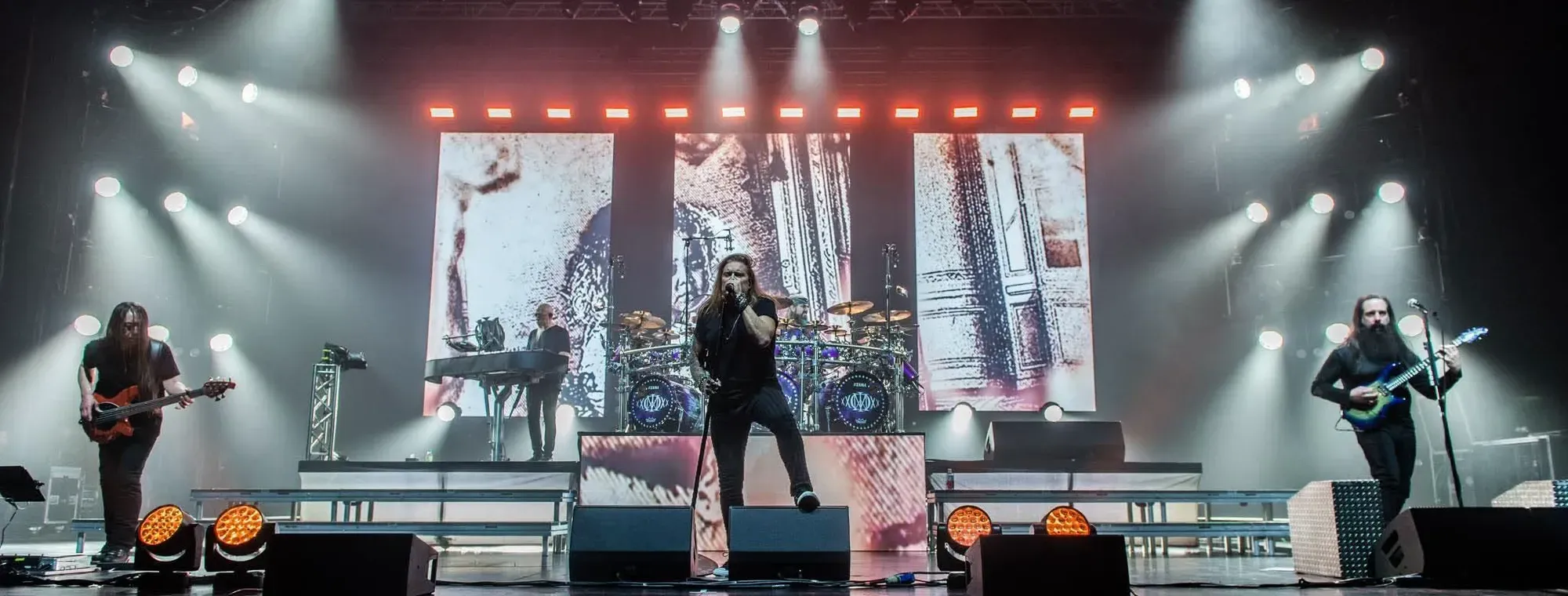
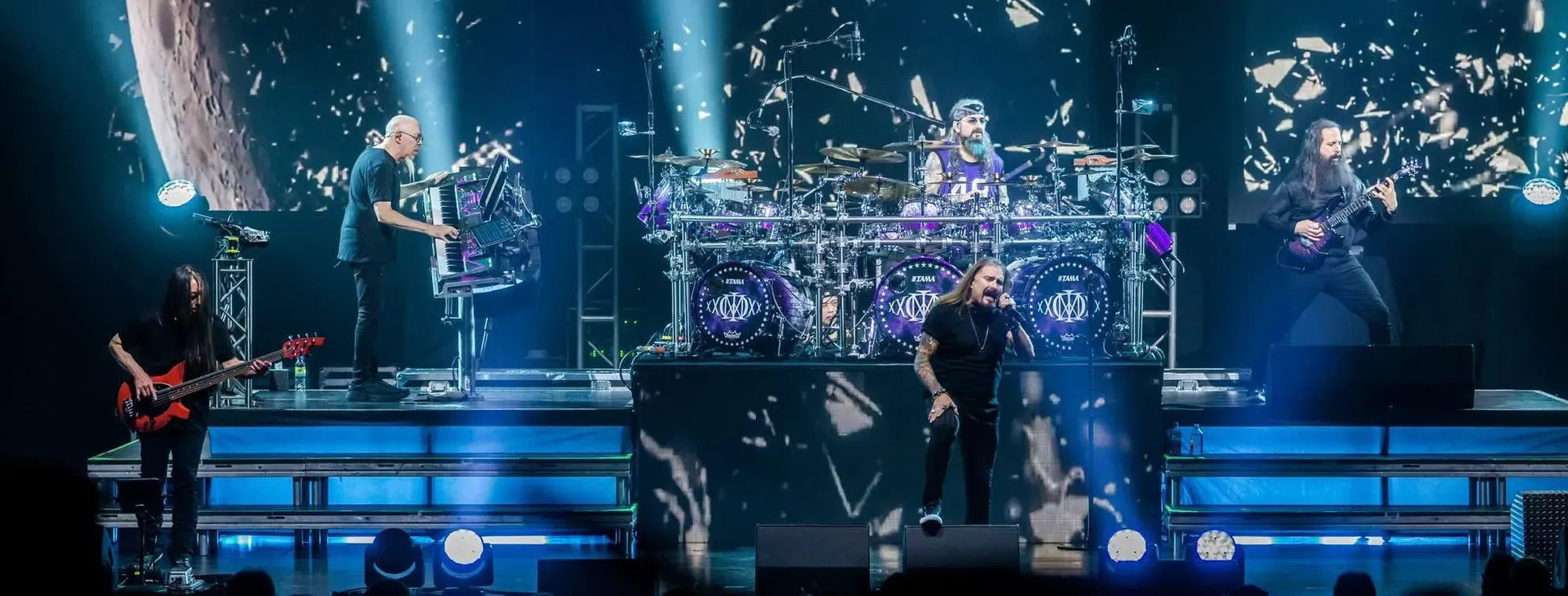
I’ve been an endorser for Zildjian and the family – I don’t know, I have to think if it’s three decades... I’ve been playing these cymbals my whole life, since age five, so they’re a part of me. I’ve chosen the model of drums, cymbals and basically everything here for the show because of a combination that when I play to this music, I need to be like an orchestra; in other words, with high notes and low notes. So I need the small drums and the big drums. Also, I must reflect a vast Dream Theater catalog before I was in the band, so I had to have some of those sounds too, and I set up asymmetrically and choose the types of cymbals and things so that the tones are similar on each side but different enough that I can play lefty or righty and get a similar sound. I have a memory of the Zildjian Day of 2010 because I was learning Dream Theater songs for my audition on paper. I remember flying, I remember the meals, I remember the clinic itself, I remember, ‘Oh my gosh, we’re missing a couple of parts’ – I remember.
Mike added:
My favorite snare drum for the show is the [Remo] P77 Coated; it has a CS Dot, but it’s coated and it’s thicker. I’ve also used this in a studio, except recently by a mistake, I was shipped clear P3s, so I decided to try it. I put it on the drum and recorded my whole solo album with it, so it worked.
Focusing on Bruce Lee, the musician said:
Bruce Lee was able to knock a person down from one inch away, and so that inspired me to use my body before striking because something did not make sense to me about getting a lot of power like this. So that inspiration helped me think about pulling down with my body and really working on that small distance hit to be very strong, so that’s the connection. My advice is to understand this with perspective. In other words, just staying home and practicing and being able to hit drums has nothing to do with working with people. Sometimes people are good at working with people, but not as good with the drums, and they get a job, but not as proficient. Sometimes people are better at the drums and don’t get a job or do get a job. It’s a balance between, you know, work on being as good as you can, be responsible, but you have to be responsible – how to make the connection to other people. So, you work on yourself, you have to understand the job, and you have to understand communication, it’s a lot. It’s a very difficult thing to do, you need all of it.
Mangini also discussed his warmup routine, saying:
My warmup routine before the show consists of teaching my body fundamentals, the basic fundamentals of moving. Once I do that, I then try to play loose so that especially my feet play with smoothness and not, like, try to force too much, try to hit too hard. With my hands, I try to strike strongly, and then I squeeze the sticks to warm up these muscles because when I go on stage, my hands are traumatized because I hit 10 times as hard for real. I can’t simulate this in practice, I can’t do it, so the most I can do is flex and work on these muscles so I can hold the sticks on the stage because I’m pounding the drums. With my legs, I have to be careful not to pound too much and make sure that I’m loose and can move fast. So my warmup is about learning the motion, basic motion, back and forth with both, squeeze and try to relax.