

Originally published in Hard Rock.hu · May 2017
“I’m not really a quiet person”: interview with John Myung (Dream Theater)
by karpatisz | 2017.05.17
InterviewTranslatedJohn Myung9 min read
Translated from the original language with DeepL, so the wording may differ from what was actually said.
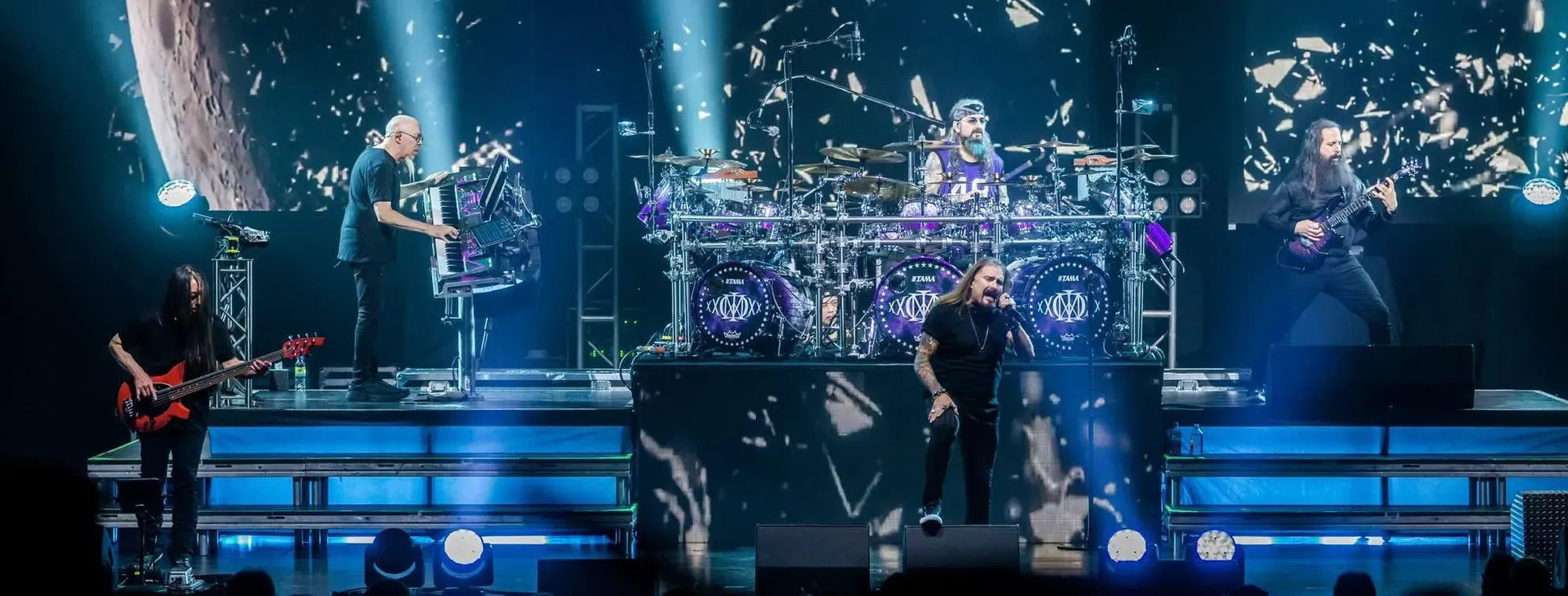
With ‘Images And Words’ being a Budapest stop on their celebratory tour, I thought I’d talk to some of the band members who were present at the making of the legendary album. Only three members of the current line-up met my criteria. The last person I managed to talk to was the lead singer, so my first thought was that it would have been nice to talk to John Myung, but I hadn’t been able to catch him earlier. I saw little chance of my plan coming to fruition. In the meantime, I found out that John Petrucci would not be available for an interview either, because he would be a guest at the opening of the Sound Arena. I was left with only the faintest hope that my plan could succeed. I finally got the answer that I would be able to talk to one of the founding members of Dream Theater for fifteen minutes.
Hard Rock Magazine: 25 years since the release of ‘Images And Word’, why do you think this album brought Dream Theater fame? What is the secret of its success?
John Myung: Well, at the time it happened to us, we didn’t know what to expect. We were also very excited about how it was going to be received, we ended up touring the record for over a year. I don’t think there were any secrets, it was just that through the media we added an extra to the band’s life, we were the flagship band in this genre, as no band had achieved this kind of success before. But I tell you, we didn’t know what was going to happen.
HRM: If you had to choose one song that you think best captures the soul of ‘Images And Word’, which one would you choose?
JM: I think Pull Me Under would have been the best choice, I think it was a good decision that it ended up being the ‘sound’ of our album. At the time everything was coming together at the right time, we had a good producer at a good time who was already experiencing success. I felt that his success had been incorporated into this record. He also took our music to the radio stations and it felt really good to be listened to.
HRM: A Change Of Seasons was part of the current show, but two other songs, To Live Forever and Eve, were not included on this record. Can you tell us why?
JM: With Eve and To Live Forever, we thought they were B-side compositions, they just didn’t fit in. The label supported us in that decision. We recorded A Change Of Seasons at the same time as Images And Words, but the label said they wanted a record that was shorter than an hour. Then we realised that it might be better if our record wasn’t too long.
HRM: You mentioned this record once before in 2007. How is the 2007 commemoration different than the 2017 commemoration now?
JM: At that time it was more of a retrospective because we were also promoting a new record [‘Systematic Chaos’ – ed]. I looked at it at the time as a very good addition to the tour programme at the time. But on the 25th anniversary it’s a completely different thing because we’re focusing on that now, that’s the backbone of our show. People come to see us because they want to hear this record.
HRM: In this show you’ve brought back a number of elements that were on the 1992 tour, I’m thinking of the guitar, bass and drum solos. Back then it was more improvisational, now I understand you’re playing a written thing. Why did you decide to go for the elaborate solo?
JM: It’s actually a Jaco Pastorius song that you can hear. I’ve always loved A Portrait Of Tracy, it’s an interesting composition with glass sounds. It seemed like a really good idea to put that in before As I Am, because it starts with a similar theme. Jaco was the one who took me into that world, it was through his songs that I learned about glass sounds. I think glass sounds played on the bass guitar are the most beautiful sounds in the world, it just gives a really rich sound. I’m happy to show that effect, where that element of my playing comes from.
HRM: They say that you choose the instrument that suits your personality. How do you think your bass guitar shows who John Myung is?
JM: I also appreciate someone who has a sense of purpose, purpose is part of my life. It takes a lot of work to make an instrument express a personality. I chose this because I enjoyed the challenges.
HRM: The whole world knows you as the quietest member of Dream Theater. Is that your personality in real life?
JM: I’m not really a quiet person. I think it’s been a little over hyped. I’m very much a talker, I don’t see myself as someone who would immerse myself in silence. I’ve always had a temperament, my life is purposeful.
HRM: It’s been ten years now since Ernie Ball Music Man Bongo bass guitars can be seen on stage. Why did you decide to make the switch? After all, you had your own name-brand model at Yamaha.
JM: You know, I’ve tried a lot of different instruments over the years, but the reason I made the decision was because I was looking for one that fit my style. I found that in the Ernie Ball Music Man basses. They also custom made things for me at my request and everything worked perfectly afterwards. It’s very difficult to find an instrument that’s really fun to play, it took me a long time to find one. I asked them to make a six-string for me, and that’s how I made a sample of the Bongo. I kept it, but it took me many years to get the guitar I play now. We kept the larger body size and the Fender-style fretboard, but playing that neck was very difficult, even breaking my fingers. So we figured out to put the five-string neck on there, but put six strings back on. That ended up being the magic.
(At that moment a lovely female voice spoke up so that we only had time for a short question)
HRM: The band has been to Hungary ten times, do you have any personal memories that can be linked to Budapest or the Hungarian audience?
JM: Actually, nothing that I can remember. The scenery is always very beautiful around here. I don’t think anything special happened at the concerts either, but I can say that we are always very happy to come back here.
HRM: Thank you very much for the opportunity to talk to you!
Original text
„Valójában nem vagyok egy csendes típus”: Interjú John Myunggal (Dream Theater)
írta karpatisz | 2017.05.17
Az ’Images And Words’ ünnepi turnéjának budapesti állomása is lett, ezért arra gondoltam, hogy a zenekar azon tagjaival beszélnék ezúttal, akik jelen voltak a legendás album születésénél. A jelenlegi felállásból már csak három tag felelt meg az általam támasztott feltételnek. Az énekessel legutóbb sikerült beszélnem, így az első ötletem az volt, hogy jó volna, ha John Myunggal beszélhetnék, de őt nem lehetett elcsípni korábban. Kicsi esélyt láttam arra, hogy a tervem megvalósulhat. Közben kiderült, hogy John Petrucci sem lesz elérhető interjúra, mert a Hangszerarzenál megnyitóján lesz vendég. Így már csak halvány reményem maradt, hogy a tervem sikerülhet. Végül megkaptam a választ, hogy a Dream Theater egyik alapító tagjával tizenöt percen keresztül beszélhetek.
Hard Rock Magazin: 25 éve jelent meg az ’Images And Word’. Szerinted miért ez a lemez hozta meg a Dream Theaternek a hírnevet? Mi a sikerének a titka?
John Myung: Nos, abban az időben, amikor ez történt velünk, nem tudtuk, hogy mire számíthatunk. Nagyon izgatottak is voltunk, hogy milyen lesz a fogadtatása, végül több mint egy éven keresztül koncerteztünk a lemezzel. Szerintem nem volt semmilyen titok, csak a médián keresztül egy plusz adódott a csapat életéhez, ebben a műfajban mi voltunk a zászlóshajó, hiszen korábban egyik zenekar sem ért el ilyen sikert. De mondom, mi magunk sem tudtuk, mi fog történni.
HRM: Ha választanod kellene egy dalt, ami szerinted a legjobban megmutatja az ’Images And Word’ lelkét, te melyiket választanád?
JM: Azt gondolom, hogy a Pull Me Under volna a legjobb választás, szerintem is jó döntés volt, hogy ez lett végül a lemezünk „hangja”. Akkoriban minden a legjobbkor volt együtt, volt egy jó producerünk egy jó pillanatban, aki már a sikert is tapasztalta. Azt éreztem, hogy az ő sikere is beleivódott ebbe a lemezbe. A rádiókba is ő vitte el a zenénket és nagyon jó érzés volt, hogy hallgattak rá.
HRM: A mostani műsor része lett az A Change Of Seasons, de emellett még két dal, a To Live Forever és az Eve sem került rá erre a lemezre. Elmondanád nekünk, hogy miért?
JM: Az Eve-vel és a To Live Foerverrel kapcsolatban mi is úgy gondoltuk, hogy azok B oldalas szerzemények, egyszerűen nem illettek bele a képbe. A kiadó is támogatott minket ebben a döntésben. Az A Change Of Seasonst az ’Images And Words’-szel egy időben vettük fel, de ezzel kapcsolatban a kiadó azt mondta, hogy ők olyan lemezt szeretnének, amely rövidebb, mint egy óra. Aztán mi is beláttuk, hogy lehet, jobb így, ha a lemezünk nem túlságosan hosszú.
HRM: 2007-ben már egyszer megemlékeztetek erről a lemezről. Miben másabb a 2007-es, mint most a 2017-es megemlékezés?
JM: Akkoriban inkább csak visszatekintés volt, mert ezzel egy időben egy új lemezt [’Systematic Chaos’ - szerk.] is népszerűsítettünk. Én úgy tekintettem akkor erre, hogy egy nagyon jó adalék az akkori turné műsorához. A 25 éves évfordulón viszont teljesen más a helyzet, mert most erre összpontosítunk, ez a műsorunk gerince. Az emberek azért jönnek el minket megnézni, mert ezt a lemezt szeretnék hallani.
HRM: A mostani műsorba több olyan elemet visszahoztatok, ami a 1992-es turnén is látható volt, gondolok itt a gitár-, basszusgitár- és dobszólókra. Akkoriban ez inkább improvizatív volt, most ha jól tudom, egy megírt dolgot játszol. Miért döntöttél a kidolgozott szóló mellett?
JM: Igazából az egy Jaco Pastorius-dal, amit hallani lehet. Mindig is szerettem az A Portrait Of Tracyt, ez egy érdekes üveghangokat tartalmazó kompozíció. Nagyon jó ötletnek tűnt, hogy ezt betegyük az As I Am elé, mert ez is ilyen témával kezdődik. Jaco volt az, aki elvitt engem ebbe a világba, az ő dalai segítségével tanultam meg az üveghangokat. A basszusgitáron megszólaltatott üveghangok szerintem a világ legszebb hangjai, ez ad csak igazán gazdag hangot. Örülök neki, hogy megmutathatom ezt a hatást, hogy honnan is ered ez az eleme a játékomnak.
HRM: Azt mondják, hogy az ember a saját személyiségéhez illő hangszert választ. A basszusgitárod hogyan mutatja meg szerinted, hogy ki az a John Myung?
JM: Én is értékelem, ha valakit a céltudatosság jellemez, az én életem része is a céltudatosság. Sok munka kell ahhoz, hogy egy hangszer személyiséget tudjon kifejezni. Én azért ez választottam ezt, mert élveztem a kihívásait.
HRM: Az egész világ úgy ismer téged, hogy a Dream Theater legcsendesebb tagja. A való életben is ilyen a személyiséged?
JM: Valójában nem vagyok egy csendes típus. Azt hiszem, ez a dolog egy picit túl lett lihegve. Nagyon is beszédes alkat vagyok, nem épp olyannak látom magam, aki elmerülne a csendességben. Mindig is volt egy temperamentumon, az életemet is céltudatosan irányítom.
HRM: Most már tíz éve, hogy az Ernieball Musicman Bongo basszusgitárokkal lehet színpadon látni. Miért döntöttél a váltás mellett? A Yamaha cégnél elvégre egy saját, névre szóló modelled volt.
JM: Tudod, az évek alatt már sokféle hangszert kipróbáltam, de a döntésem oka az volt, hogy egy olyat kerestem, ami stílusban is illik hozzám. Én ezt találtam meg az Ernieball Musicman basszusgitárokban. Ők egyedi dolgokat is elkészítettek az én kérésemre, és utána minden tökéletesen működött. Nagyon nehéz egy olyan hangszert találni, amin igazán élvezetes játszani, sok időbe telt nekem is, mire megtaláltam. Én kértem azt, hogy készítsenek nekem hathúrosat, így készült el a Bongo mintapéldánya. Ezt meg is tartottam magamnak, de hosszú évek kellettek ahhoz, hogy az a gitár elkészüljön, amin most játszom. Megtartottuk a nagyobb testméretet, a Fender típusú érintőbeosztást, de azon a nyakon játszani nagyon nehéz volt, még az én ujjaimat is törte. Így kitaláltuk, hogy az öthúros nyakat illesztjük oda, de hat húrt teszünk rá vissza. Ez lett végül a varázslat.
(Ebben a pillanatban megszólalt egy kedves női hang, hogy már csak egy rövid kérdésre maradt időnk)
HRM: Tíz alkalommal járt már a zenekar Magyarországon, neked van személyes emléked, ami Budapesthez vagy a magyar közönséghez köthető?
JM: Valójában semmi olyasmi nem történt, amire emlékeznék. Nagyon szép a táj mindig errefelé. A koncerteken sem történt szerintem semmi különös, de azt mondhatom, hogy mindig nagy örömmel jövünk ide vissza.
HRM: Nagyon köszönöm, hogy beszélhettünk!