
Originally published in Laut.de · January 2016
“The story is the crux of the matter”
By Interview by Yan Vogel · January 22, 2016
InterviewTranslatedJohn Petrucci27 min read
Translated from the original language with Google Translate, so the wording may differ from what was actually said.
The interview with John Petrucci, guitarist and principal songwriter of the New York prog institution Dream Theater, took place in early December. A few days prior, a handful of journalists were given a sneak peek at the new concept album, which is over two hours long.
You have to engage with this record almost monastically. The Astonishing et labora, nothing else. Casual listening seems doomed to failure. Accordingly, Petrucci comes across as self-assured, yet also relaxed, aware of having created something great, during the half-hour interview.
Yan Vogel: Hi John!
John Petrucci: Hey, how are you?
YV: Very good. I’ve spent years listening to your music now – it’s great to have one of the originators of this music on the phone.
JP: [laughs] That’s nice. Yes, it’s also great to talk to you.
YV: Let’s talk about the new album. Dream Theater, your last self-titled release, was, according to you, a concept album without a real concept. And now you’re presenting a double album with a sprawling concept. How did you come up with this idea?
JP: The creation of the new album took a long time, spanning the last two and a half years. It was my idea to embark on this immense project. I wanted to write a story, but it didn’t necessarily start as a concept album. The underlying idea was to put on a special live show in select venues and record the album with a real orchestra and choir. Over time, the story developed more and more. The many characters emerged, and together with the opulent live show, our master plan took shape.
I started by writing the story, gradually gathered the first musical ideas, and then joined forces with my songwriting partner, Jordan [Rudess, keyboards]. We worked out the music together. Besides that, I also wrote the lyrics for this crazy project, which together amount to two hours and fifteen minutes of music and lyrics. We also took care of the orchestration. To be honest, we haven’t quite finished it yet, as we’re still in the final mixing phase. And there’s still a lot to do.
YV: The 45-minute excerpt we were allowed to hear already sounds very promising...
JP: And that’s just a small part.
YV: There’s still an hour and a half to go.
JP: These proportions are totally crazy.
YV: In the end, you could probably describe it more as a rock opera.
JP: You’re probably right, other listeners have said the same thing. There’s this story, illustrated through the music, as well as the many characters. That pretty much sums up the definition of a rock opera.
YV: Where do you see the differences to your last concept album, Scenes From A Memory? And do you think The Astonishing is on the same level?
JP: In this case, everything fits together even better and is on a larger scale. SFAM was based on a story that didn’t have as many details as this one and was only half as long. Now the concept is based on a completely developed, original story with a lot of depth.
There will be a standalone show. You could also call it more of a whole. There’s a screenplay, there will be 3D animation. This simply creates more layers that belong together. One similarity is that both albums are concept albums. But that’s where the similarities end.
YV: You just mentioned that you wrote all the lyrics. Why weren’t the other members, especially James LaBrie as the singer, involved in the songwriting process?
JP: I actually wrote all the lyrics. The reason is that I wanted to make sure the lyrics expressed all the details relevant to the story. We made this decision right from the start. The entire concept needed a cohesive narrative. The characters, with their desires and goals, had to be believable and speak for themselves. I felt that this time, circumstances demanded that one person be solely responsible for the process. That wouldn’t have been possible if the work had been shared. As the sole writer, you’re simply more focused.
YV: Overall, the result sounds more organic and less contrived. If you look back at the albums from 2000 to 2011, they were much more technically driven. You already made some changes to your sound on the last album, moving towards a significantly more melodic and less technical style. How do you see this process of change?
JP: The story is the central focus of the new album. You’ve only gotten a small taste of it so far. There are 34 tracks in total, so a considerable portion of the album is missing. All the songs are different because they’re all based on the story. If a song deals with a theme that requires a mood that comes across as dark, heavy, and mysterious, then we developed the song in that direction.
So you hear a wide variety of styles. On the one hand, it sounds very progressive and crazy because the story demands dramatic moments. Then there’s a twist towards a sad mood or an emotional one. All the music is driven by the story, indeed, it’s practically shaped by its unfolding. That’s why this album probably occupies a special place in our back catalog, because it’s very different from the rest. Dream Theater remains the main point of reference, and it unmistakably sounds like us. But it’s based on a different inspiration.
YV: I hear a lot of progressive elements, but more in the spirit of progressive music from the seventies and eighties, and less according to the definition of progressive metal or influences from modern metal.
JP: Yes, you’re right. There are even more songs in our concept that breathe this vibe of seventies progressive rock. It just seems to fit together more naturally that way. By following the idea of seventies prog, it gives our approach a good atmosphere in which we can reveal our story.
YV: This time you’re using the term “prog” in the sense of innovation.
JP: That’s certainly something we like to hear.
YV: To get back to the influences on the story. Which films influenced your concept?
JP: The Hunger Games, Game Of Thrones, Escape From New York, Star Wars, Lord Of The Rings, Jesus Christ Superstar, and other films and series had a major influence on The Astonishing.
YV: On the literary side, I could also easily imagine George Orwell or Aldous Huxley.
JP: George Orwell, certainly, and of course, Brave New World, and as you can imagine, Tolkien as well. His influence is definitely significant.
YV: I also immediately thought of 1984 or Brave New World. Because there are these omnipresent NOMACS, who are responsible for both surveillance and the uniform sound system.
JP: To briefly return to the story. It’s set in the future, about 300 years from now. It’s a dystopian setting. A societal collapse has occurred. Everything reverts to a time of kingdoms ruled by sovereigns, yet it’s set in the future. There’s a vast divide between the aristocracy and the common people.
One reason for this is something we can already observe in our present: many processes and procedures are being taken over by machines and robots. People are losing their jobs. My thought was, what happens when music and art aren’t created by humans, but by machines?
And the NOMACS create the only form of music in this future world. It sounds truly horrifying. Electronic music that makes no sense and has no soul. People feel a great emptiness; they’re missing something. In a remote part of the country, a person is born who possesses the gift of music. People haven’t heard anything like it for centuries and don’t know what to make of it. But they sense that it must be incredibly liberating. And this person inspires a revolution against tyranny.
YV: ‘Along For The Ride’ and ‘The Spirit Carries On’ both deal with religious themes. What are your thoughts on religion in general, and do religious themes play a role in the concept for the new album?
JP: Religion plays a large and important role in many people’s lives, helping them stay grounded and keeping them grounded. It unites families and helps you have a kind of compass in life. In the case of The Astonishing, there’s no religious message. I’m a big fan of Jesus Christ Superstar and grew up with it. In our case, I certainly incorporated some elements of the Jesus story. There’s this chosen one, the savior from the village of Ravenskill, and his gift is music. He’s seen by the people as the one who can set them free. So, there’s this theme, which, while not religious in nature, uses the Jesus story symbolically. There’s also a betrayal in our story, involving Gabriel’s brother. So, we’re playing with these themes, but without a specific religious undertone.
YV: You mentioned the dystopian nature of the setting and that it’s set in the distant future. But aren’t NOMACS also a critique of the 24/7 bombardment and availability of music and its arbitrary production methods these days?
JP: There are certainly parallels to today. That’s another underlying theme. Attention spans are short, everything is available anytime, anywhere via streaming. You can download anything. It goes in one ear and out the other. People no longer take the time to sit down and immerse themselves in the music. Not everyone, but most. We in DT have always chosen the opposite path. We make albums in recording studios, we use real instruments like pianos and orchestras. With this project, we also express how essential music has become to our lives, but also how important music is for our culture, for society, and for relationships.
YV: There’s a so-called elite that tries to control the mainstream media. In your case, that’s The Great Northern Empire of the Americas and, as its counterpart, the Ravenskill Rebel Militia. Aren’t there parallels to our current conflicts?
JP: The more power is concentrated in a small group, the greater the risk of relapsing into dictatorship or tyranny. That’s a significant danger.
YV: In your opinion, what are the biggest challenges facing the Western world today in order to avoid a social collapse that would ultimately lead to a feudal society like the one you describe in your concept?
JP: In our case, it’s a kind of romantic idealization. We’re alluding to the fact that art and music might not fit with the technological environment we live in, nor with the fast-paced and frenetic lifestyle that’s currently fashionable. Yet, they are so important for the soul and spirit of humanity and should retain a place in our lives. Music and art make a huge difference. Otherwise, it might end in a major apocalypse. That’s the narrative that forms the central thread of our concept.
YV: I think your theme is aptly chosen, since music and art are a prerequisite for human consciousness, especially for reaching people’s souls. James sings in ‘The Gift Of Music’: “People just don’t have the time for music anymore.” That’s a powerful statement to those for whom music is merely entertainment and an accessory to kill some time. And your answer to that is a two-hour concept album.
JP: [laughs] Yeah, you have to make the time for it.
YV: Many fans stand still in their seats, captivated by your live shows. They simply don’t want to miss a single note. Which of you in the band is the dancer who initiated the tango part in ‘Lord Nafaryus’ and might soon be getting your fans moving?
JP: [laughs] The funny thing is, the tango part actually came about by mistake. When Jordan and I were working out the music for this part, and while we were recording it, the recording software glitched at that point and changed the feel of the click track. Suddenly, the rhythm sounded like a tango. I perked up and said we should make it a tango. [laughs] That’s how it happened.
If you look at the villains in the story, you come across Lord Nafaryus. You immerse yourself in the album and listen to the music you associate with the villain. It often has an ironic and counterpointing vibe. The tango, in this instance, gives the impression that this guy is totally puffed up, self-absorbed, and over the top. We thought that was pretty cool in this context.
YV: You just mentioned that you and Jordan composed most of the music. Mike Mangini’s drumming is very distinctive. Can you elaborate a little on his role in the songwriting process?
JP: Mike didn’t co-write the music with the two of us, but once Jordan and I had essentially finished the music and sent it to the rest of the band, Mike really got involved. When he came into the studio to work out the drum parts for the existing music, he was incredible. He’d walk in and in some cases just say, “Hit the record button,” then start playing and lay down an incredible drum track that really brought the song to life. And that was on the first take. He had an immediate connection and a deep understanding of the music and what it needed. I think the drumming on the album is phenomenal. It’s very musical, and it always fits the music perfectly. Mike did a killer job.
YV: I think you all sound spot-on and serve the song perfectly.
JP: Everyone really gave it their all, and I think James also contributed a great deal. He sings the parts of these different characters. Jordan was a great writing partner. Our mixer and recording engineer, Rich Chycki, was like our sixth band member; he put so much time into the project and played a part in making it sound the way it does. I’m very happy with how everything has turned out.
YV: Let’s talk about the full orchestration with orchestra and choir. You collaborated with Dave Campbell, who has worked on numerous albums as a composer, conductor, and arranger. How did that come about, and why did you choose him?
JP: We knew from the beginning that all the music would be arranged for orchestra and choir. It was also clear that there would be a significant amount of music. So we needed someone with a lot of experience who had already composed film scores and worked with rock and pop artists. Dave Campbell was the obvious choice. This guy can really do everything. He was also the first person I thought of, the first person we approached, and luckily he said yes. And he really immersed himself in the project. It was very exciting working with him. He put so much work and so many hours into the project, and so much time to organize everything, like recording the orchestra. There’s a concert choir and a gospel choir; all these different elements had to be brought together. David was able to make it all happen. He did a phenomenal job. He’s a great guy, too.
YV: Some projects, like Score or the last live release, had special spots for the classical parts, but now the music is accompanied almost entirely by an orchestra and choir. How do you plan to bring that to the stage?
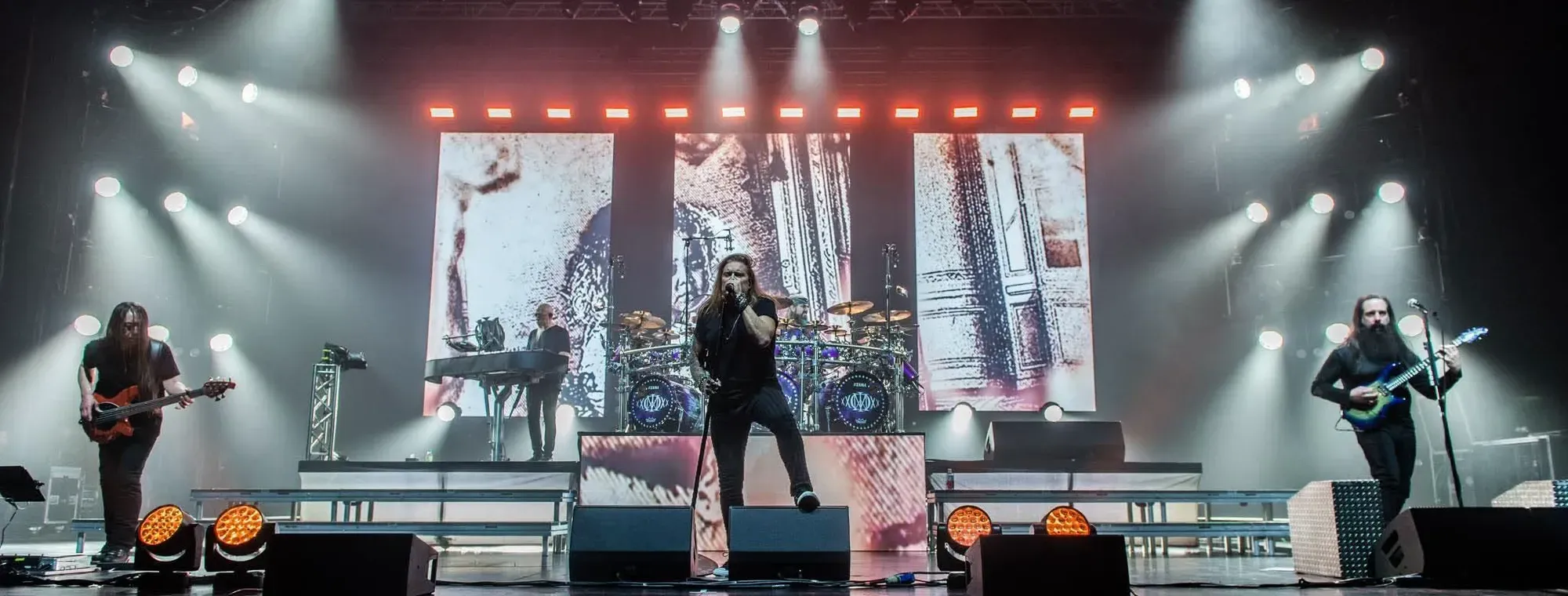
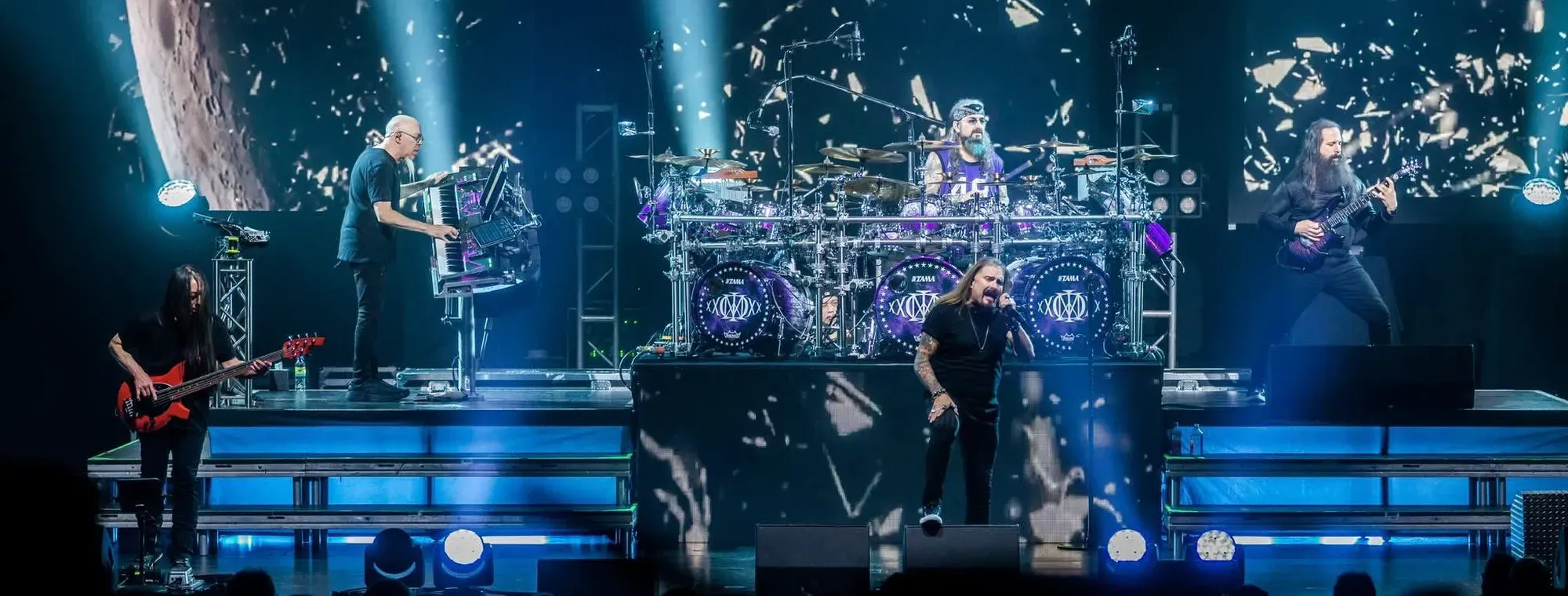
JP: In this case, we decided that for the entire tour, we would present the album in its entirety as a separate show. The Astonishing Live in two acts. What we’re currently working on is the following setup: a stage design with a combination of a light show and special video panels. The stage will be transformed into the different settings of the story, such as the city of Ravenskill, and 3D projections will be shown throughout. All the video projections and visual accompaniments will be played back to a code that runs in the background. When this code runs, the orchestral track that David recorded will also play in the background. And the band will play along with it. The band plays live, and everything else that has been recorded will be played back with us as part of the video animations.
It’s very complicated and involves a lot of work, but the end result should be pretty cool. Logistically, it’s not possible to take an orchestra and a choir on tour; that would be too elaborate. Too many people and far too expensive. If we film the whole thing, we’ll hold a few weeks of rehearsals with the orchestra, but that would only be a special event. Anything else makes no logistical sense.
YV: Dream Theater stands for high-quality prog rock and prog metal with immense musicality. There are so many fans who have a particular view of your work. How do you deal with these expectations, which lie roughly between the poles of innovation and trademark?
JP: In this case, it was clear that everything would focus on the story, and that the story would set the pace. When the story was finished, I knew we had laid the foundation for something special. We hadn’t given any thought to outside influences. We didn’t think about any templates. Our only motivation was to write music that did justice to the story and to put it into a form.
YV: Don’t you think your music is often reduced to your technical abilities? There’s a German Disney comic book, the Lustiges Taschenbuch (Funny Pocket Book). You also appear in it as a member of the band Traumtheater, a truly fictional construct capable of firing off 45 notes per second.
JP: [laughs] That’s hilarious!
YV: How does it feel to be a pop icon?
JP: It’s really funny. In Italy, there’s a Disney cartoon, a Donald Duck cartoon, and we appear in it as a band called Duck Theater. We’re playing a concert, and I think I’m trying to set a speed record on the guitar. But of course, there’s an evil duck who shoots slow-motion rays at me to stop me from setting the record. So it’s not the first time that’s happened to me. [laughs]
YV: I guess you guys can handle the irony.
JP: Sure, that kind of thing is fun, definitely.
YV: The album is being released on the same day as another so-called rock opera. Are you familiar with Avantasia?
JP: Never heard of it. What’s it about?
YV: It’s a project started by Tobias Sammet, the singer and songwriter of the German metal band Edguy. He collaborates with various singers like Russell Allen and Jorn Lande. Similar to Arjen Lucassen’s Ayreon, with whom James has also worked.
JP: Ah, I see. And they’re coming out on the same day?
YV: Exactly, it’ll be a feast for all concept album fans.
JP: I didn’t know that, actually. I’ll have to give it a listen.
Original text
“Die Story ist der Dreh- und Angelpunkt”
Interview geführt von Yan Vogel
22. Januar 2016
Bereits Anfang Dezember fand das Gespräch mit John Petrucci statt, dem Gitarrist und Hauptsongwriter der New Yorker Prog-Institution Dream Theater. Ein paar Tage vorher durften ein paar Journalisten erste Eindrücke vom über zweistündigen neuen Konzeptalbum erhaschen.
Man muss sich mit der Scheibe mönchisch beschäftigen. “The Astonishing” et labora, sonst nix. Nebenherhören scheint zum Scheitern verurteilt. Entsprechend selbstbewusst, aber auch relaxt ob des Bewusstseins, etwas Großes geschaffen zu haben, gibt sich Petrucci während des halbstündigen Gesprächs.
Yan Vogel: Hi John!
John Petrucci: Hey, wie geht’s dir?
YV: Sehr gut. Ich habe mittlerweile Jahre mit dem Hören eurer Musik verbracht - schön einen der Urheber dieser Musik an der Strippe zu haben.
JP: (Lacht) Das ist mal nett. Ja, ebenfalls toll, mit dir zu sprechen.
YV: Lass uns über die neue Platte sprechen. “Dream Theater”, euer letzter selbstbetitelter Output, war dir zufolge ein Konzept-Album ohne ein richtiges Konzept. Und nun präsentiert ihr ein Doppel-Album mit einem ausufernden Konzept. Wie seid ihr auf diese Idee gekommen?
JP: Die Entstehung des neuen Albums nahm eine lange Zeitspanne in Anspruch, die sich über die letzten zweieinhalb Jahre erstreckte. Es war meine Idee, dieses immense Projekt anzugehen. Ich wollte eine Story schreiben, aber es begann nicht unbedingt als Konzept-Album. Der Hintergedanke war, eine besondere Live-Show in ausgewählten Venues aufzuziehen und das Album mit richtigem Orchester und Chor aufzunehmen. Mit der Zeit entwickelte sich die Story immer mehr. Es entstanden die vielen Charaktere und gemeinsam mit der opulenten Live-Show ergab sich unser Masterplan.
Ich startete damit, die Story zu schreiben, sammelte nach und nach die ersten musikalischen Ideen und schloss mich dann mit meinem Songwriting-Partner Jordan (Rudess, Keyboards) zusammen. Wir haben die Musik zusammen ausgearbeitet. Daneben schrieb ich noch die Lyrics für dieses verrückte Projekt, was zusammengenommen zwei Stunden und fünfzehn Minuten Musik und Lyrics ergeben. Zusätzlich kümmerten wir uns um die Orchestrierung. Wenn man ehrlich ist, dann haben wir das Ganze noch nicht ganz beendet, denn wir befinden uns immer noch in der finalen Mixphase. Und es steht noch einiges an.
YV: Der 45-minütige Auszug, den wir hören durften, klingt schon mal sehr vielversprechend ...
JP: Und das ist nur ein geringer Teil.
YV: Es fehlen ja noch eineinhalb Stunden.
JP: Diese Relationen sind total verrückt.
YV: Am Ende kann man es wohl eher als Rock-Oper bezeichnen.
JP: Da hast du wohl recht, das haben auch schon andere Hörer gemeint. Es gibt halt diese Story, die durch die Musik illustriert wird, sowie die vielen Charaktere. Das trifft die Definition einer Rock-Oper ziemlich gut.
YV: Wo siehst du die Unterschiede zu eurem letzten Konzept-Album “Scenes From A Memory”? Und denkst du “The Astonishing” bewegt sich auf dem gleichen Level?
JP: Im jetzigen Fall passt alles noch mehr zusammen und ist eine Dimension größer. “SFAM” basierte auf einer Story, die nicht so viele Details besaß wie in diesem Fall, und war nur halb so lang. Nun basiert das Konzept auf einer komplett ausgearbeiteten, originellen Story mit viel Tiefgang.
Es wird eine für sich alleinstehende Show geben. Man kann es auch mehr als ein Ganzes bezeichnen. Es gibt ein Screenplay, es wird Animationen in 3D geben. Dies ergibt insgesamt einfach mehr Schichten, die zusammen gehören. Zu den Ähnlichkeiten gehört, dass beide Alben Konzept-Alben sind. Aber da hören die Gemeinsamkeiten auch schon auf.
YV: Du hast gerade davon gesprochen, dass die gesamten Lyrics auf deine Kappe gehen. Warum waren die anderen Mitglieder, speziell James LaBrie als Sänger, nicht in den Prozess der Erstellung der Lyrics involviert?
JP: Ich habe tatsächlich sämtliche Lyrics verfasst. Der Grund dafür ist, dass ich sichergehen wollte, dass die Lyrics alle Details ausdrücken, die für die Story relevant sind. Diese Entscheidung hatten wir bereits zu Beginn getroffen. Das ganze Konzept sollte einen roten Faden bekommen. Die Charaktere, mit ihren Wünschen und Zielen, müssen glaubhaft rüberkommen und für sich sprechen. Ich spürte, dass die Umstände es diesmal verlangten, dass jemand allein für den Prozess zuständig ist. Das wäre nicht möglich gewesen, hätte man die Arbeit auf mehrere Schultern verteilt. Als alleiniger Schreiber ist man einfach fokussierter.
YV: Insgesamt klingt das Resultat mehr organisch und weniger gekünstelt. Vergegenwärtigt man sich die Alben der Jahre 2000 bis 2011, so fallen diese wesentlich technikbetonter aus. Bereits auf der letzten Platte habt ihr euren Sound einige Veränderungen unterzogen, hin zu einem deutlich melodischeren und weniger technischen Stil. Wie siehst du diesen Veränderungsprozess?
JP: Die Story ist der Dreh- und Angelpunkt auf der neuen Scheibe. Du hast bislang nur einen kleinen Eindruck bekommen. Insgesamt gibt es 34 Tracks zu hören, somit fehlt ein gehöriger Teil des Albums. Alle Songs fallen unterschiedlich aus, denn sie basieren allesamt auf der Story. Wenn ein Song ein Thema behandelt, das eine Stimmung erfordert, die düster, heavy und mysteriös rüberkommt, dann entwickelten wir den Song in diese Richtung.
Somit hört man die unterschiedlichsten Stile. Einerseits klingt es sehr progressiv und verrückt, weil die Story nach dramatischen Momenten verlangt. Dann gibt es ein Twist hin zu einer traurigen Stimmung oder einer gefühlsbetonten Stimmung. Die ganze Musik ist getrieben von der Story, ja wird förmlich von deren Fortspinnen geformt. Das ist der Grund, warum dieses Album wahrscheinlich eine Sonderstellung in unserem Backkatalog einnimmt, weil es sich sehr vom Rest unterscheidet. Dream Theater sind weiterhin der Hauptbezugspunkt und es klingt unverkennbar nach uns. Aber es liegt eine unterschiedliche Inspiration zu Grunde.
YV: Ich höre viele progressive Teile heraus, aber eher in der Intention des Progressiven in den Siebzigern und Achtzigern und weniger nach der Definition des Progressive Metal oder Einflüssen aus dem modernen Metal.
JP: Ja, da hast du Recht. Es gibt noch mehr Songs in unserem Konzept, die diesen Vibe des Progressive Rock der Siebziger atmen. Es scheint so einfach natürlicher zusammenzupassen. Indem wir dem Gedanken des Siebziger-Prog folgen, verleiht das unserer Herangehensweise eine gute Atmosphäre, in der wir unsere Geschichte ausbreiten können.
YV: Ihr benutzt dieses Mal den Begriff Prog im Sinne von Innovation.
JP: So etwas hört man natürlich gerne.
YV: Um auf die Einflüsse für die Story zurückzukommen. Welche Filme haben euer Konzept beeinflusst?
JP: “Hunger Games”, “Game Of Thrones”, “Escape From New York”, “Star Wars”, “Lord Of Rings”, “Jesus Christ Superstar” und noch weitere Filme und Serien hatten einen großen Einfluss auf “The Astonishing”.
YV: Auf literarischer Seite könnte ich mir auch noch gut George Orwell oder Aldous Huxley vorstellen.
JP: George Orwell sicherlich, natürlich Brave New World und wie man sich vorstellen kann auch Tolkien. Dessen Einfluss ist sicherlich groß.
YV: Ich musste auch direkt an “1984” oder “Brave New World” denken. Denn es gibt diese omnipräsenten NOMACS, die sowohl für die Überwachung als auch für den Einheitssound zuständig sind.
JP: Um kurz auf die Story zurückzukommen. Diese ist in der Zukunft angesiedelt, in ca. 300 Jahren. Es ist ein dystopisches Setting. Es kam zu einem gesellschaftlichen Zusammenbruch. Alles wendet sich zurück zu einer Zeit der Königreiche, die von Herrschern geführt werden, und spielt dennoch in der Zukunft. Es gibt einen großen Graben zwischen der Aristokratie und dem normalen Volk.
Ein Grund, warum sich das alles so zugetragen hat war, kann man bereits in unserer Gegenwart beobachten: Viele Abläufe und Prozesse werden von Maschinen und Robotern übernommen. Menschen verlieren ihre Jobs. Mein Gedanke war nun, was passiert, wenn Musik und Kunst nicht von Menschen kreiert werden, sondern Maschinen dies übernehmen.
Und die NOMACS machen die einzige Form von Musik in dieser Zukunftswelt. Das klingt richtig schauderhaft. Elektronische Musik, die keinen Sinn ergibt und keine Seele besitzt. Die Menschen verspüren eine große Leere, sie vermissen etwas. In einem abgelegenen Teil des Landes wird ein Mensch geboren, der die Gabe der Musik besitzt. Die Menschen haben so etwas seit Jahrhunderten nicht gehört und wissen nicht, was sie darüber denken sollen. Aber sie spüren, dass es sehr befreiend sein muss. Und diese Person inspiriert zu einer Revolution gegen die Tyrannei.
YV: “Along for The Ride” oder “The Spirit Carries On” spielen mit einer religiösen Thematik. Was denkst du über Religion im Allgemeinen und spielen religiöse Themen eine Rolle im Konzept für das neue Album?
JP: Religion nimmt für viele Menschen einen großen und wichtigen Teil in ihrem Leben ein und hilft ihnen am Boden zu bleiben und sie zu erden. Sie vereint Familien und hilft dir, eine Art Kompass im Leben zu besitzen. Im Falle von “The Astonishing” gibt es keine religiöse Aussage. Ich bin ein großer Fan von “Jesus Christ Superstar” und damit groß geworden. In unserem Fall habe ich sicherlich ein paar Elemente der Jesus-Story übernommen. Es gibt diesen Auserwählten, den Retter aus dem Dorf Ravenskill, und seine Gabe ist die Musik. Er wird von den Menschen als derjenige betrachtet, der sie befreien kann. Somit gibt es diese Thematik, die zwar nicht religiöser Natur ist, aber sich der Jesus-Story in symbolischer Weise bedient. Es gibt ebenfalls einen Verrat in unserer Story, die mit Gabriels Bruder zu tun hat. Man spielt somit mit diesen Themen, aber ohne einen konkreten religiösen Unterton.
YV: Du sprachst von dem dystopischen Charakter des Settings und davon, dass es in einer fernen Zukunft angesiedelt ist. Aber sind die NOMACS nicht auch eine Kritik an 24/7 Beschallung und Verfügbarkeit von Musik und dessen beliebiger Machart heutzutage?
JP: Da gibt es sicherlich Parallelen zur heutigen Zeit. Das ist ein weiteres Thema, das mitschwingt. Es gibt eine kurze Aufmerksamkeitsspanne, alles ist immer und überall via Streams verfügbar. Man kann alles downloaden. Es geht in ein Ohr rein und direkt wieder raus. Die Menschen nehmen sich nicht mehr die Zeit, sich hinzusetzen und in die Musik hineinzuversetzen. Nicht alle, aber die meisten. Wir als DT haben immer den gegensätzlichen Weg gewählt. Wir machen Alben in Aufnahmestudios, wir benutzen richtige Instrumente wie Klavier und Orchester. Mit diesem Projekt bringen wir auch zum Ausdruck, wie essentiell Musik für unser Leben geworden ist, aber auch wie wichtig Musik für unsere Kultur ist, für die Gesellschaft und für Beziehungen.
YV: Man hat eine sogenannte Elite, die versucht, die Leitmedien zu kontrollieren. In eurem Fall sind das The Great Nothern Empire Of The Americas und als Konterpart die Rebellen die Ravenskill Rebel Militia. Gibt es denn nicht Parallelen zu unseren heutigen Konflikten?
JP: Je mehr Macht sich in einer kleinen Gruppe konzentriert, desto größer ist die Gefahr, dass wir einen Rückfall in eine Diktatur oder Tyrannei erleiden. Darin liegt eine wesentliche Gefahr
YV: Was sind denn deiner Ansicht nach die größten Aufgaben, vor denen die westliche Welt heute steht, um gerade einen sozialen Kollaps zu vermeiden, der dann in einer Feudalgesellschaft endet wie ihr sie in eurem Konzept beschreibt?
JP: In unserem Fall ist das eine Art romantische Idealisierung. Wir spielen darauf an, dass Kunst und Musik möglicherweise nicht mit der technisierten Umgebung, in der wir leben, zusammenpassen. Auch nicht zu dem schnelllebigen und verrückten Lebensstil, der in Mode ist. Dabei ist sie dermaßen wichtig für die Seele und den Geist der Humanität und sollte einen Platz in unserem Leben behalten. Musik und Kunst machen einen großen Unterschied. Ansonsten endet es vielleicht in einer großen Apokalypse. Das ist das Narrativ, das den roten Faden unseres Konzeptes bildet
YV: Ich finde euer Thema passend gewählt, da Musik und Kunst eine Voraussetzung für das menschliche Bewusstsein sind, gerade um zur Seele der Menschen vorzudringen. James singt in “The Gift Of Music”: “People Just Don’t Have The Time For Music Anymore”. Das ist schon ein starkes Statement gegenüber denjenigen, für die Musik einzig Entertainment und ein Accesscoire darstellt, um ein wenig Zeit zu verlieren. Und eure Antwort darauf ist ein zweistündiges Konzeptalbum.
JP: (Lacht) Yeah, man muss sich die Zeit dafür nehmen.
YV: Viele Fans stehen still auf ihrem Platz und verfolgen gebannt eure Live-Shows. Sie wollen einfach keine einzige Note verpassen. Wer von euch in der Band ist der Tänzer, der der Tango-Teil in Lord Nafaryus initiiert hat und vielleicht demnächst euren Fans Beine macht?
JP: (Lacht) Das Lustige daran ist, dass der Tango-Part auf einen Fehler zurückgeht. Als Jordan und ich die Musik für diesen Part ausgearbeitet haben und während wir ihn aufgenommen haben, wies die Aufnahme-Software an dieser Stelle eine Störung auf und veränderte das Feeling des Click-Tracks. Auf einmal klang der Rhythmus nach einem Tango. Ich horchte auf und meinte, dass wir daraus einen Tango machen sollten (lacht). So ist es passiert.
Wenn man die Schurken in der Story betrachtet, trifft man auf Lord Nafaryus. Man vertieft sich in das Album und hört sich die Musik an, die man mit dem Bösewicht verbindet. Dann besitzt sie oft einen ironischen und konterkarierenden Vibe. Der Tango ergibt an dieser Stelle das Gefühl, dass dieser Typ total aufgeblasen, nur mit sich selbst beschäftigt und over the top ist. Das fanden wir an dieser Stelle ziemlich cool.
YV: Du hast eben angesprochen, dass Jordan und du den Großteil der Musik komponiert habt. Mike Manginis Schlagzeugspiel fällt sehr charakteristisch aus. Kannst du seine Rolle im Songwriting-Prozess ein wenig näher beleuchten?
JP: Mike hat zwar nicht die Musik mit uns beiden mitgeschrieben, aber als Jordan und ich im Wesentlichen mit der Musik fertig waren und den restlichen Bandmitgliedern die Musik zugesandt hatten, arbeitete sich Mike richtig rein. Als er ins Studio kam, um die Drum-Parts für die bereits vorhandene Musik auszuarbeiten, war er unglaublich. Er kam herein und in einigen Fällen meinte er nur, drück den Aufnahmeknopf, fing dann an zu spielen und haute einen unglaublichen Drum-Track heraus, der den Song richtig zum Leben erweckte. Und das im ersten Take. Er hatte direkt einen Zugang und ein tiefes Verständnis zur Musik und was sie benötigt. Ich denke, dass Schlagzeugspiel auf dem Album ist phänomenal. Es ist sehr musikalisch, es ist auch immer passend zur Musik. Mike hat einen richtigen Killer-Job abgeliefert.
YV: Ich finde, ihr klingt alle auf den Punkt und songdienlich.
JP: Jeder hat in der Tat sein Bestes gegeben und ich denke auch, dass James einen großartigen Teil dazu beigetragen hat. Er singt die Parts dieser unterschiedlichen Charaktere. Jordan war ein toller Writing-Partner. Unser Mixer und Aufnahme-Leiter Rich Chycki war unser sechstes Bandmitglied, er hat soviel Zeit in das Projekt reingesteckt und seinen Teil dazu beigetragen, dass es so gut klingt wie es klingt. Ich bin sehr glücklich damit, in welche Richtung sich alles entwickelt hat.
YV: Lass uns über die durchgängige Orchestrierung mit Orchester und Chor sprechen. Ihr habt mit Dave Campbell kollaboriert, der auf etlichen Alben als Komponist, Dirigent und Arrangeur mitgewirkt hat. Wie kam es dazu und warum habt ihr ihn ausgewählt?
JP: Wir wussten schon von Beginn an, dass die ganze Musik für Orchester und Chor arrangiert werden sollte. Es war auch klar, dass es eine erhebliche Menge an Musik geben würde. Wir brauchten somit jemanden, der viel Erfahrung mitbringt und bereits Filmmusik verfasst und mit Rock- und Pop-Künstlern zusammengearbeitet hat. Dave Campbell war somit die offensichtliche Wahl. Dieser Typ kann wirklich alles. Er war auch die erste Person, an die ich dachte und die wir angefragt hatten und zum Glück hat er ja gesagt. Und er hat sich sehr in die Materie rein gearbeitet. Es war sehr aufregend mit ihm zu arbeiten. Er hat so viel Arbeit und Stunden in das Projekt gesteckt und soviel Zeit, alles zu organisieren wie das Orchester aufzunehmen. Es gibt einen Konzertchor und einen Gospelchor, all diese unterschiedlichen Elemente mussten zusammengefügt werden. David konnte all dies realisieren. Er hat einen phänomenalen Job abgeliefert. Ein toller Typ ist er obendrein.
YV: Einige Projekte wie Score oder die letzte Live-Veröffentlichung hatten spezielle Spots für die klassischen Parts, aber jetzt wird die Musik nahezu durchgängig mit Orchester und Chor begleitet. Wie wollt ihr das auf die Bühne bringen?
JP: In diesem Fall haben wir uns für die gesamte Tour überlegt, dass wir das Album in voller Länge als eigene Show präsentieren. “The Astonishing Live” in zwei Akten. Woran wir gerade arbeiten ist folgendes Set Up: Ein Bühnenaufbau mit einer Kombination aus Licht-Show und speziellen Video-Panels. Die Bühne wird in die unterschiedlichen Settings der Story wie die Stadt Ravenskill transformiert und die ganze Zeit über gibt es 3-D-Einspielungen zu sehen. Alle Video-Einspielungen und visuellen Begleitungen werden zu einem Code abgespielt, der im Hintergrund abläuft. Wenn dieser läuft, läuft gleichzeitig auch die Orchesterspur, die David aufgenommen hat, im Hintergrund mit. Und die Band spielt zu dem Ganzen. Die Band spielt live und alles andere was noch aufgenommen wurde, wird mit uns abspielt als Teil der Video-Animationen.
Es ist sehr kompliziert und bedeutet einiges an Arbeit, aber das Endresultat dürfte ziemlich cool ausfallen. Logistisch ist es nicht möglich ein Orchester und einen Chor mit auf Tour zu nehmen, das wäre zu aufwändig. Zu viele Leute und viel zu teuer. Wenn wir das Ganze filmen, halten wir ein paar Wochen Rehearsals ab mit dem Orchester, aber das wäre nur ein spezieller Event. Alles andere macht logistisch keinen Sinn.
YV: Dream Theater stehen für qualitativ hochwertigen Progrock und Progmetal mit einer immens hohen Musikalität. Es gibt so viele Fans, die einen speziellen Blick auf euer Schaffen haben. Wie geht ihr mit diesen Erwartungen um, die grob zwischen den Polen Innovation und Trademark liegen?
JP: In diesem Fall war der Sachverhalt klar, dass sich alles auf die Story fokussiert und diese den Taktgeber markiert. Als die Story fertig war, wusste ich, dass wir die Grundlage für etwas Besonderes gelegt hatten. Wir hatten uns über Einflüsse von außerhalb keinerlei Gedanken gemacht. Wir haben nicht über Vorlagen nachgedacht. Unser einziger Antrieb war, die Musik zu schreiben, die der Story gerecht wird und dies in eine Form zu packen.
YV: Meinst du nicht auch, dass eure Musik oft auf eure technischen Fähigkeiten reduziert wird. Es gibt ein deutsches Comic-Buch von Disney, das lustige Taschenbuch. Du kommst darin auch vor als Mitglied der Band Traumtheater, eine wahrlich fiktive Konstruktion, die in der Lage ist, 45 Noten pro Sekunde abzufeuern.
JP: (Lacht) Das ist ja der Knaller.
YV: Wie fühlt es sich an als Pop-Ikone?
JP: Das ist wirklich lustig. In Italien gibt es einen Disney-Cartoon, einen Donald Duck-Cartoon, und wir treten darin als Band namens Duck Theater auf. Wir spielen ein Konzert und ich glaube, ich versuche einen Geschwindigkeitsrekord auf der Gitarre aufzustellen. Aber natürlich gibt es einen bösen Enterich, der Verlangsamungsstrahlen auf mich schießt, die mich davon abhalten sollen, den Rekord aufzustellen. Es trifft mich also nicht zum ersten Mal (lacht).
YV: Ich denke mal, ihr könnt mit der Ironie leben.
JP: Klar, so was ist ein Spaß, auf jeden Fall.
YV: Die Platte erscheint am selben Tag wie eine weitere sogenannte Rock-Opera. Kennst du Avantasia?
JP: Sagt mir nichts. Worum geht’s da?
YV: Das ist ein Projekt, das von Tobias Sammet, dem Sänger und Songwriter der deutschen Metal-Band Edguy, ins Leben gerufen wurde. Er arbeitet mit unterschiedlichen Sängern wie Russel Allen oder Jorn Lande zusammen. Ähnlich wie Arjen Lucassens Ayreon, mit dem auch James schon zusammengearbeitet hat.
JP: Ah ich verstehe. Und das kommt am selben Tag heraus?
YV: Genau, das werden Festtage für alle Fans von Konzeptalben.
JP: Das wusste ich in der Tat nicht. Das muss ich mir mal anhören.