

Originally published in Rafa Basa.com · September 2013
Interview with Dream Theater’s John Petrucci
By Rafa Basa · 17 September, 2013, 4:19pm
InterviewTranslatedJohn Petrucci25 min read
Translated from the original language with DeepL, so the wording may differ from what was actually said.
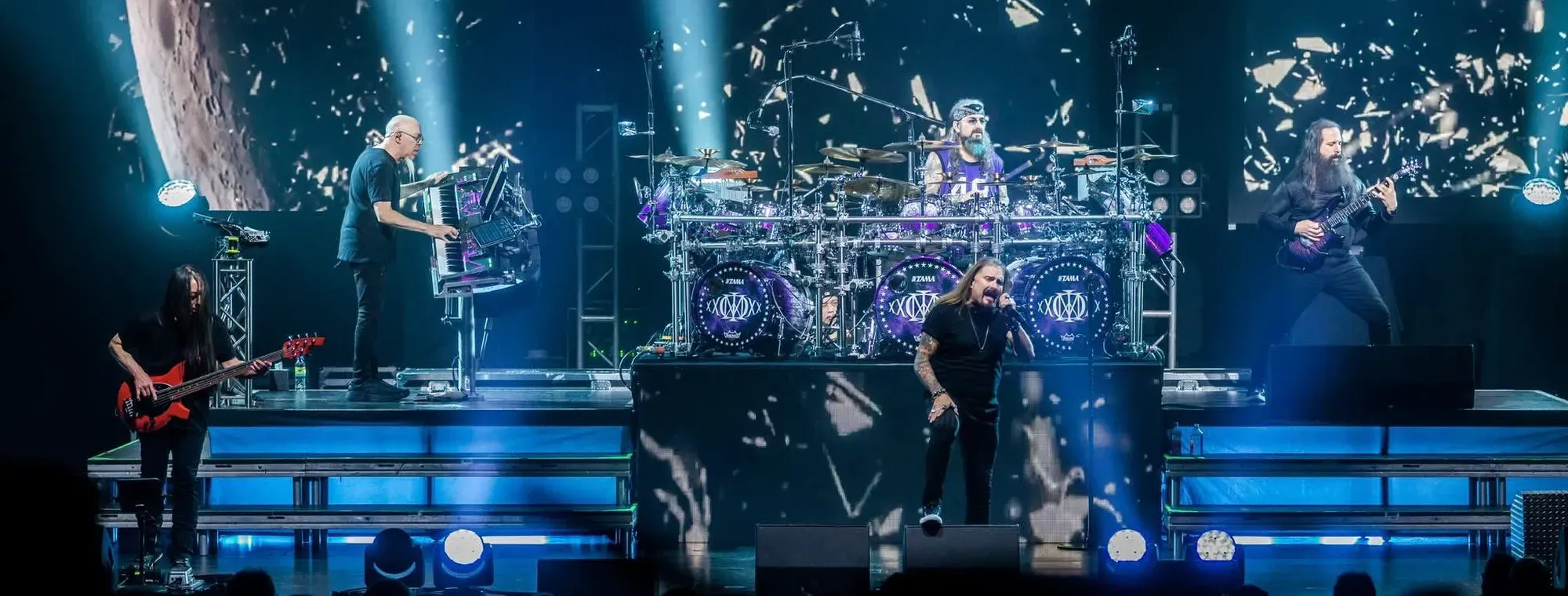
North American band Dream Theater are about to release their new album, the self-titled Dream Theater, which their guitarist and current leader, John Petrucci, talks to us about at length. In this case we focus the interview on the album and the current situation of the kings of contemporary progressive rock/metal. Here you have the document:
Rafa Basa: Hi John, let’s talk about the new album and a few other things.... To begin, I would like you to describe to us in general terms what, in your opinion, this new album is like.
John Petrucci: Well, the first thing is to say that this is the first album that Mike Mangini has been involved with since the beginning, both creatively and in the studio. So among other things you’re going to hear some great drum work that Mike and I have worked on. Then, it’s a very deep and powerful album, it has a lot of diversity and the style is quite varied as well, with songs that are different from each other. It’s a Dream Theater album but we didn’t try to make a powerful and strong album per se, it just came out that way. Anyway, it’s heavy but very melodic at the same time.
RB: Please tell us in depth details regarding the production of the album... What is the most remarkable thing about it? What details are you most proud of? What did you want to overcome and achieve on this album in terms of recording and production concepts?
JP: This album, in this sense, is a bit different this time. First of all, the sound engineer Rich Chycki [Aerosmith, Rush], is the first time he’s done engineering and mixing for us, and from the first compositions we’ve been working hand in hand with the sound. I mean now we have controlled a lot of the sound we wanted from the early creative stages. I produced and Rich mixed, and the idea was that at all times it should sound very alive and powerful. We wanted the guitars to literally pop out of the speakers and the drums to really hit. We were looking for the sound to have a certain attitude, so to speak, which for me is one of the most important things when I produce.
RB: What was the overall songwriting process like? You are a band with complicated songs, with a lot of difficult parts and I guess for Dream Theater one of the keys is the songwriting. How has it been in this case?
JP: The first thing was to make sure that the songs were the best we could do. Also, now we’ve had plenty of time to make them and work on them, and we could think about the kind of music we wanted to make, the direction the songs could take and even the kind of record we wanted to make. We had some conversations beforehand about this, and then in the studio we were able to work calmly on some of the ideas that were coming out. We wanted to make sure that the content of the songs was the best we could get.
We spent a lot of time developing especially the melodies and vocal parts, and also trying out progressions and arrangements. And involving Mike a lot in the progress, trying to take him to another level, that we wanted him to increase his abilities as a drummer but also as a composer and as a band member. But come on, it’s been an album that, as always, is an adventure and one that I think we’ve managed to grab you, hit you and get you into it. It’s got a lot of power but a lot of melody as well, which is something we’ve focused on a lot on this album.
RB: Let’s talk about some songs... What is the first single ‘The Enemy Inside’ like for you? What can you tell us about this first song on an instrumental and general level?
JP: When we wrote ‘The Enemy Inside’ we didn’t think it was going to be a single, first because we don’t write songs like that, and second because it’s a fast, technical song, but from the first moment people heard it they stuck with it. So it was like, “Well, OK, we chose this one.” [laughs] Thinking about it, and taking into account that it’s kind of the first song (after the intro), it’s also good to start the shows, it has a lot of power and energy and it can catch people’s attention. So, it’s a powerful, technical song that stays very well.
RB: Let’s talk about ‘False Awakening Suite’, the opening intro... It sounds like a cinematic metal opening with progressive touches...
JP: The idea was to make some kind of song that we could use to open the shows on the new tour. We’ve always used some kind of dramatic intro, background music like that before we go on stage, but we did not have a song or composition 100% our own for this. Sometimes it’s been parts of soundtracks or things like that, but we wanted our own piece, you know, our own instrumental music for that. And not only for the album but for the live shows, something cinematic but not too long but just an introduction, I tell you. And to convey that what’s coming is exciting, you know, so that’s why we made this song.
RB: ‘The Looking Glass’ is a great melodic track where you do an excellent job. It might even recall the atmosphere and inspiration of Images and Words....
JP: It’s a somewhat different type of song from the others on the album. ‘The Looking Glass’ is something I wanted to write as a great pavilion rock song, with a memorable and recognizable guitar riff. I spent a lot of time in the studio trying to develop a riff like that, and that kind of thing is definitely a challenge. I just didn’t want a riff that I might have done before, I wanted to create something totally new, unique and interesting. Then, it’s a positive, energetic, intense kind of song... I’m telling you, it’s a little bit different from the rest of the album.
RB: And if in ‘The Looking Glass’ there is a lot of guitar, in ‘The Bigger Picture’ the piano, keyboard and so on shine more. How are Rudess’ piano arrangements in ‘The Bigger Picture’? Please tell me about this song...
JP: Yes, and it’s also a great centerpiece of the album. In a way the album floats on this track, which is in the middle part of the album and tries to showcase a little bit of the band members’ abilities. For example James LaBrie does a spectacular job on the track, and on the album in general he has sung incredibly, reaching parts or tones that no one else can sing. Anyway, within the balance of the album, this would be one of the ones that contributes the melodic point, the ones that contributes it the most, I mean.
RB: And what about the 22-minute epic, ‘Illumination Theory’? Does it define and include all of DT’s current musical storylines?
JP: On all the albums we have at least one really long song. In this case it is a very epic piece of music and we wanted to close the album with something like this. It has several different atmospheres within the same song, it even transmits several different moods. Anyway, and as I was saying before, I think that in this album everyone has their chance to show off, to shine and to show their capabilities, and especially this is shown in this song. It is also a very adventurous song in the sense that it has everything, and also allows many possibilities when it comes to playing it live, even including an orchestra or whatever, the solo parts... It’s quite an experimental adventure, a truly epic piece of music, which is what we were trying to do in this case.
RB: Will it be a piece that you will play in its entirety on the tour?
JP: Yes, yes, without a doubt, in fact we are already waiting for the moment to be able to play it live.
RB: Do you want to talk about any other specific song or something related to the album that you want to review in this sense?
JP: Well, we thought it would be interesting to include an instrumental only song, and that’s why we did ‘Enigma Machine’. It’s a fun song because on the one hand it’s dark and heavy, but on the other hand it’s very hard and very rhythmic, with great drum moments, with great bass moments, guitar solos, keyboard solos.... It’s one of those songs that is already fun to write and record, so I can’t wait to enjoy playing it live.
RB: How is your work as a guitarist on the album? Describe it please... Have you rediscovered yourself? Have you discovered any new instrumental and guitar facets on the album, in any specific song?
JP: Anyone who knows us, and who knows me, knows that we will always try to do something different. At the guitar level, I wanted it to sound direct and I wanted the sound treatment to be different anyway, which is something Rich Chycki has worked a lot on in the mixes. In his work as an engineer he has tried to make all the instruments sound powerful, and we both also wanted to make sure that the record had all the elements that make Dream Theater a powerful band. So, we wanted it to be heavy, we wanted it to be really progressive and in a way to go a little bit to the roots of progressive rock but without moving away from all the elements that the band is known for, so the whole approach would have to be really melodic as well. For this the vocals and melodies were very important, both vocal, keyboard and guitar.
RB: Tell me about your bandmates’ work on the album. How is James LaBrie’s vocal work?
JP: The first thing is to say that James is an incredible singer, and he can do a lot of things with his voice. Musically, Dream Theater covers many styles within the same proposal, sometimes we play heavier and faster, then we do something more upbeat and positive, then we do something darker and then we go back to a more beautiful melody.... And for the vocalist the challenge is to be able to sing all this and transmit those same sensations and emotions that we try to look for with the music. There are singers who can only sing aggressively, for example, or are more melodic... but James can do it all, sing in all these styles that Dream Theater has. It’s just that his voice can sound beautiful and breathy, bright... and then all of a sudden it becomes sour, powerful, aggressive, or personal and with attitude. I already told you that voices and melodies are really important to us, and it has been that way from the beginning, that we’ve always tried to make songs that people can relate to, not just long pieces of music, you know, that you can sing along to or whatever. And on this album exactly the same thing, of course.
RB: It’s clear that in Dream Theater it’s very important to couple the guitar and keyboard parts with the rhythm base of John Myung’s bass and now Mike Mangini’s drums. How have the contributions of John Myung’s bass base been? What has been the best thing about his work?
JP: This is one of the things that I have tried to take into account when it comes to production, and that is that each one has their space in the sound and in the band itself. I mean not only at the level of the music but also the sound itself. I think John’s bass playing, and also Mike’s playing is awesome on this album. One of the things that both me and Rich have been looking for a lot this time is to keep the attitude in the sound, that you can feel what’s going on with the bass and drums.... But either way I want each instrument to have space, personality and its own place, and I think that’s something you can hear very well throughout this album. The idea then is that each instrument can stand on its own, and the same with the rhythm guitar or the keyboard, and it’s up to the arranging, production and mixing to get that 100%.
RB: I imagine that drummer Mike Mangini is already fully engaged in DT, but what has he contributed and innovated to the new CD?
JP: Well, after A Dramatic Turn of Events, the recording of that album and 15 months of touring together, we can now say that we know him perfectly well. And I mean both personally and musically, so this time since we entered the studio at the beginning of January we already had a special connection with Mike. I mean we already feel like he’s 100% part of Dream Theater, and now he’s been involved with the album from the beginning, so it’s all been a natural feeling and we’ve all felt really comfortable in the studio on this one.
He’s brought a lot of good ideas and helped us take the music on the album a little bit further, and he’s contributed creatively with different drum rhythms, ideas and suggestions of all kinds.... The truth is that I can only say that there is and has been great chemistry between Mangini and the band in every way. It has been a great experience in every way to record this album with him, we have had a great time and we have laughed a lot.
RB: We had the opportunity to interview him in person the last time you played in Madrid and we found him to be a really interesting and charming guy, as well as a brilliant musician. I guess these kinds of things make it easy and productive to work with...
JP: Yeah, yeah, no doubt. Mike is a charming and great guy, and he’s very easy to work with not only because of his incredible talent as a musician and drummer in particular, but he’s a friendly, humorous, intelligent guy and a good person, I can’t say anything else. The truth is that we couldn’t feel more fortunate to have him in Dream Theater.
RB: Speaking of the tour to finish... What ideas do you have for the set-up of the next tour and for the upcoming DT shows in general?
JP: The first thing is to say that there are not going to be supporting bands this time but rather we are going to play only Dream Theater and that there are going to be two sets at the concerts. Right now we are working on what the new show will be, so little by little we are developing what will be the stage itself, the content of the screens, the video projections, lights and things like that. In the next few months it will be totally finished so that when we come to Spain again you will be able to see a great show and the best show we have ever had so far. We are very excited about this new tour, and with the possibility of being able to offer a lot of new music live again and to play these new songs in the concerts of this upcoming tour. It’s going to be great!
RB: You have already played in Spain many times and each time in bigger venues and performing larger concerts. On this tour you will once again pass through here, what do you want to say to the fans of our country regarding the performances in January 2014?
JP: We love coming to Spain because it is also one of the first countries we started to go to on a regular basis on our first European tours. We have been many times already in our career and they have always been great gigs, the Spanish Dream Theater fans are amazing. The audience in your country is very enthusiastic, they give us a lot of energy and joy at the concerts, they sing all the songs very loudly.... Also, we really like the cities we have already visited there, so we love to come back to your country and from here I want to thank all our fans in Spain for being there from the beginning and having always continued with us.
RB: We end here, John, thank you very much for your time and how do you want to close the interview?
JP: Thanks to you and to our people. We have been together for 12 albums and more than 20 years and we know that we have fans in Spain that have been following us since the beginning, which we appreciate very much and I want to thank them all from the bottom of my heart, so we are looking forward to returning once again!
Original text
Entrevista con John Petrucci de Dream Theater
17 septiembre, 2013, 4:19pm
Los norteamericanos Dream Theater están a punto de editar su nuevo trabajo, un homónimo "Dream Theater", del que nos habla largo y tendido su guitarrista y líder actual, John Petrucci. En este caso centramos la entrevista en el disco y la actualidad de los reyes del rock/metal progresivo contemporáneo. Aquí tenéis el documento:
– Hola John, vamos a hablar del nuevo álbum y algunas cosas más... Para empezar, me gustaría que nos describieras a grandes rasgos como es, en tu opinión, este nuevo álbum.
John.- Bueno, lo primero es decir que este disco es el primero en el que participa Mike Mangini con nosotros desde el principio, tanto creativamente como en el estudio. Así que entre otras cosas vais a escuchar un gran trabajo de batería que hemos trabajado entre Mike y yo. Luego, es un disco muy profundo y poderoso, tiene mucha diversidad y el estilo es bastante variado también, con canciones diferentes entre sí. Es un disco de Dream Theater pero no hemos buscado hacer un álbum potente y fuerte en sí sino que ha surgido así. De cualquier manera, es heavy pero muy melódico a la vez.
– Por favor, háblanos en profundidad de detalles en cuanto a la producción del álbum se refiere... ¿Qué es lo más destacable de ella? ¿De qué detalles te sientes más orgulloso? ¿Qué has querido superar y conseguir en este disco en cuanto a los conceptos de grabación y producción?
John.- Este disco, en este sentido, es un tanto diferente esta vez. En primer lugar, Richie Chycki (Aerosmith, Rush), el ingeniero de sonido, es la primera vez que hace de ingeniero y también las mezclas para nosotros, y desde las primeras composiciones hemos trabajado mano a mano con el sonido. Quiero decir que ahora hemos controlado mucho el sonido que queríamos desde las primeras fases creativas. Yo he producido y Richie mezclado, y la idea era que en todo momento sonara muy vivo y poderoso. Queríamos que las guitarras se salieran literalmente de los altavoces y que la batería realmente golpeara. Buscábamos que el sonido tuviera cierta actitud, por decirlo así, que para mí es de las cosas más importantes cuando produzco.
– ¿Cómo ha sido el proceso en general de composición de los temas? Sois una banda con canciones complicadas, con muchas partes difíciles y supongo que para Dream Theater una de las claves es la composición. ¿cómo ha sido en este caso?
John.- Lo primero era asegurarnos de que las canciones fueran las mejores que pudiéramos hacer. Además, ahora hemos tenido bastante tiempo para hacerlas y trabajar en ellas, y podíamos pensar en el tipo de música que queríamos hacer, la dirección que podían llevar las canciones e incluso el tipo de disco que queríamos hacer. Hemos tenido algunas conversaciones previas sobre esto, y luego en el estudio hemos podido trabajar con calma sobre algunas ideas que iban saliendo. Queríamos estar seguros de que el contenido de las canciones era el mejor que podríamos conseguir.
Hemos pasado mucho tiempo desarrollando especialmente las melodías y las partes vocales, y también probando las progresiones y los arreglos. E involucrando mucho a Mike en el progreso, tratando de llevarle a otro nivel, que queríamos que incrementara sus habilidades como batería pero también como compositor y como músico de banda. Pero vamos, ha sido un álbum que, como siempre, es una aventura y que creo que hemos conseguido que te atrape, te golpee y que te meta dentro. Tiene mucha fuerza pero mucha melodía también, que es algo en lo que nos hemos centrado mucho en este disco.
– Hablemos de algunos temas... ¿Cómo es para tí el primer single "The Inside Enemy"? ¿qué nos cuentas de este primer tema en el plano instrumental y general?
John.- Cuando compusimos "The inside enemy" no pensamos en ningún momento que fuera a ser single, primero porque no escribimos las canciones así, y segundo porque es un tema rápido, técnico, pero desde el primer momento que la gente lo escuchó se quedó con este tema. Así que fue como "bueno, pues vale, elegimos ésta" (risas). Pensando en ello, y teniendo en cuenta que es un poco el primer tema (después de la intro), viene bien también para comenzar los shows, que tiene mucho poderío y energía y puede captar la atención de la gente. Entonces, es una canción poderosa, técnica y que se queda muy bien.
– Hablemos de "False Awakening Suite", la intro de comienzo... Parece una apertura cinematográfica metalera con toque progresivos...
John.- La idea era hacer una especie de canción que pudiéramos usar para abrir los conciertos de la nueva gira. Siempre hemos usado algún tipo de intro dramática, de música así de fondo antes de salir a escena, pero no teníamos una canción o composición propia 100% para esto. A veces han sido partes de bandas sonoras o cosas así, pero queríamos nuestra propia pieza, ya sabes, nuestra propia música instrumental para eso. Y no sólo para el disco sino para los shows en directo, algo cinematográfico pero que no fuera demasiado largo sino sólo una introducción, ya te digo. Y que transmitiera que lo que viene es excitante, ya sabes, así que para esto hicimos esta canción.
– "The Looking Glass" es un gran tema melódico donde tú haces un excelente trabajo. Incluso podría recordar los ambientes e inspiración de "Images and Words"...
John.- Es un tipo de canción un tanto diferente de las otras del disco. "The looking glass" es algo que quería escribir en plan gran canción de rock de pabellón, con un riff de guitarra memorable y reconocible. Pasé bastante tiempo en el estudio tratando de desarrollar un riff así, y es que este tipo de cosas sin duda son un reto. Es que no quería un riff que pudiera haber hecho otras veces sino crear algo totalmente nuevo, único e interesante. Luego, es un tipo de canción positiva, con energía, intensa... ya te digo que es un tanto diferente del resto del disco.
– Y si en "The looking glass" hay mucha guitarra, en "The bigger picture" brilla más el piano, teclado y demás. ¿Cómo son los arreglos de piano de Rudess en "The Bigger Picture"? Hablame de este tema, por favor...
John.- Sí, y además es una gran pieza central del álbum. De alguna manera el disco flota sobre este tema, que está en la parte del medio del disco y trata de mostrar un poco alguna de las capacidades de los miembros de la banda. Por ejemplo James LaBrie hace un trabajo espectacular en el tema, y es que en el disco en general ha cantado increíble, llegando a partes o tonos que nadie más puede cantar. De todos modos, dentro del balance del disco, ésta sería una de las que aporta el punto melódico, de las que más lo aporta me refiero.
– Y, ¿qué decir del tema épico de 22 minutos, "Illumination Theory"? ¿Define e incluye todos los argumentos musicales de DT en la actualidad?
John.- En todos los discos tenemos al menos un tema realmente largo. En este caso es una pieza musical muy épica y es que queríamos cerrar el disco con algo así. Tiene varias y diferentes atmósferas dentro de una misma canción, incluso transmite varios estados de ánimo distintos. De todos modos, y como te decía antes, creo que en este disco todo el mundo tiene su oportunidad de lucirse, de brillar y de mostrar sus capacidades, y especialmente esto se muestra en este tema. Es una canción muy aventurera también en el sentido de que tiene de todo, y además admite muchas posibilidades a la hora de tocarla en directo, hasta incluir una orquesta o lo que sea, las partes de los solos... Es toda una aventura experimental, una pieza musical realmente épica que es lo que tratábamos de hacer en este caso.
– ¿Será una pieza que tocaréis completa en la gira?
John.- Sí, sí, sin duda, que de hecho estamos ya esperando el momento de poder interpretarla en directo.
– ¿Te apetece hablar de algún tema más en concreto o algo relacionado con el disco que quieras reseñar en este sentido?
John.- Bueno, nos pareció que sería interesante incluir un tema sólo instrumental, y por eso hemos hecho "Enigma machine". Es un tema divertido porque por un lado es oscuro y heavy, pero por otro lado es muy dura y muy rítmica, con grandes momentos de batería, con grandes momentos de bajo, solos de guitarra, solos de teclado... Es una de esas canciones que ya es divertida de componer y de grabar, así que no puedo esperar a disfrutar tocándola en directo.
– ¿Cómo es tu trabajo como guitarrista en el álbum?, descríbelo, por favor... ¿Te has re-encontrado a tí mismo? ¿Has descubierto alguna nueva faceta instrumental y guitarrística en el álbum, en alguna canción concreta?
John.- Cualquiera que nos conozca, y que me conozca a mí, sabe que siempre vamos a tratar de hacer algo diferente. A nivel de la guitarra, quería que sonara directo y que de todos modos el tratamiento del sonido fuera diferente, que es algo en lo que ha trabajado mucho Richi Chycki en las mezclas. En su labor de ingeniero ha tratado que todos los instrumentos suenen poderosos, y además ambos queríamos asegurarnos de que el disco tuviera todos los elementos que hacen de Dream Theater una banda potente. Así, queríamos que fuera heavy, que fuera realmente progresivo y de alguna manera que fuera un poco a las raíces del rock progresivo pero sin alejarse de todos los elementos por los que se nos conoce a la banda, con lo que toda la propuesta tendría que ser también realmente melódica. Para esto eran muy importantes las voces y las melodías, tanto vocales como de teclado y de guitarra.
– Háblame del trabajo de tus compañeros en el disco. ¿Cómo es el trabajo de voz de James LaBrie?
John.- Lo primero es decir que James es un increíble cantante, y que puede hacer muchas cosas con su voz. Musicalmente, Dream Theater abarca muchos estilos dentro de una misma propuesta, que a veces tocamos más heavy y rápido, luego hacemos algo más alegre y positivo, después otra cosa oscura y volvemos a pasar a una melodía más preciosista... Y para el vocalista el reto está en poder cantar todo esto y transmitir esas mismas sensaciones y emociones que tratamos que buscar con la música. Hay cantantes que sólo pueden cantar de manera agresiva, por ejemplo, o son más melódicos... pero James puede hacerlo todo, cantar en todos estos estilos que tiene Dream Theater. Es que su voz puede sonar bonita y con mucha respiración, brillante... y luego de repente se vuelve agria, poderosa, agresiva, o personal y con actitud. Ya te digo que las voces y las melodías son realmente importantes para nosotros, y lo ha sido así desde el principio, que siempre hemos intentado hacer canciones con las que la gente se pueda identificar, no sólo largas piezas musicales, ya sabes, que se puedan cantar o lo que sea. Y en este disco exactamente lo mismo, claro.
– Está claro que en Dream Theater es muy importante el acoplar las partes de guitarra y teclado con la base rítmica del bajo de John Myung y ahora la batería de Mike Mangini. ¿Cómo han sido las aportaciones de la base de bajo de John Myung? ¿Qué ha sido lo mejor de su trabajo?
John.- Esto es una de las cosas que he intentado tener más en cuenta a la hora de la producción, y es que cada uno tenga su espacio en el sonido y en la banda en sí. Quiero decir que no sólo a nivel de la música sino también del propio sonido. Creo que el bajo de John, y también la manera de tocar de Mike es impresionante en este trabajo. Una de las cosas que tanto yo como Richi hemos buscado mucho esta vez es que se mantenga la actitud en el sonido, que puedas sentir lo que está pasando con el bajo y la batería... Pero de cualquier manera quiero que cada instrumento tenga espacio, personalidad y su propio lugar, y creo que es algo que se puede escuchar muy bien a lo largo de todo este disco. La idea entonces es que cada instrumento se pueda mantener por sí mismo, e igual con la guitarra rítmica o el teclado, y es labor de los arreglos, la producción y la mezcla el conseguirlo al 100%.
– Me imagino que el batería Mike Mangini está totalmente acoplado ya en DT, pero, ¿qué ha aportado e innovado en el nuevo CD?
John.- Bueno, después de "A dramatic turn of events", la grabación de ese disco y 15 meses de gira juntos, ya podemos decir que le conocemos perfectamente. Y me refiero tanto personalmente como a nivel musical, así que esta vez desde que entramos al estudio a primeros de enero ya teníamos una conexión especial con Mike. Quiero decir que ya sentimos que es 100% parte de Dream Theater, y ahora además ha estado involucrado en el disco desde el principio, así que todo han sido sentimientos naturales y todos nos hemos sentido realmente cómodos en el estudio en este caso.
Él ha aportado un montón de buenas ideas y nos ha ayudado a llevar la música del disco un poco más allá, y ha contribuido creativamente con diferentes ritmos de batería, ideas y sugerencias de todo tipo... La verdad es que sólo puedo decir que hay y ha habido una gran química entre Mangini y la banda en todos los sentidos. Ha sido una gran experiencia en todos los sentidos grabar con él este disco, lo hemos pasado muy bien y nos hemos reído muchísimo.
– Nosotros tuvimos la oportunidad de entrevistarle en persona la última vez que tocasteis en Madrid y nos pareció un tipo encantador y realmente interesante, además de un músico brillante. Supongo que este tipo de cosas hacen que sea fácil y productivo trabajar con él...
John.- Sí, sí, sin duda. Mike es encantador y un gran tipo, y es muy fácil trabajar con él no sólo por su increíble talento como músico y batería en concreto, sino que es un tío amigable, con buen humor, inteligente y buena persona, no puedo decir otra cosa. La verdad es que no nos podemos sentir más afortunados de tenerle en Dream Theater.
– Hablando de gira para ir terminando... ¿Qué ideas tenéis para el montaje del próximo tour y para los próximos conciertos de DT en general?
John.- Lo primero es decir que no va a haber bandas teloneras esta vez sino que vamos a tocar sólo Dream Theater y que va a haber como dos sets en los conciertos. Ahora mismo estamos trabajando en lo que será el nuevo espectáculo, así que poco a poco estamos desarrollando lo que será el escenario en sí, el contenido de las pantallas, las proyecciones de vídeo, luces y cosas así. En los próximos meses estará totalmente terminado para que cuando lleguemos a España de nuevo podáis ver un gran espectáculo y el mejor show que nunca hayamos tenido hasta ahora. Estamos muy excitados de cara a esta nueva gira, y con la posibilidad de poder ofrecer mucha nueva música en directo de nuevo y de tocar estas nuevas canciones en los conciertos de esta próxima gira. ¡Va a ser genial!
– Habéis tocado ya muchas veces en España y cada vez en sitios más grandes y dando conciertos más multitudinarios. En esta gira una vez más pasaréis por aquí, ¿qué quieres decirle a los fans de nuestro país en cuanto a las actuaciones de enero de 2014?
John.- Nos encanta venir a España porque además es uno de los primeros países a los que comenzamos a ir de manera habitual en las primeras giras europeas. Hemos estado muchas veces ya en nuestra carrera y siempre han sido conciertos geniales, que los fans españoles de Dream Theater son increíbles. El público de vuestro país es muy entusiasta, nos dan mucha energía y alegría en los conciertos, cantan muy alto todas las canciones... Además, nos gustan mucho las ciudades que ya hemos visitado allí, así que adoramos volver a vuestro país y desde aquí quiero dar las gracias a todos nuestros seguidores en España por estar ahí desde el principio y haber seguido siempre con nosotros.
– Terminamos aquí, John, muchas gracias por tu tiempo y, ¿cómo quieres cerrar la entrevista?
John.- Gracias a vosotros y a nuestra gente. Llevamos 12 discos y más de 20 años juntos y sabemos que tenemos fans en España que nos siguen desde el principio, lo que apreciamos muchísimo y les quiero dar las gracias a todos ellos de corazón. ¡Así que estamos deseando volver una vez más!