

Originally published in Rafa Basa.com · February 2012
Interesting interview with Mike Mangini in Madrid
By Rafa Basa · 28 February, 2012, 11:06pm
InterviewTranslatedMike Mangini39 min read
Translated from the original language with DeepL, so the wording may differ from what was actually said.
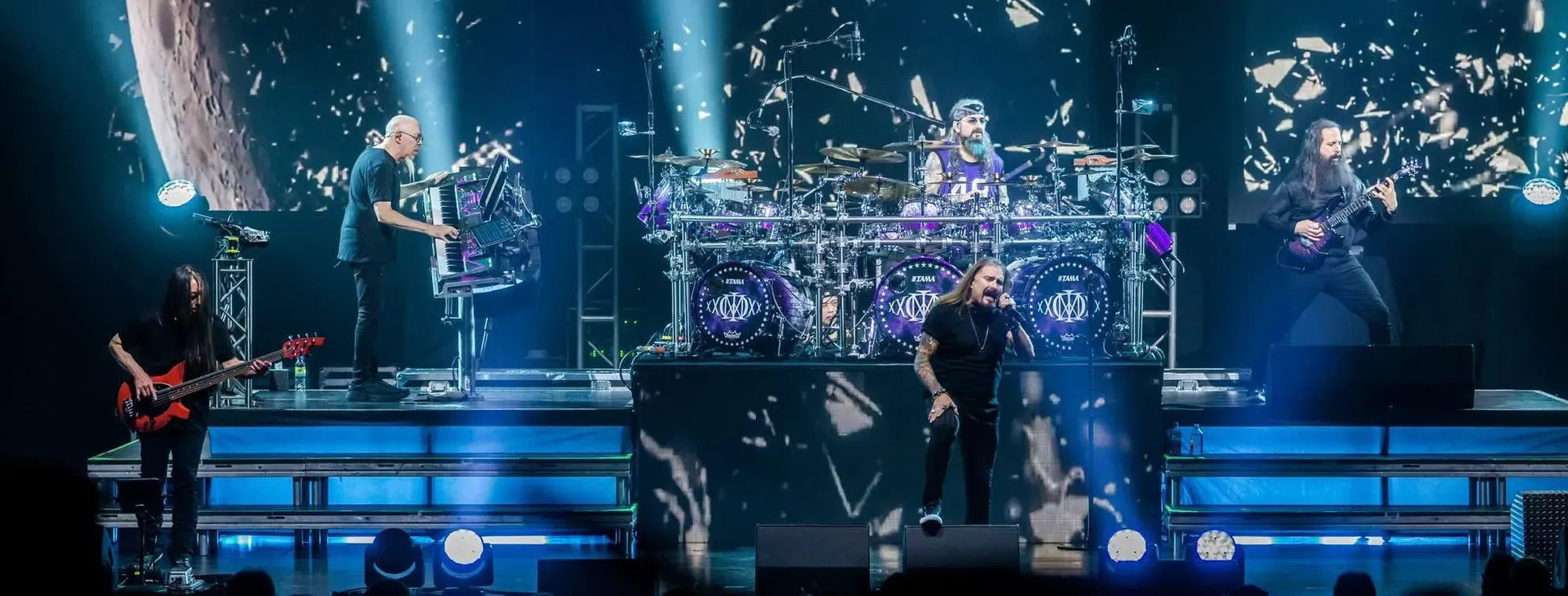
Last Saturday we had the opportunity to interview Mike Mangini (at the Palacio de Vistalegre itself) a few hours before the Dream Theater concert in Madrid. In this case we focused on getting to know a bit more about the new drummer of the renowned American band, although we also discussed some of the band’s current issues. Mangini is a really charming guy, very talkative, and he told us many interesting things that you can read here:
Rafa Basa: Hi Mike, it’s a pleasure to greet you and to be able to do this interview a few hours before the concert here in Madrid.
Mike Mangini: Hello, greetings to all of you, nice to talk to you. Ask anything you want!
RB: In this interview we are going to talk about the band but we are also going to talk about you, you are the new guy... To begin with, how would you define yourself as a drummer? What are your main qualities?
MM: Well, I think one of my main skills is knowing how to recognize talent. I mean that I have enough knowledge to know what kind of people I can play with and above all, on a more personal level, to know what I can do without problems and those things I have to practice more. In fact I think that in any aspect of life, even in a war for example, the key factor is always information and knowledge, so if a drummer goes to war he has to have the knowledge to know where he is going. [laughs] No, but I mean knowing what is there, recognizing at every moment what you are doing and playing directly, without thinking too much but without failure.
RB: Everybody, or at least many people, see you as Mike Portnoy’s replacement, which is logical and inevitable. What are the differences between you and him as a drummer?
MM: Yes, it is clear that I have taken Mike’s place but what I can’t do is to assume his heart in the band. I mean, I can play like him, understanding what I mean, but neither in the structure of the band nor for the fans can I simply take on his role. On the other hand, he has always had and has quite a few projects of all kinds, because it’s something he enjoys a lot and he also likes to be working and busy all the time. Even within Dream Theater he was always with records, DVDs and a lot of work on an organizational level outside of his actual drumming position. Furthermore, he is not a guy who likes to practice the instrument all the time but he also dedicates himself to many other things, and I am the opposite, I like to practice as much as I can.
So in a way my joining the band has been a natural process in that sense because he wanted to do a lot of other projects and in the end he quit and left Dream Theater, whereas my heart is always close to the drums 100%. I want to play, I want to practice and I also want to further develop the amazing drum set that I have, but everything is focused on the instrument for me. In fact, as of today my main points of focus are on trying to develop my playing to be a better drummer all the time, and also finish squaring and fitting my relationship with the rest of the members in the band on the level of stage chemistry or whatever you want to call it, because I’m still the new guy in that sense. So for me the main difference between Mike [Portnoy] and myself is maybe in the heart, that we have it at different points and our interests are different today.
RB: Interesting reflection, Mike...
MM: The thing is that hitting the drums is something that... well, not that everybody can do but in a way they can. And what is certain is that it is an art or a discipline in which people can improve a lot just by practicing. And I say anyone, I assure you, I am a teacher and I know what I’m talking about, because if I didn’t believe this I really couldn’t teach anything. If I knew that my students couldn’t grow as drummers I wouldn’t be teaching anything I do, but I know for sure that if you practice you can improve a lot with the drums. That’s what I mean about the heart, and the fact is that my heart is here now and his was not.
RB: How is Portnoy, in your opinion, technically? To what extent and in what sense have you adapted your style to his rolls, counter-tempos... that he played in the old songs that you now play live?
MM: This is easy for me because it’s a matter of respect, for him and what he has created with his playing, compositions and so on. I remember when I joined the band and at the beginning all the questions were a little bit focused on how I was going to change his style or his legacy in some way but I don’t want to do this. I’m telling you it’s a matter of respect, and I respect a lot what he did in the songs and as a fan, I just wouldn’t want to hear different things in the songs, and so I don’t do it. That’s why I respect his parts so much and I respect the fans with this because they want to hear the songs as they are, and I also respect the rest of the band in this sense that they have also adapted some way of playing to a Mike drum roll or a way of dealing with the bass drum in a song or whatever. So, the work of the heart for me becomes a little bit easier... and I don’t mean that it’s an easy job to copy Mike or something like that, because it’s not, but it becomes easier for me starting from the premise of the respect I have for all this that I’m telling you about.
On the other hand, this is my general attitude in life, and what I do is start from this and contribute my own technique and skills to make it similar. As far as new songs or whatever, I listen to what’s out there and follow the band’s sound a little bit to bring my drumming to it. In fact, I mostly follow John’s [Petrucci] guitar, but come on, I listen to all of them, and then I try to make my drum parts a bit like a classical orchestra. I mean, for example, I listen to what Jordan Rudess does, as the superior artist that he is, and I follow him and add little symbols with my drumming details that complement what he’s doing on the keyboard. Or I look for contrast if sometimes he’s playing in a very low key and I bring in big, powerful drums to complement some of it. It’s funny because Jordan and I see the band in an orchestral way, and we both have that common taste for both classical music and heavy metal.
Anyway, between Portnoy and I there is quite a musical connection despite everything, and we have a lot of points in common, and maybe that’s why I can adapt so well to his parts. We both also have that taste for heavy metal and we like similar drummers, for example, and we both have a very particular energy when playing. In the end the fact is that I have a great respect for Mike, for the fans and for the band, and then it comes together with that point of classic orchestration with which Dream Theater has always worked and with which I identify myself more than Mike perhaps. I guess this is where the fact arises that somehow his parts or his way of playing and mine are similar, even complementary in a way, but at the same time different.... Sorry for such a long answer, I don’t know if you have understood what I mean.... [laughs]
RB: Don’t worry, I think you have explained yourself very well and I’m sure the fans understand what you are conveying with your words. Let’s go on... When you joined the band, the drums of the new album A Dramatic Turn of Events were already written...
MM: Well I have to say one thing, and the fact is that when I started the drums were actually already composed, so in that sense I had no idea where to start. I mean it was getting into Dream Theater, a very important point in my career, but I had not composed anything that I was going to play. I could have come up with some ideas if I had gotten in earlier, and I compose on other instruments as well, not just drums I mean. Anyway, how could I compete with John Petrucci in terms of composing on guitar? And I could also write lyrics but the thing is that I like music in general, I compose music, not only drums, but the initial agreement with Dream Theater was not to compose music but to play drums, so it was a bit of a relief to start with. And I’ll explain a little bit why...
The fact is that in this band John has always been the main composer, the number one, at least since the first album, where keyboardist Kevin Moore could have been the main composer, but then it has been basically all John’s thing. And today it’s probably Jordan Rudess who is his best partner in that respect, but John is still the main songwriter for Dream Theater. The thing is, Mike didn’t write music on his instrument, and he’s not there anymore, but both John and Jordan programmed all the drum parts, which helped me not to play something wrong on this first album because they created a sketch, a dotted line for me to follow with the drums once I was in the band.
RB: What track are you most proud of in terms of your work and performance on the album?
MM: Of all of them, and the fact that I was able to set the foundation so clearly in this sense in all the songs was a great help because both the rhythms and the rolls were already planned, so for me it was a relief and it took a lot of tension off when it came to joining the band and playing drums on this album. The thing is, I wasn’t there to wreck anything they had done, or even to change it. And the fans know this and also listening to A Dramatic Turn of Events you realize that it’s 100% Dream Theater because in the songwriting, and in fact not even in the playing really, there’s nothing new or different. Mike is not here, OK, and I wasn’t there either when the songs were composed, drum baselines included, and it’s always John Petrucci who is and has always been here in this regard.
In fact, I claim that he and Jordan take full credit for this, who are the ones who have actually been composing most of DT's songs for years. Furthermore, on this new album for example, James LaBrie has also contributed a lot in terms of creating melodies, and even John Myung. And as a fan, I would like to see this, a continuity in this respect and that the band remains the same despite the fact that I have replaced Portnoy. And I don’t care whether I’m in the band or not, what I want is to see these guys playing and writing like they always have. That said, it’s been very easy for me in the band from the beginning and I say that I have the utmost respect for Mike and I recognize that his contribution to the band in the past has been incredible, and I’m very grateful to him for somehow allowing me to now be able to play in a band on the level of Dream Theater and with such incredible drum parts. And now with me those songs stay in the middle in the sense that there’s a new drummer playing them but without losing all the essence of the past.
RB: And then, honestly, what is your opinion, as a musician, of the album A Dramatic Turn of Events?
MM: Well, what impresses me the most and what I like the most about the album is the combination between melody and rhythmic explosion of the songs. Even without a drummer there, John has been able to compose such incredible songs. In fact, it is the work of four people in the background to get a record like that when they still didn’t have a drummer in the band. If any other drummer had come in, the record wouldn’t have changed, it would still be just as good and only my face would have changed in the new photos. [laughs] And I say this with full knowledge of the facts because I can also compose with the keyboard, with the guitar and with the bass as I was saying, but I am not that good....
I mean, as an external composer and as a fan, I am amazed by the album that these guys have composed without drums! For me this gives more value and prestige to this CD, and I think that everything has flowed wonderfully and has resulted in a great album in DT’s discography. Now I’ve been in the band for a year or so, and we’ve toured together and know each other better, so I can be part of the songwriting process for next time and support them in their style, not change anything as maybe I would have if I had already written material for A Dramatic Turn of Events. Now I can be a support in this sense for the future, and I love it.
RB: By the way, what are your favorite songs to play live with Dream Theater and why?
MM: I like them all in general, and again I give all the credit to Mike because when you play them, you realize what an incredible job he did. Just as I said before on a compositional level, now I’m referring to the drumming level, and you realize how good Portnoy is and what he did with the band’s songs live. There is something very special about the band’s songs and Dream Theater in general, which I guess is why the band has so many fans all over the world.
To say specific songs, one of the most interesting to me is ‘The Dark Eternal Night’, which is one of the songs that requires more mental concentration to play. And the same happens with ‘The Dance of Eternity’, which is another song that requires me to give the maximum of my abilities and my mental concentration to be able to perform it. These songs can make me enjoy more at some moments but in others I prefer maybe things like ‘Beneath the Surface’ or ‘The Spirit Carries On’, which are very direct and powerful cuts, and then they leave you feeling like new, you know, very relaxed. I don’t know, it depends on my mood or the moment, I like to play more technical and complex stuff or something more direct.
RB: Changing the subject, I would like you to describe in a few words or a short phrase, how each of your bandmates are musically speaking..... How is John Petrucci, James LaBrie, Jordan Rudess, John Myung? Tell me individually about all four of them, please....
MM: Let me tell you something first about the four of us as a whole... even including myself now. I think the five of us have the utmost respect for the gift that God has given us and we work very hard to use it to the best of our ability to live up to that very important gift that we have. We do our utmost to give thanks for it and honor that talent that we have been given, that’s what I mean. And we do that by practicing as much as possible and then giving it everything we have on stage, respecting each other as a band and also as musicians.
On an individual level, let’s start with James LaBrie, who is incredibly sharp in the way he sings. He’s good in every way, but he’s great at singing on the edge, and he has a voice that no one can replicate. John has a spectacular ability to totally combine melody with metal, who in the world can do it like him? NO ONE. Jordan Rudess has an ability to immediately adapt to anything at a moment’s notice. He is one of the fastest musicians I know to switch from melodic to rhythmic playing, to change from one sound to another almost unnoticed, it’s mind-blowing. Finally, John Myung is totally focused on who he is and what he plays in the band. I mean everything he plays is just perfect every time, he never misses, he never makes a mistake, and it’s very important to give that assurance of perfection to Dream Theater. I’m very passionate about everything I do and also talking about my bandmates, as you can tell, but I’m just thrilled with them and I have a very big admiration for them.
RB: If you were “the boss” of Dream Theater, what would you change or improve?
MM: Well, the truth is that the band is perfect in the state it’s in right now. In fact, and looking at it from the outside for a moment, I assure you that it would be the band I would want to be in, believe me. There is a great atmosphere and there is a great connection between everyone at the studio level, musically, on stage, even at the level of band philosophy, life.... I really feel like a member of the band but even in the sense of a family.
Anyway, if there was a utopian situation in which I was somehow the boss of the business, it is clear that what I would do, or rather I would maintain, without a doubt is the fact of giving autonomy to the people. I mean, let everyone do their job, for example, we are here talking and the lighting engineer is doing his job on stage. And we don’t have to control him, leave him alone to do his job, he knows what he is doing and he is qualified to do it. Perhaps in the past there was much more control in this sense, according to what I have been told, and they always told you a little about what you had to do at each moment, to the video technician, to the sound engineer... So, if I were the boss, I can tell you that I would maintain this atmosphere of trust between us and the personnel we work with.
RB: One more curiosity... Who has historically been your favorite drummer? I imagine that when you started, you would pay special attention to someone...
MM: My main influences have remained a bit since I was a kid, although they are a bit different from other drummers that I like and that also influence me now. The influences from when I was a teenager are the ones that have shaped the drummer I am now, the way I play. And at the same time the same thing has happened to me with the ones I discovered when I was 20, 30 and now in my 40’s, who have also been leading me in one direction or another at all times. For example, one of my first influences was Ringo Starr or Buddy Rich, who had a great perfect mix between swing and speed, and then John Bonham, who is the total example of rock n’ roll, Terry Bozzio, who is the best in terms of artistic expression, Neil Peart at the level of that point of orchestration I was talking about before, the mix between playing in the way of an orchestra in a rock band... All of them have been making the drummer that I am now and have been directing my current path as an instrumentalist and even as a teacher. For example, there are some of my students who take the point of the drums to a more fun or different touch than usual, well, perfect too!
I like Virgil Donati a lot too, who is an amazing guy, or Eric Singer, who is very solid whether with Kiss or doing solo stuff, but he is very good at playing songs in this case, Marco Minnemann too.... It could be anybody and I take little bits and pieces from each one to adapt them to my playing. Maybe when I was very little my main influences came from the Beatles, Motown and Chicago, which were the bands I listened to at home when I was four or five years old. And since I was 20 or whatever I’ve listened to a lot of rock and metal but for example I’ve also been influenced a lot by jazz and fusion drummers like Horacio “El Negro” Hernandez and Dennis Chambers. I think they are the best, really, the best drummers in the world for me are them, and on top of that I’ve been lucky enough to meet and play with them. Anyway, their style is very specific and I don’t want to do that, although Horacio has been key to open my mind as a drummer and has influenced me very, very deeply. I’ve been able to play Brazilian music with him and do a lot of things alongside him in the last 10 years, so he’s one of my biggest influences as a drummer without a doubt. Also Giovanni Hidalgo, I don’t forget him, who is amazing as a percussionist, with bongos and things like that....
On the other hand, you’re giving me a funny face, I also have influences from speed metal, for example, or more extreme music like Nile’s drummer, George Kollias, who is AMAZING. He does with his feet what I do with my hands, so I’m working a lot lately on being able to do the same with my feet as I do with my hands in this sense... Sorry if I talk too much about this [laughs], but I love talking about drums and I always have good things to say about my colleagues or the drummers I like, and many of them are my friends.
RB: It’s OK, I tell you that the more information in the interview, the better... By the way, I also have my favorite drummers. I’ll tell you some names and I’d like you to give me a brief opinion: Simon Philips, Dave Lombardo, Barriemore Barlow (ex-Jethro Tull, Yngwie), Virgil Donati, John Bonham, Terry Bozzio (Frank Zappa)...
MM: Well, all of them are good, and I’ve spoken to you about some of them already... For example, when it comes to playing metal, Lombardo is incredible. In fact, there are very few good drummers that I don’t like or don’t get along with or something like that. What's more, normally the ones I don't like are basically because of the habit that those few musicians have of criticizing what others do and that they take advantage of interviews in a magazine or whatever to throw shit at other musicians. I don’t know, take the opportunity to comment on how happy you are, how you play, how good a drummer you are, but why talk bad about others?
I especially get sick of the little group of drummers who, whenever they have the opportunity, don’t stop throwing shit on musicians like me with a great drum set, or that mess with the speed with which a certain drummer plays or something like that. For me, they could throw themselves into a frozen lake, which would be better for all of us, I just don’t care about those people, I don’t want to waste my time with them, but that attitude bothers me. I don’t mind saying it publicly, and they are a bad influence, and if you don’t like the way I play, great, but discuss it with your friends or your girlfriend, but what’s the point of these kind of constant statements in specialized magazines or whatever? I don’t know, I can say in a small group that I don’t like someone but then comment that I like the way they play, and that’s fine, but to criticize a musician simply because they don’t play the way you like, I don’t get it.
It’s just that many times I’ve read things in drum magazines against my friends like Virgil Donati, Marco Minnemann or myself alleging things like we don’t know how to groove or play with a small drum set. What’s the point of that? I don’t know, we should support each other and learn from each other to be better instead of criticizing and saying stupid things. Why do you assume that I can’t play with rhythm or feeling just because I play fast? It’s absurd! If you also don’t know my background playing jazz, blues.... The thing is that these assholes annoy me, and I don’t mind saying it, but come on, I prefer to think and speak positively at all times, look for the best in each drummer and learn from them, from everyone. Even from those who may speak badly about me, I also listen to them and try to get something positive out of their playing.
RB: We end here, Mike, we don’t have more interview time, so nothing, I want to thank you for your time and this interesting and nice chat, and wish you a great concert tonight. Say goodbye to the interview as you like, what do you say to your Spanish fans?
MM: Well, I’ve been to Spain more times with Extreme, Steve Vai and some other bands, I’ve even given a couple of clinics, if I remember correctly. I like the beautiful girls in your country, the good food, the wine, all the clichés that we foreigners say here [laughs], but I love to come and play in your country and eat that food, drink your wine and.... I’m just married. [he bites his knuckles in a very funny expression] No, but I love the passion that you transmit for things and I believe in the people and I think that in Spain there are very good people. Finally I send a message to the musicians who may read this interview: do what you love and work hard to be better. Forget about what others say and learn from everyone, without worrying about stupid opinions of others, just find what you like, do what you are passionate about and work and practice hard.
Original text
Interesante entrevista a Mike Mangini en Madrid
28 febrero, 2012, 11:06pm
El pasado sábado teníamos la oportunidad de entrevistar a Mike Mangini (en el propio Palacio de Vistalegre) pocas horas antes del concierto de Dream Theater en Madrid. En este caso nos centramos en conocer algo más del nuevo batería de la reputada banda norteamericana, aunque también tratamos lógicamente algunas cuestiones de la actualidad del grupo. Mangini es un tipo realmente encantador, muy hablador, y que nos contó muchas cosas interesantes que podéis leer a partir de aquí:
– Hola Mike, es un placer saludarte y poder hacer esta entrevista unas horas antes del concierto aquí en Madrid.
Mike.- ¡Hola!, un saludo a todos, encantado de poder hablar con vosotros. ¡Pregunta lo que quieras!
– En esta entrevista vamos a comentar cosas de la banda pero también vamos a hablar de tí, que eres el tipo nuevo... Para empezar, ¿cómo te definirías como batería? ¿Cuáles son tus principales cualidades?
Mike.- Pues yo creo que una de mis principales habilidades es el saber reconocer talentos. Quiero decir que tengo el conocimiento suficiente para saber con qué tipo de gente puedo tocar y sobre todo, ya más a nivel personal, saber lo que puedo hacer yo sin problemas y aquellas cosas sobre las que tengo que practicar más. De hecho pienso que en cualquier aspecto de la vida, incluso en una guerra por ejemplo, el factor clave siempre es la información y el conocimiento, así que si un batería va a la guerra tiene que tener el conocimiento para saber dónde se mete (risas). No, pero me refiero a saber lo que hay, reconocer en cada momento lo que se está haciendo y tocar directamente, sin pensarlo mucho pero sin fallo.
– Todo el mundo, o al menos mucha gente, te ve como el sustituto de Mike Portnoy, lo cual es lógico e inevitable. ¿Qué diferencias hay entre tú y él como batería?
Mike.- Sí, está claro que yo he tomado el puesto de Mike pero lo que no puedo hacer es asumir su corazón en la banda. Es decir, yo puedo tocar como él, entendiendo lo que quiero decir, pero ni en la estructura de la banda ni para los fans puedo tomar su papel sin más. Por otro lado, él siempre ha tenido y tiene bastantes proyectos de todo tipo, porque es algo que disfruta mucho y además le gusta estar trabajando y ocupado todo el tiempo. Incluso dentro de Dream Theater siempre estaba con discos, DVD´s y mucho trabajo a nivel organizativo fuera de su puesto en sí de batería. Además, no es un tipo que le guste practicar todo el tiempo con el instrumento sino que se dedica también a muchas otras cosas, y yo soy lo contrario, que a mí me gusta practicar todo lo que puedo.
Así que de alguna manera mi entrada en la banda ha sido un proceso natural en este sentido porque él quería hacer muchos otros proyectos y al final lo dejó y salió de Dream Theater, mientras que mi corazón siempre está cerca de la batería al 100%. (Yo) Quiero tocar, quiero practicar y además quiero desarrollar aún más el increíble set de batería que tengo, pero todo está centrado en el instrumento para mí. De hecho, a día de hoy mis principales puntos de atención están en intentar desarrollar mi forma de tocar para ser mejor batería todo el tiempo, y también terminar de cuadrar y encajar mi relación con el resto de miembros en la banda a nivel de la química de escenario o como se quiera llamar, porque sigo siendo el nuevo en ese sentido. Así que para mí la principal diferencia entre Mike (Portnoy) y yo quizás sea en el corazón, que lo tenemos en puntos diferentes y nuestros intereses son distintos a día de hoy.
– Interesante reflexión, Mike...
Mike.- El caso es que golpear la batería es algo que... bueno, no que pueda hacer todo el mundo pero en cierto modo sí. Y lo que es seguro es que es un arte o una disciplina en la que la gente puede mejorar mucho sólo practicando. Y digo cualquiera, te lo aseguro, que soy profesor y sé de lo que hablo, porque si no creyera esto de verdad que no podría enseñar nada. Si supiera que mis alumnos no pudieran crecer como baterías seguro que no estaría enseñando nada de lo que hago, pero sé a ciencia cierta que si practicas puedes mejorar muchísimo con la batería. A eso me refiero con lo que digo del corazón, y el caso es que mi corazón ahora está aquí y el suyo no lo estaba.
– ¿Cómo es, en tu opinión, técnicamente Portnoy? ¿En qué medida y sentido has adecuado a tu estilo sus redobles, contratiempos... que él tocaba en los antiguos temas que ahora tú tocas en directo?
Mike.- Esto es fácil para mí porque se trata de una cuestión de respeto, hacia él y hacia lo que él ha creado con su forma de tocar, composiciones y demás. Recuerdo cuando entré en la banda y al principio todas las preguntas iban un poco enfocadas a saber cómo iba a cambiar su estilo o su legado de alguna manera pero es que yo no quiero hacer esto. Ya te digo que es un tema de respeto, y respeto mucho lo que él hacía en las canciones y es que yo no querría como fan escuchar cosas diferentes en las canciones, y por tanto no lo hago. Por eso respeto tanto sus partes y respeto a los fans con esto porque ellos quieren escuchar las canciones como son, y también respeto al resto de la banda en este sentido que también han adecuado alguna manera de tocar a un redoble de Mike o a una forma de tratar el bombo en un tema o lo que sea. Así, el trabajo de corazón para mí se hace un poco más fácil... y no quiero decir que sea un trabajo fácil el copiar a Mike o algo así, porque no lo es, pero se me hace más fácil partiendo de la premisa del respeto que tengo por todo esto que te estoy comentando.
Por otro lado, ésta es mi actitud en general en la vida, y lo que hago es partir de esto y aportar mi propia técnica y habilidades para que sea similar. En cuanto a nuevos temas o lo que sea, escucho lo que hay y sigo un poco el sonido de la banda para aportar mi batería. De hecho, sobre todo sigo la guitarra de John (Petrucci), pero vamos, los escucho a todos, y luego mis partes de batería intento que sean un poco como si de una orquesta clásica se tratara. Quiero decir que por ejemplo escucho lo que Jordan Rudess hace, como un artista superior que es, y le sigo y aporto pequeños símbolos con mis detalles de batería que complementen a lo que está haciendo con el teclado. O busco el contraste si a veces él está tocando en un tono muy bajo y yo aporto una batería grande y potente para complementarlo en parte. Es curioso porque Jordan y yo vemos la banda de una manera orquestal, y es que ambos tenemos ese gusto común tanto por la música clásica como por el heavy metal.
De todos modos, entre Portnoy y yo hay bastante conexión musical pese a todo, y tenemos muchos puntos en común, y quizás por eso puedo adaptarme tan bien a sus partes. Ambos tenemos también ese gusto por el heavy metal y nos gustan baterías parecidos, por ejemplo, y ambos tenemos una energía muy particular tocando. Al final el caso es que tengo un respeto muy grande tanto por Mike como por los fans y por la banda, y luego se junta esto con ese punto de orquestación clásica con el que funciona Dream Theater desde siempre y con el que yo me identifico más que Mike tal vez. Supongo que de aquí surge el hecho de que de alguna manera sus partes o su manera de tocar y la mía son similares, incluso complementarias en cierto modo, pero a la vez diferentes.... Perdona por una respuesta tan larga, que no sé si habéis entendido lo que quiero decir (risas)...
– No te preocupes, creo que te has explicado muy bien y seguro que los fans entienden lo que transmites con tus palabras. Seguimos... Cuando tú llegaste a la banda, ya estaban escritas las baterías del nuevo álbum "A Dramatic Turn of Events"...
Mike.- Pues tengo que decir una cosa, y el caso es que cuando empecé las baterías ya estaban compuestas efectivamente, así que en ese sentido no tenía ni idea de por dónde tirar para comenzar. Quiero decir que era entrar en Dream Theater, un punto muy importante en mi carrera, pero no había compuesto absolutamente nada de lo que iba a tocar. Yo podría haber aportado algunas ideas de haber entrado antes, y es que yo compongo con otros instrumentos también, no sólo con batería me refiero. De todos modos, ¿cómo iba yo a competir con John Petrucci a nivel de componer con la guitarra? Y también podría escribir letras pero el caso es que a mí me gusta la música en general, compongo música, no sólo batería, pero el acuerdo inicial con Dream Theater no era para componer música sino para tocar la batería, así que era un poco un alivio para empezar. Y te explico un poco porqué...
El caso es que en esta banda John ha sido siempre el principal compositor, el número 1, al menos desde el primer disco, donde el teclista Kevin Moore pudo ser el compositor principal, pero luego ya ha sido todo cosa básicamente de John. Y a día de hoy seguramente sea Jordan Rudess su mejor compañero al respecto, pero John es todavía el compositor principal de Dream Theater. El caso es que Mike no escribía música con su instrumento, y ya no está ahí, pero tanto John como Jordan programaron toda la música de las baterías, lo que me ayudó a no ir a tocar algo mal en este primer disco porque ellos crearon un boceto, una línea de puntos para que yo la siguiera con la batería una vez en la banda.
– ¿De qué tema te sientes más orgulloso en cuanto a tu trabajo e interpretación en el disco?
Mike.- De todos, y es que el marcarme la base tan clara en este sentido en todos los temas fue una gran ayuda porque tanto los ritmos como los redobles ya estaban previstos, así que para mí fue un alivio y me quitó mucha tensión a la hora de acoplarme en la banda y tocar la batería en este disco. El caso es que yo no estaba allí para destrozar nada de lo que ellos habían hecho, ni siquiera para cambiarlo. Y los fans saben esto y además escuchando "A dramatic turn of events" te das cuenta de que es 100% Dream Theater porque en la composición, y de hecho ni siquiera en la forma de tocar realmente, hay nada nuevo o diferente. Mike no está aquí, vale, y yo no estaba allí tampoco cuando se compusieron los temas, con las líneas base de batería incluidas, y es que al final es siempre John Petrucci el que está y ha estado aquí siempre a este respecto.
De hecho, reivindico que se lleven el crédito total por esto, él y Jordan, que son los que realmente llevan años componiendo la mayoría de los temas de DT. Además, en este nuevo disco por ejemplo también ha contribuido mucho James Labrie a nivel de crear melodías, e incluso John Myung. Y yo como fan querría ver esto, una continuidad a este respecto y que la banda siguiera siendo la misma a pesar de que yo haya sustituido a Portnoy. Y me da igual que esté yo o no en la banda, lo que quiero es ver a estos tíos tocando y componiendo como siempre. Dicho esto, para mí ha sido todo muy fácil en la banda desde el principio y ya digo que guardo el mayor de los respetos por Mike y reconozco que su contribución a la banda en el pasado ha sido increíble, y le estoy muy agradecido por permitirme de algún modo poder tocar ahora en una banda del nivel de Dream Theater y con unas partes de batería tan increíbles. Y ahora conmigo esos temas se quedan en el medio en el sentido de que hay un nuevo batería que los toca pero sin perder toda la esencia del pasado.
– Y entonces, ¿sinceramente cuál es tu opinión, como músico, del álbum "A Dramatic Turn of Events"?
Mike.- Pues lo que más me impresiona y me gusta del disco es la combinación entre melodía y la explosión rítmica de los temas. Es que incluso sin haber un batería ahí, John ha sido capaz de componer ese tipo de temas tan increíbles. De hecho, es el trabajo de cuatro en el fondo el conseguir un disco así cuando aún no tenían batería en la banda. Es que si hubiera entrado cualquier otro batería, el disco no hubiera cambiado, seguiría siendo igual de bueno y sólo habría cambiado mi cara en las fotos nuevas (risas). Y te lo digo con conocimiento de causa porque yo también puedo componer con el teclado, con la guitarra y con el bajo como te decía, pero no soy tan bueno...
Quiero decir que, como compositor externo y como fan, alucino con el disco que han compuesto estos tíos ¡sin tener batería! Para mí esto le da más valor y prestancia a este CD, y es que creo que todo ha fluido de maravilla y ha dado como resultado un gran álbum en la discografía de DT. Ahora ya llevo un año o así en el grupo, y hemos girado juntos y nos conocemos mejor, con lo que ya puedo ser parte del proceso compositivo para la próxima vez y apoyarles en su estilo, no cambiar nada como quizás sí hubiera sido si ya hubiera compuesto material para "A dramatic turn of events". Ahora ya puedo ser un apoyo en este sentido para el futuro, y me encanta.
– Por cierto, ¿qué temas son tus favoritos de tocar en directo con Dream Theater y porqué?
Mike.- Pues me gustan todos en general, y de nuevo le doy todo el crédito a Mike porque tocándolos te das cuenta del trabajo que hacía, increíble. Al igual que antes lo decía a nivel compositivo, ahora me refiero a nivel de batería, y te das cuenta ahí lo bueno que es Portnoy y lo que hacía con los temas de la banda en directo. Es que hay algo muy especial en las canciones de la banda y en Dream Theater en general, que supongo que es por lo que el grupo tiene tantos fans por todo el mundo.
Por decir temas concretos, una de las más interesantes me parece "The dark eternal night", que es uno de los que me requiere más concentración mental para tocarla. Y lo mismo me pasa con "The dance of eternity", que es otra canción que me exige dar lo máximo de mis capacidades y de mi concentración mental para poder llevarla a cabo. Estos temas me pueden hacer disfrutar más en algunos momentos pero en otros prefiero quizás cosas como "Beneath the surface" o "The spirit carries on", que son cortes muy directos y poderosos, y que luego te dejan como nuevo, ya sabes, muy relajado. No sé, depende de mi estado de ánimo o del momento me gusta tocar cosas más técnicas y complejas o algo más directo.
– Cambiando de tema, me gustaría que en muy pocas palabras o una breve frase, describieras como son musicalmente hablando cada uno de tus compañeros.... ¿Cómo es John Petrucci, James LaBrie, Jordan Rudess, John Myung? Háblame individualmente de los cuatro, por favor...
Mike.- Déjame decirte algo primero sobre los cuatro en conjunto... incluso incluyéndome a mí ahora. Creo que los cinco tenemos un respeto máximo por el regalo que Dios nos ha dado y trabajamos muy duro para utilizarlo de la mejor manera posible y poder estar a la altura de ese regalo tan importante que tenemos. Hacemos lo máximo para dar las gracias por ello y honrar ese talento que nos han dado, a eso me refiero. Y lo hacemos practicando lo máximo posible y luego dando en el escenario todo lo que tenemos, respetándonos como banda y también como músicos.
A nivel individual, vamos a empezar con James LaBrie, que es increíblemente afilado en su manera de cantar. Es bueno en todos los sentidos, pero es genial cantando al límite, y es que tiene una voz que nadie puede replicar. John tiene una capacidad espectacular para combinar totalmente melodía con metal, ¿quién en el mundo lo puede hacer como él? NADIE. Jordan Rudess tiene una habilidad para adaptarse inmediatamente a lo que sea en un momento. Es uno de los músicos más rápidos que conozco en cambiar de tocar melódico a rítmico, en cambiar de un sonido a otro casi sin que se note, es alucinante. Finalmente, John Myung está totalmente enfocado en quién es y lo que toca en la banda. Quiero decir que todo lo que toca es simplemente perfecto siempre, nunca falla, nunca se equivoca, y es muy importante para dar esa seguridad de la perfección a Dream Theater. Yo soy muy pasional con todo lo que hago y también hablando de mis compañeros, como puedes comprobar, pero es que estoy encantado con ellos y les tengo una admiración muy grande.
– Si tú fueras "el jefe" de Dream Theater, ¿Qué cambiarías o mejorarías?
Mike.- Pues la verdad es que la banda está perfecta en el estado en que se encuentra ahora mismo. De hecho, y mirándolo desde fuera por un momento, te aseguro que sería la banda en la que querría estar, créeme. Hay un gran ambiente y hay una gran conexión entre todos a nivel de estudio, musical, en el escenario, incluso a nivel de filosofía de banda, de vida... De verdad que me siento como un miembro más de la banda pero en el sentido de una familia incluso.
De todos modos, si hubiera una situación utópica en la que yo fuera de alguna manera el jefe del negocio, está claro que lo que haría, o mantendría más bien, sin duda es el hecho de darle autonomía a la gente. Quiero decir dejarle a cada uno que haga su trabajo, que por ejemplo ahora estamos aquí hablando nosotros y el ingeniero de luces está haciendo su trabajo en el escenario. Y no le tenemos que controlar, déjale tranquilo que haga sus cosas que sabe lo que está haciendo y está capacitado para ello. Quizás en el pasado había mucho más control en este sentido según me han contado, y siempre te decían un poco lo que tenías que hacer en cada momento, al técnico de vídeo, al ingeniero de sonido... Entonces, si fuera el jefe ya te digo que mantendría este ambiente de confianza entre nosotros y el personal con el que trabajamos.
– Una curiosidad más... ¿Cuál ha sido históricamente tu batería favorito? Me imagino que cuando empezaste, te fijarías especialmente en alguien...
Mike.- Mis influencias principales se mantienen un poco desde que era un chaval, aunque se diferencian un poco de otros baterías que me gustan y me influencian también ahora. Es que las influencias de cuando era un adolescente son las que han dado forma al batería que soy ahora, a mi forma de tocar. Y a su vez lo mismo me ha pasado con los que he ido descubriendo cuando tenía 20, 30 y a estas alturas en los 40, que además me han ido encaminando en una u otra dirección en cada momento. Por ejemplo una de mis primeras influencias fue Ringo Starr o Buddy Rich, que tenían una gran mezcla perfecta entre el swing y la velocidad, y luego ya John Bonham, que es el ejemplo total de rock n´roll, Terry Bozzio, que es el mejor en cuanto a expresión artística, Neil Peart a nivel de ese punto de orquestación que hablaba antes, la mezcla entre tocar al modo de una orquesta en una banda de rock, ... Todos ellos han ido haciendo al batería que soy en estos momentos y han ido dirigiendo mi camino actual como instrumentista e incluso como profesor. Por ejemplo hay alguno de mis alumnos que llevan el punto de la batería a un toque más divertido o diferente de lo habitual, ¡pues perfecto también!
Virgil Donati me gusta mucho también, que es un tipo increíble, o Eric Singer, que es muy sólido ya sea con Kiss o haciendo cosas en solitario, pero es muy bueno tocando canciones en este caso, Marco Minnemann también... Puede ser cualquiera y yo cojo pequeñas partes de cada una para adaptarlas a mi manera de tocar. Quizás cuando era muy pequeño mis influencias principales venían de los Beatles, la Motown y Chicago, que eran las bandas que oía en mi casa con cuatro o cinco años. Y ya desde los 20 o lo que sea he escuchado bastante rock y metal pero por ejemplo también me han influenciado mucho baterías de jazz y de fusión como Horacio "El Negro" Hernández y Dennis Chambers. Es que creo que son los mejores, de verdad, los mejores baterías del mundo para mí son ellos, y encima he tenido la suerte de coincidir y tocar con ellos. De todas formas, su estilo es muy específico y yo no quiero hacer eso, aunque luego sobre todo Horacio ha sido clave para abrir mi mente como batería y me ha influenciado muy, muy profundamente. He podido tocar música brasileña con él y hacer muchas cosas a su lado en los últimos 10 años, así que es una de mis mayores influencias como batería sin duda. También Giovanni Hidalgo, no me olvido de él, que es increíble como percusionista, con bongos y cosas así...
Por otro lado, que me estás poniendo cara rara, también tengo influencias del speed metal, por ejemplo, o de la música más extrema como el batería de Nile, George Kollias, que es INCREÍBLE. Es que él hace con sus pies lo que yo hago con mis manos, así que estoy trabajando bastante últimamente en poder llegar a hacer alguna vez lo mismo con los pies que con las manos en este sentido... Perdona si hablo demasiado sobre esto (risas), pero es que me encanta hablar de baterías y tengo siempre cosas buenas que decir de mis compañeros o de los baterías que me gustan, y es que además muchos de ellos son mis amigos.
– No pasa nada, ya te digo que cuanta más información en las entrevistas mejor... Por cierto, yo también tengo mis baterías favoritos. Te diré algunos nombres y me gustaría que me dieras una breve opinión: Simon Philips – Dave Lombardo – Barrimore Barlow (Ex- Jethro Tull, Yngwie) – Virgil Donatti – John Bonham – Terry Bozio (Frank Zappa)...
Mike.- Pues todos ellos son buenos, y de algunos ya te he hablado antes... Lombardo a nivel de tocar metal es increíble por ejemplo. De hecho, es que hay muy pocos baterías buenos que no me gusten o con los que no me lleve bien o algo así. Es más, normalmente los que no me gustan es básicamente por la manía que tienen esos pocos músicos de criticar lo que hacen los demás y que aprovechan las entrevistas en una revista o lo que sea para tirar mierda contra otros compañeros. No sé, aprovecha la oportunidad para comentar lo feliz que estás, cómo tocas, lo buen batería que eres pero ¿para qué hablas mal de otros?
Especialmente me pone enfermo el grupito de baterías que siempre que tienen oportunidad no paran de echar mierda de los músicos como yo con un gran set de batería, o que se meten con la velocidad con la que toca un batería determinado o algo así. Por mí se podían tirar a un lago helado, que nos iría a todos mejor, es que no me importa esa gente, no quiero perder el tiempo con ellos, pero me molesta esa actitud. No me importa decirlo públicamente, y es que son una mala influencia y, si no te gusta mi forma de tocar, genial, pero coméntalo con tus amigos o con tu novia, pero ¿qué sentido tiene este tipo de declaraciones constantes en las revistas especializadas o lo que sea? No sé, yo puedo decir en petit comité que alguien no me cae bien pero luego comentar que me gusta su forma de tocar, y eso vale, pero criticar a un músico simplemente porque no toca como a tí te gusta no lo entiendo.
Es que muchas veces he leído cosas en revistas de batería contra mis amigos como Virgil Donatti, Marco Minnemann o yo mismo alegando cosas como que no sabemos tener groove o tocar con un pequeño set de batería. ¿A qué viene eso? No sé, deberíamos apoyarnos y aprender los unos de los otros para ser mejores en vez de criticar y decir estupideces. ¿Porqué presupones que no puedo tocar con ritmo o con feeling sólo porque toco rápido? ¡Es absurdo! Si además no conoces mi historial tocando jazz, blues... El caso es que me joden estos gilipollas, y no me importa decirlo, pero vamos, yo prefiero pensar y hablar positivamente en todo momento, buscar lo mejor de cada batería y aprender de ellos, de todos. Incluso de aquellos que puedan hablar mal de mí, también les escucho e intento sacar algo positivo de su forma de tocar.
– Terminamos aquí, Mike, que no tenemos más tiempo de entrevista, así que nada, quiero darte las gracias por tu tiempo y esta interesante y agradable charla, y desearos un gran concierto esta noche. Despide tú mismo la entrevista como quieras, ¿qué les dices a vuestros fans españoles?
Mike.- Bueno, yo he estado más veces en España tanto con Extreme, Steve Vai y alguna banda más, incluso he dado un par de clinics, si no recuerdo mal. Me gustan las chicas guapas de vuestro país, la buena comida, el vino, todos los tópicos que decimos aquí los extranjeros (risas), pero es que me encanta venir a tocar a vuestro país y comer esa comida, beber vuestro vino y... nada más que estoy casado (se muerde los nudillos en una expresión muy divertida). No, pero me encanta la pasión que transmitís por las cosas y creo en la gente y creo que en España hay muy buena gente. Finalmente le mando un mensaje a los músicos que puedan leer esta entrevista: haz lo que adoras y trabaja duro para ser mejor. Olvídate de lo que digan otros y aprende de todo el mundo, sin preocuparse de opiniones estúpidas de los demás, simplemente encuentra lo que gusta, haz lo que te apasiona y trabaja y practica duro.