

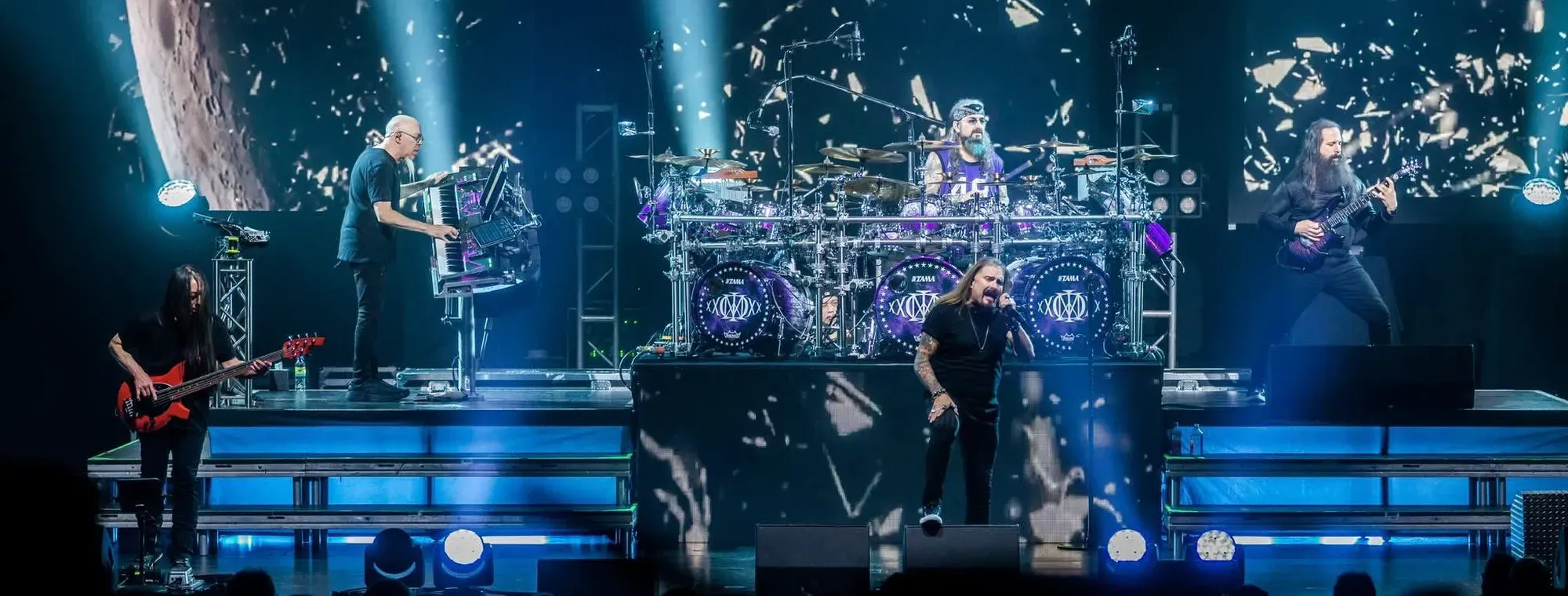
Originally published in Rock Hard magazine (Germany) 292 · September 2011
Taking The Bull By The Horns
InterviewTranslatedMike Mangini14 min read
Translated from the original language with DeepL, so the wording may differ from what was actually said.
Shortly before his first German show with Dream Theater at the Loreley, Mike Mangini (ex-Annihilator, -Extreme, -Steve Vai, among others) doesn’t miss the opportunity to answer some questions about his career and previous experiences with the prog giants during his warm-up training. The man also turns out to be a dream handle in human terms.
Björn Thorsten Jaschinski: Mike, which songs or parts on A Dramatic Turn Of Events challenged you the most?
Mike Mangini: There are a lot of songs like that, and they’re all opposites. I’m a classically trained drummer and I played the triangle in the school band as a kid. In ‘On The Backs Of Angels,’ there’s a part where I play John’s riff with my feet and accompany Jordan’s keyboard with one hand on a small stack cymbal. I play their parts and connect them while continuing to play a beat. This is great for me because I have to use all my skills. Then on the other hand, there are moments when I play in an incredibly reduced way, sometimes just keeping a rhythm. Or the ballads where I only contribute percussion. It was perfect for me to be the last one involved in this creative process. I play what the others composed.
BTJ: The biography on your homepage proclaims that you have continuously refined not only your rhythmic playing, but also your melodic playing. Most music listeners associate a drummer only with the former.
MM: I choose each cymbal hit by frequency. When Jordan or John Petrucci change to a higher register, I choose smaller cymbals. When they change keys, I do the same. Pay attention to my playing on the crash cymbals. I respond to the melody around me.
BTJ: Jordan has claimed the electronic beats in ‘Build Me Up, Break Me Down’ and ‘Outcry.’ Do these sounds interfere with your aesthetic sensibilities?
MM: When I compose, I don’t write like a regular drummer. When a drummer is with other musicians, he often just arranges. I write on a piano, a bass or a guitar. When I played around with loops and electronic sounds like that myself, I noticed how complicated it is to program and put them together. That’s why I can enjoy these arrangements. As soon as I add in the real drums, it gets heavy. I love that dynamic.
BTJ: Just as with Brian May, music was your first love, but for quite a while it looked like you were going to have more of a career as a scientist. Were you really involved in the development of the Patriot weapons system?
MM: I was a full time communications software engineer at times, but mostly just participated in documenting the research. The problem was that I didn’t have a degree or title at the time. I worked my way up, but somehow was in the wrong place. It was a different story with my real scientific work as a biologist. There I was dealing with cognitive phenomena. My reputation as a teacher comes from helping people retain information. Why else would I be practicing? I might as well go out to eat. I’ve studied how the brain can absorb and learn new information. That still fascinates me.
BTJ: Brian followed up with his PhD decades later. Are there any loose ends you’d like to pick up and tie up at some point?
MM: Wow! But for me, it’s just a hobby now. As a father, I only have a certain amount of time. My family is big, I have many friends. I have to take care of my belongings and practice.
BTJ: Drummers like you do heavy physical work. Is it an even bigger intellectual challenge on top of that?
MM: Yes. It’s a combination of everything I love. It’s not my choice at all, it’s part of my inner program.
BTJ: In an interview for Modern Drummer, you named God as your first priority, then family, and only third your own career.
MM: It’s easy for me to say something like that, but what it means is that I didn’t choose to come into this world. My parents... – [grins, claps hands – btj] – and here I am. They also came from somewhere, everything comes from somewhere. In the end, everything comes from God or whatever we call it. That is the information, I am not telling anyone how to think about it. I would never play Russian roulette with a gun if it could kill me 50% of the time. My family is infinitely important, but this place we all come from is most important. It’s a very simple philosophy. I’m a drummer, but I could also play hockey – or have another job.
BTJ: Many people nurture their faith with a customer mentality. They either say: God, I’m miserable – do something. Or else: I’m miserable, so you don’t exist.
MM: I don’t subscribe to either view, and I’m very cautious about this issue. Everyone has to make their own decision. You can have different careers but still be the same person and have family. The career is not the most important thing. Some may not believe in God. I’m just trying to do the right thing.
BTJ: You hold some speed records. The manageable list of world-class drummers you beat at the auditions also includes the high-speed wonder Derek Roddy [ex-Nile and Hate Eternal, among others]. Have death and black metal gained greater musical significance for you over the years beyond the sporting aspect?
MM: Mechanics are just a tool to express myself. When I hear other drummers like Derek, I’m just filled with excitement and admiration. That applies to everyone from these auditions. Personally, I’ve only met Peter Wildoer, a wonderful person. I respect them all endlessly.
BTJ: Besides Marco Minnemann, who originally comes from the German crossover scene, Peter was also among the top 3. He last played on James LaBrie’s solo album, you were featured on his debut album and the Mullmuzzler albums. Vitamin B?
MM: No, this band needs someone to take the bull by the horns – no matter who it is. Fortunately, that’s me.
James, who is marching through the tent where Mangini is warming up, intervenes.
James LaBrie: I can tell you this: his choice has nothing to do with previous engagements. He got the job because he’s a phenomenal drummer. He understands our music, he’s intuitive, and he’s the best guy out there for Dream Theater. Forever!
BTJ: The band has played The Number Of The Beast, Master Of Puppets, Dark Side Of The Moon and Made In Japan live. Would you like to play Set The World On Fire with them? Does Annihilator at least mean something to John Petrucci?
MM: I don’t know, we haven’t had a chance to talk about so many things that interest me. But we still have a lot of time ahead of us. We’re all fired up to play and we realize how we’re still developing on our instruments. That’s the most important thing. Dream Theater’s music feeds us so much information that a lifetime is not enough to keep track of our own material. At the same time, there are still so many drumming techniques that I don’t use, but want to master and bring in. These guys are amazing.
BTJ: You adapted your drum kit to the new requirements.
MM: I had already rebuilt my drum kit before Mike Portnoy left the band, and I don’t think that’s a coincidence. It was my idea to take four bass drums and make many other changes. After I joined the band, I rehearsed the entire catalog. When we recorded the new album, I wanted to be sure I could play the old songs with my kit. I thought, ‘Oh my gosh, I have to play ‘Learning To Live,’ but I’m missing this hardware part that I have to hit in it.’ So the current kit is a combination of my earlier ideas and analyzing Mike’s playing. I listened to the albums, watched videos – everything I could get my hands on. If I could play on stage with sheet music, none of this would be a problem. But I have to learn these insane songs properly.
BTJ: Who is your main focal point on stage to help you navigate within the songs?
MM: A combination of all of them, I need the whole band in the monitor sound. Sometimes it’s the bass that gives me the structure, sometimes it’s a vocal line, a riff or a keyboard lick.
BTJ: After your time with Annihilator, Extreme and Steve Vai eleven years ago, why did you take the job at the Berklee Institute Of Music?
MM: There were two reasons: I wanted to finally meet someone I could start a family with. And I had a lot of work to do alongside teaching. Giving clinics and being a teacher was a big challenge. I loved teaching and I will always do it part-time. As a full-time job, I don’t miss it because I enjoy playing way too much for that.
BTJ: Have many of your students made the jump to professional permanently?
MM: All of them, actually. Among them, not only metalheads. For example, Nikki Gillespie plays for Beyoncé today.
BTJ: Mike Portnoy took on so many roles: musician, composer, lyricist, working with the graphic artist, producer – he was also on the Rock Hard cover several times as the band’s mouthpiece. Will you be taking on any of his areas of work beyond the drum riser?
MM: [drums more heavily on his practice kit] No. I just play drums, that’s all. [laughs]
BTJ: Will you be involved as a songwriter on the next album?
MM: No idea. I don’t know. I had tremendous fun with how it went for A Dramatic Turn Of Events.
—Björn Thorsten Jaschinski
Original text
Den Bullen bei den Hörnern packen
Von Björn Thorsten Jaschinski
Kurz vor seiner ersten Deutschlandshow mit Dream Theater auf der Loreley lässt Mike Mangini (u.a. ex-Annihilator, -Extreme, -Steve Vai) es sich nicht nehmen, während seines Aufwärmtrainings einige Fragen zu seinem Werdegang und den bisherigen Erfahrungen mit den Prog-Giganten zu beantworten. Der Mann entpuppt sich auch menschlich als Traumgriff.
Mike, welche Songs oder Parts auf „A Dramatic Turn Of Events“ haben dich besonders herausgefordert?
„Es gibt viele solcher Songs, und sie sind alle gegensätzlich. Ich bin ein Drummer mit klassischer Ausbildung und habe als Kind in der Schulband die Triangel gespielt. In ´On The Backs Of Angels´ gibt es einen Part, an dem ich Johns Riff mit meinen Füßen spiele und Jordans Keyboard mit einer Hand auf einem kleinen Stack-Becken begleite. Ich spiele ihre Parts und verbinde sie, während ich weiterhin einen Beat spiele. Das ist großartig für mich, weil ich alle meine Fähigkeiten einbringen muss. Dann gibt es auf der anderen Seite Momente, in denen ich unglaublich reduziert spiele, manchmal nur einen Rhythmus halte. Oder die Balladen, in denen ich nur Percussion beisteure. Es war perfekt für mich, in diesem Entstehungsprozess als letzter involviert gewesen zu sein. Ich spiele, was die anderen komponiert haben.“
Die Biographie auf deiner Homepage verkündet, dass du kontinuierlich nicht nur dein rhythmisches, sondern auch dein melodisches Spiel verfeinert hast. Die meisten Musikhörer assoziieren einen Schlagzeuger nur mit ersterem.
„Ich wähle jeden Beckenschlag nach der Frequenz aus. Wenn Jordan oder John Petrucci in ein höheres Register wechseln, wähle ich kleinere Becken. Wenn sie Tonarten wechseln, tue ich das auch. Achte auf mein Spiel auf den Crash-Becken. Ich reagiere auf die Melodie um mich herum.“
Jordan hat die elektronischen Beats in ´Build Me Up, Break Me Down´ und ´Outcry´ für sich reklamiert. Stören diese Klänge dein ästhetisches Empfinden?
„Wenn ich komponiere, schreibe ich nicht wie ein normaler Drummer. Wenn ein Drummer mit anderen Musikern zusammen ist, arrangiert er oft nur. Ich schreibe auf einem Piano, einem Bass oder einer Gitarre. Als ich selbst mit solchen Loops und elektronischen Klängen herumgespielt habe, fiel mir auf, wie kompliziert es ist, sie zu programmieren und zusammenzufügen. Daher kann ich diese Arrangements genießen. Sobald ich mit dem echten Schlagzeug dazukomme, wird es heavy. Ich liebe diese Dynamik.“
Ebenso wie bei Brian May war die Musik deine erste Liebe, aber es sah eine ganze Zeit so aus, als ob du eher als Wissenschaftler Karriere machst. Du bist wirklich in die Entwicklung des Patriot-Waffensystems involviert gewesen?
„Ich war zeitweise ein vollbeschäftigter Techniker für Kommunikationssoftware, habe aber meist nur an der Dokumentation der Forschungsarbeiten mitgewirkt. Das Problem war, dass ich damals keinen Abschluss oder Titel hatte. Ich arbeitete mich hoch, war aber irgendwie am falschen Ort. Das sah bei meinen echten wissenschaftlichen Arbeiten als Biologe anders aus. Da habe ich mich mit kognitiven Phänomenen beschäftigt. Meine Reputation als Lehrer kommt daher, dass ich Menschen geholfen habe, Informationen zu speichern. Warum sollte ich sonst üben? Ich könnte genau so gut essen gehen. Ich habe studiert, wie das Gehirn neue Informationen absorbieren und erlernen kann. Das fasziniert mich noch immer.“
Brian hat nach Jahrzehnten seinen Doktortitel nachgeholt. Gibt es lose Enden, die du irgendwann aufgreifen und verknüpfen möchtest?
„Wow! Aber für mich ist es nur noch ein Hobby. Als Vater habe ich nur eine bestimmte Menge Zeit. Meine Familie ist groß, ich pflege viele Freundschaften. Ich muss mich um meinen Eigentum kümmern und üben.“
Schlagzeuger wie du leisten körperliche Schwerstarbeit. Ist es darüber hinaus eine noch große intellektuelle Herausforderung?
„Ja. Es ist eine Verknüpfung von allem, was ich liebe. Es ist gar nicht meine Wahl, sondern Teil meines inneren Programms.“
In einem Interview für Modern Drummer hast du Gott als erste Priorität bezeichnet, dann die Familie und erst als drittes die eigene Karriere.
„Es ist leicht für mich, so etwas zu sagen, aber was es bedeutet: Ich habe mir nicht ausgesucht, auf diese Welt zu kommen. Meine Eltern ... - (grinst, klatscht in die Hände - btj) – und hier bin ich. Sie kamen auch irgendwo her, alles kommt irgendwoher. Am Ende kommt alles von Gott oder wie auch immer wir es nennen. Das ist die Information, ich schreibe niemanden vor, wie er darüber zu denken hat. Ich würde niemals russisches Roulette mit einer Knarre spielen, wenn ich dabei zu 50% draufgehen könnte. Meine Familie ist unendlich wichtig, aber dieser Ort, von dem wir alle abstammen, ist am wichtigsten. Eine sehr simple Philosophie. Ich bin Drummer, aber ich könnte auch Eishockey spielen – oder einen anderen Beruf ausüben.“
Viele Menschen pflegen ihren Glauben mit einer Kundenmentalität. Entweder sagen sie: Gott, mir geht es dreckig – tu etwas. Oder aber: Mir geht es dreckig, also gibt es dich nicht.
„Beide Ansichten unterschreibe ich nicht und ich bin bei diesem Thema sehr vorsichtig. Jeder muss seine eigene Entscheidung treffen. Man kann verschiedene Karrieren haben, aber dennoch die gleiche Person sein und Familie haben. Der Beruf ist nicht das wichtigste. Manche mögen nicht an Gott glauben. Ich versuche einfach nur, das Richtige zu tun.“
Du hältst einige Geschwindigkeitsrekorde. Zur überschaubaren Liste an Weltklasse-Drummern, gegen die du dich bei den Auditions durchgesetzt hast, zählt auch das Highspeed-Wunder Derek Roddy (u.a. ex-Nile und Hate Eternal). Haben Death- und Black Metal über die Jahre jenseits des sportlichen Aspekts für dich musikalisch eine größere Bedeutung gewonnen?
„Mechanik ist nur ein Werkzeug, mich auszudrücken. Wenn ich andere Drummer wie Derek höre, bin ich einfach nur voller Begeisterung und Bewunderung. Das gilt für alle aus diesen Auditions. Persönlich getroffen habe ich nur Peter Wildoer, eine wundervolle Person. Ich respektiere sie alle endlos.“
Neben Marco Minnemann, der ursprünglich aus der deutschen Crossover-Szene stammt, war noch Peter unter den Top 3. Er spielte zuletzt auf James LaBries Soloalbum, du warst auf dessen Debütalbum und den Mullmuzzler-Alben zu hören. Vitamin B?
„Nein, diese Band braucht jemanden, der den Bullen bei den Hörnern packt – ganz egal, wer es ist. Glücklicherweise bin ich das“
James, der gerade durch das Zelt marschiert, in dem Mangini sich aufwärmt, mischt sich ein.
„Ich kann dir eins sagen: Seine Wahl hat nichts mit früheren Engagements zu tun. Er hat den Job bekommen, weil er ein phänomenaler Drummer ist. Er versteht unsere Musik, er ist intuitiv und er ist der beste Mann da draußen für Dream Theater. Für immer!“
Die Band hat live schon „The Number Of The Beast“, „Master Of Puppets“, „Dark Side Of The Moon“ und „Made In Japan“ gezockt. Würdest du gerne mit ihnen “Set The World On Fire” spielen? Bedeuten Annihilator zumindest John Petrucci etwas?
„Ich weiß es nicht, wir hatten noch gar nicht die Möglichkeit, über so viele Dinge zu reden, die mich interessieren. Aber wir haben noch viel Zeit vor uns. Wir sind alle heiß darauf, zu spielen und wir merken, wie wir uns auf unseren Instrumenten immer noch entwickeln. Das ist das wichtigste. Dream Theaters Musik füttert uns mit so vielen Informationen, dass ein ganzes Leben nicht ausreicht, das eigene Material zu überschauen. Gleichzeitig gibt es noch so viele Schlagzeugtechniken, die ich nicht nutze, aber beherrschen und einbringen will. Diese Jungs sind umwerfend.“
Du hast dein Drumkit an die neuen Anforderungen angepasst.
„Ich hatte mein Schlagzeug schon umgebaut, bevor Mike Portnoy die Band verließ und ich glaube nicht, dass das ein Zufall ist. Es war meine Idee, vier Bassdrums zu nehmen und viele andere Veränderungen vorzunehmen. Nachdem ich zur Band stieß, habe ich seinen kompletten Katalog durchgeprobt. Als wir das neue Album aufgenommen haben, wollte ich sicher sein, mit meinem Kit auch die alten Songs spielen zu können. Ich dachte: 'Oh my gosh, ich muss ´Learning To Live´ spielen, aber mir fehlt dieses Hardwarteil, welches ich darin anschlagen muss.' Das jetzige Kit ist also eine Kombination meiner früheren Ideen und der Analyse von Mikes Spiel. Ich habe die Alben gehört, mir Videos angesehen – alles, was ich bekommen konnte. Könnte ich auf der Bühne mit Notenblättern spielen, wäre das alles kein Problem. Aber ich muss diese wahnwitzigen Songs richtig erlernen.“
Wer ist auf der Bühne dein wichtigster Fixpunkt, um dich innerhalb der Songs zu orientieren?
„Eine Kombination von allen, ich brauche die ganze Band im Monitorsound. Manchmal ist es der Bass, der mir die Struktur aufzeigt, mal eine Gesangslinie, ein Riff oder ein Keyboardlick.“
Warum hast du nach der Zeit mit Annihilator, Extreme und Steve Vai vor elf Jahren den Job am Berklee Institute Of Music angenommen?
„Es gab zwei Gründe: Ich wollte endlich jemanden treffen, mit dem ich eine Familie gründen kann. Und ich hatte jede Menge Arbeit neben der Lehrtätigkeit, die ich so stemmen konnte. Clinics zu geben und Lehrer zu sein, war eine große Herausforderung. Ich habe sehr gerne unterrichtet und ich werde es immer nebenher tun. Als Vollzeitjob vermisse ich es nicht, weil ich dafür viel zu gerne selbst spiele.“
Haben viele deiner Schüler dauerhaft den Sprung ins Profilager geschafft?
„Eigentlich alle. Darunter nicht nur Metaller. Nicki Gallespi spielt z.B. heute für Beyoncé.“
Mike Portnoy übernahm so viele Rollen: Musiker, Komponist, Texter, Artworker, Produzent – er war als Sprachrohr der Band mehrfach auch auf dem Rock-Hard-Cover. Wirst du irgendwelche seiner Arbeitsfelder jenseits des Drumschemels übernehmen?
„(trommelt heftiger auf sein Übungskit ein) Nein. Ich spiele nur Schlagzeug, das ist alles (lacht).“
Wirst du beim nächsten Album als Songwriter involviert sein?
„Keine Ahnung. Ich weiß es nicht. Ich hatte enormen Spaß daran, wie es für „A Dramatic Turn Of Events“ lief.“
—Björn Thorsten Jaschinski