

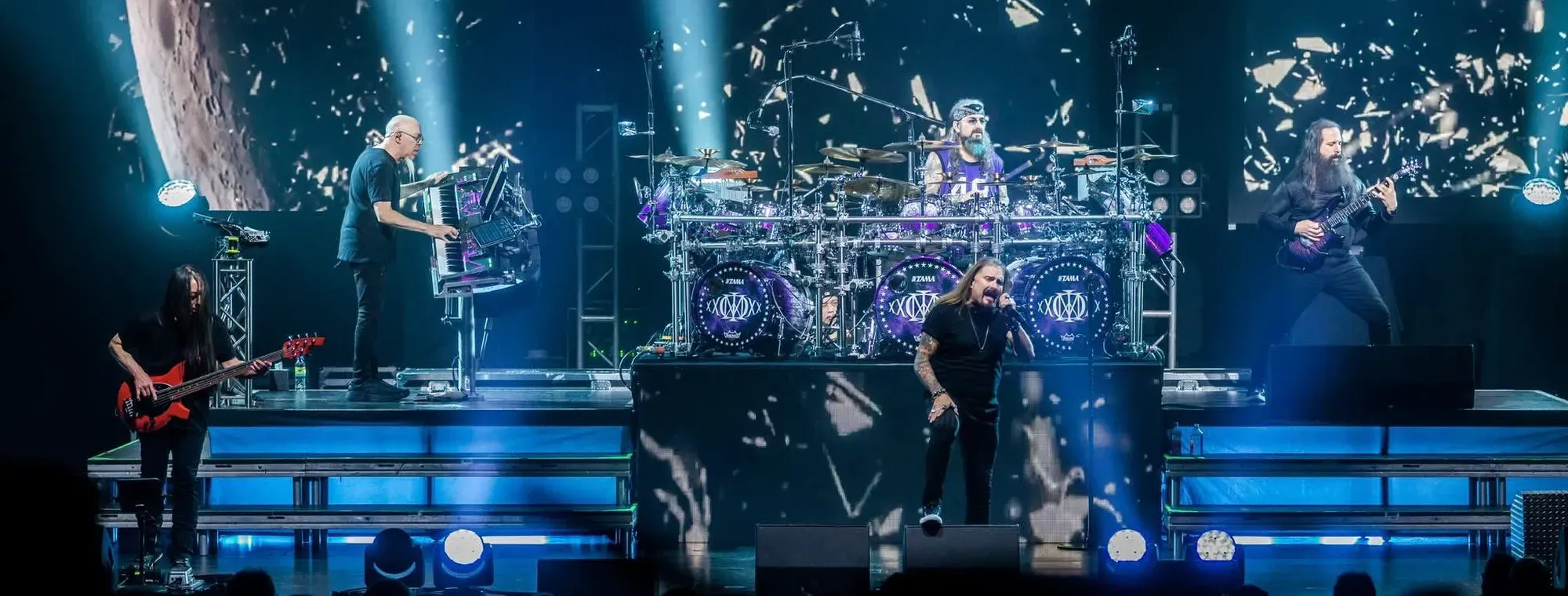
Originally published in Metal Edge magazine · 2005
Dream Theater: The Cult Of Prog
By Bryan Reesman
Article3 min read
The term “cult band” gets tossed around gratuitously these days.
Fans use it to give certain bands some sort of inflated street cred. Publicists utilize it to entice media to write about their bands. Writers invoke it to lend their favorite artists an air of legitimacy they might not otherwise have. In some cases, they are justified, but in many others off the mark. But if you want to find a group that epitomizes the modern definition of “cult band,” look no further than Dream Theater.
It’s hard enough being a progressive rock band. That appellation has been a dirty word in the mainstream for over two decades now. Dream Theater have proudly declared themselves a prog band and certainly lived up to the term with their over-the-top musical histrionics and increasingly sprawling albums. Love them or hate them, love their old stuff or their new stuff, think they’re musical geniuses or pretentious performers, Dream Theater have left an indelible mark on the world of rock ‘n’ roll.
The band’s latest album, Octavarium, will probably inspire an equal number of extreme reactions. The CD encompasses everything from the relatively short ‘n’ snappy, U2-ish rocker “I Walk Beside You,” to the frenetic eight-minute barnstormer “Panic Attack,” to the 24-minute title track, which opens with four minutes of ambient spaciness that recalls vintage Pink Floyd. Do we need another gi-normous Dream Theater epic like that latter song? Probably not. Do they care? No. When interviewed by launch about their concept album Metropolis Part 2: Scenes From A Memory back in 1999, drummer Mike Portnoy exclaimed that the band “wanted to be the most pretentious, overblown, pompous, over-the-top musicians making the most completely outrageous, extreme record possible.”
You have to give them props. Throughout the ‘90s, the concept of shred – hell, the concept of musicianship, period – was tossed out the window in favor of alternative sounds that stressed post-modern intellectualism over passion, shunning the rock star image in favor of a DIY, all-level playing field approach. When Dream Theater’s second album and major label debut Images And Words arrived in 1992, its infectious epic lead track “Pull Me Under” helped push it to gold-sales status three years later. While the band would never hit that plateau again, it would continue to expand and experiment and enthrall a devoted group of fans that shun mainstream rock trends. (Side-note: if you pine for vintage DT sounds today, check out James LaBrie’s solid new solo album Elements Of Persuasion.)
James LaBrie may be the frontman for the band, but he is not the focus. The idea here is that every member is a star in their chosen designation. Thus guitarist John Petrucci, bassist John Myung, keyboardist Jordan Rudess and drummer Mike Portnoy all carry equal weight for many fans. That’s on unusual situation for most bands, where one or two members overshadow everyone. The one time that Dream Theater’s label tried to commercialize them – on the 1997 release Falling Into Infinity – fans were less than pleased. Since sales did not rise, the quintet was left to their own devices once again. Their immediate solution was the 1999 rock opera Metropolis Part 2: Scenes From A Memory. Since then, the band have maintained their core following – For proof, note that the new Octavarium (which admittedly, and perhaps wisely, has tried to be just a little more commercial) charted of No. 36 its first week out.
Because of their heroes’ single-mindedness of purpose, Dream Theater fans are known for their loyalty. They devour the albums, snap up the t-shirts and experience the concerts. Many acquire the official live bootlegs released by the band. They surf eBay for obscure items and pay top dollar for everything from vintage posters to old press kits to the original demo by the band’s earliest incarnation, Majesty.
If any one group represents the term “cult band” today – and these guys certainly represent the cult of prog as well – it is Dream Theater. Their enduring status as a live act has recently been cemented through successful coheadlining tours with Queensrÿche and Joe Satriani, not to mention their co-headlining status on this summer’s Gigantour extravaganza with Megadeth, while the Live At Budokan DVD recently went platinum for shipping over 100,000 units. They may be not be selling gold albums, but their live status may be bigger today than it’s ever been, and they still proudly carry the torch for a genre that’s constantly criticized for its complexities and excesses.
To them, it’s simply music.