
Originally published in unknown source · 1994
Dream Theater: The Magic Behind the Music
InterviewJohn Petrucci4 min read
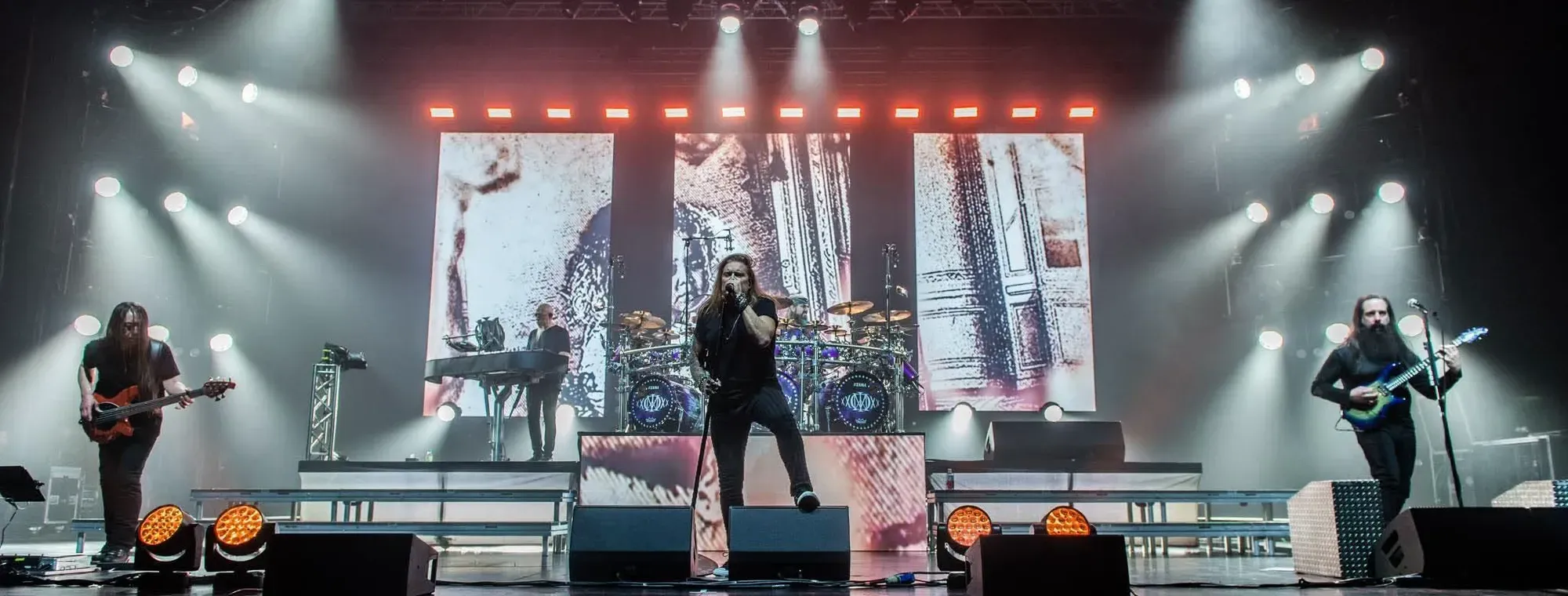
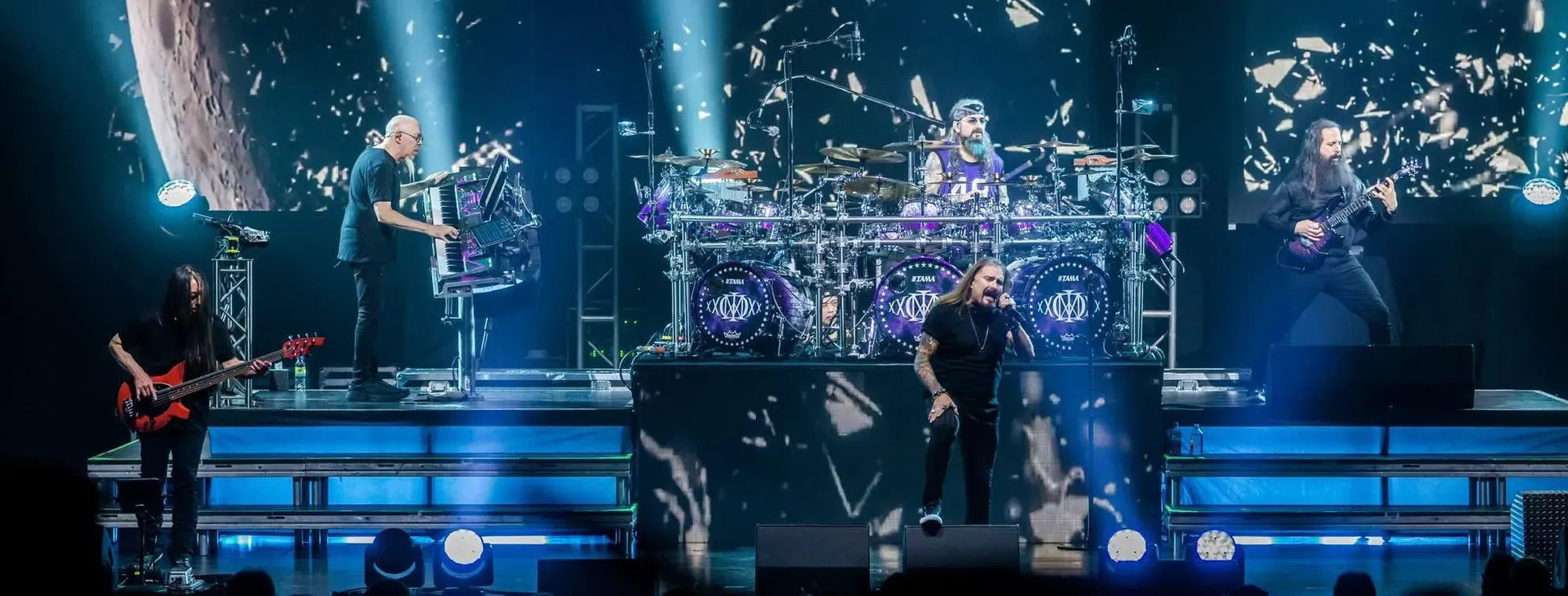
It isn’t just that nobody else sounds like Dream Theater...no one else can. And it isn’t just the chops; sure, the band (vocalist, James LaBrie, guitarist John Petrucci, bassist John Myung, keyboardist Kevin Moore and drummer Mike Portnoy) have established themselves as virtuosos, each player quite capable of running through multiple tempo changes with one hand while eating tuna fish sandwiches with the other. No, what sets Dream Theater apart from everone else is their unmitigated chutzpah; their imaginative and completely elastic approach to songwriting teeters on the edge of musical chaos, yet the band somehow always manages to weave a patchwork of abstract parts into crisp, rock solid arrangements. Few bands bands would (or could) attempt to pull anything off that daring. And don’t make the mistake of trying to pigeon-hole this by sticking the “progressive metal” tag on it...there’s more to the band’s big picture than that. The end result of Dream Theater’s “savoir-faire” approach to heavy metal is a provocative style of hard music based on artsy crunch. And that sound is Dream Theater’s, and Dream Theater’s alone.
The band made their mark on the scene with last year’s Images And Words, an ambitious album that took them out of their dingy little basement rehearsal room in Long Island and thrust them into the international limelight. The catchy chorus of breakthrough single “Pull Me Under” became a mainstream mantra, with everyone from casual daytime MTV watchers to the most ardent heavy metal fans singing both the song and the band’s praises. The record offered itself as a musical life preserver to those listeners left drowning helplessly in a sea of grunge. All of a sudden, Dream Theater’s musical genderbending became the alternative to “the alternative.”
And the band makes no apologies about being....different.
“All the bands that’ve influenced us have been around for years because they carved their own niche,” says Petrucci. “That’s the key to longevity. You can’t be a part of any current wave or trend. Instead, you’ve got to create one.”
On new album Awake, the band takes major strides toward creating that wave by once again refusing to play music by anyone’s rules but their own. The album clocks in at seventy-five minutes--the maximum amount of time available on compact disc. “We had written a lot of material,” explains Petrucci, “And we didn’t want to have to sacrifice any of it. We felt that all of the songs were strong enough to go on the album, so we had no choice but to go for the full max and put them all on.”
Produced by Duane Baron and John Purdell (known for their work with artists such as Ozzy Osbourne and Heart) at One On One Studios in California, Awake is everything a hard msuic album should be: full of textural complications, unexpected hooks and articulate playing.
And while Dream Theater’s fans have come to expect the band’s unrestrained outpouring of chops and melodic finesse, they may be surprised by some of the heavier material here. Songs like “Caught In A Web,” “6:00” and “Lie” are pure knucklebusters, complete with thick, gnarled riffs, amps turned to 11 and the kind of bruising, rhythmic surge that proves these guys can easily hang with metal heavyweights like Pantera and Metallica.
This newfound sense of musical angst keeps with the theme that runs through the album; where Images & Words dealt with the starry-eyed optimism of a young band strving to reach their goals and ideals, Awake basically sees the band dealing with things more realistically, more “awake” as it were. It’s here that the band applies the experiences of the past year and a half to their current lives, as they grapple with the frustrations and disappointments that go hand in hand with the successes of dreams realized. That’s not to say that the entire album is filled with vented anger; Dream Theater’s single-minded intensity allows them to sprint through a variety of styles and moods without pausing for breath. A prime example of that is the luxuriant warmth of “Lifting Shadows Off A Dream,” as well as the album’s 20-minute mini-marathon, “A Mind Besides Itself.” The piece is a combination of three songs: a manic instrumental titled “Erotomania,” a gripping middle section titled “Voices” and a closing acoustic passage titled “The Silent Man.”
Says Petrucci, “That song just runs the gamut, both emotionally and musically. It has everything--from simple parts where acoustic guitar and vocals are gently weaved together to an all-out intense instrumental section where anything goes. It’s pretty crazy,” he laughs.
If all you want out of a Dream Theater record is a crank and shredfest, you’ll find that here. But if you want something more, you’ll find that too. Awake is musical bonanza, flashing moments of both technical brilliance and pop-savviness with songs that are as exhilarating as they are disorienting. Dream Theater realize that they’re not making things easy to digest; by breaking down the rigid and traditional structures set up by the metal police, they’re shaking things up a bit, forcing both fans and peers alike to rethink their stance on what hard music should be.
“I like to challenge the listener,” admits Petrucci, “Because I like to be challenged by the music I listen to. I don’t think there’s anything wrong with making people think a little.”
August of ‘94 sees the band preparing to shoot a video for the first single “Lies,” while simultaneously gearing up for their performance at this year’s Foundations Forum in Burbank, Californa. In the fall, they start a headlining tour of large clubs and theaters around the country before hitting Japan and Europe in January. In the Spring, they come back to the States, bent on waking everyone up to what Dream Theater is all about. Open your eyes...your mind will follow.