

Originally published in Flash magazine 69 · October 1994
Dream Theater
InterviewTranslatedJames LaBrie26 min read
Translated from the original language with Google Translate, so the wording may differ from what was actually said.
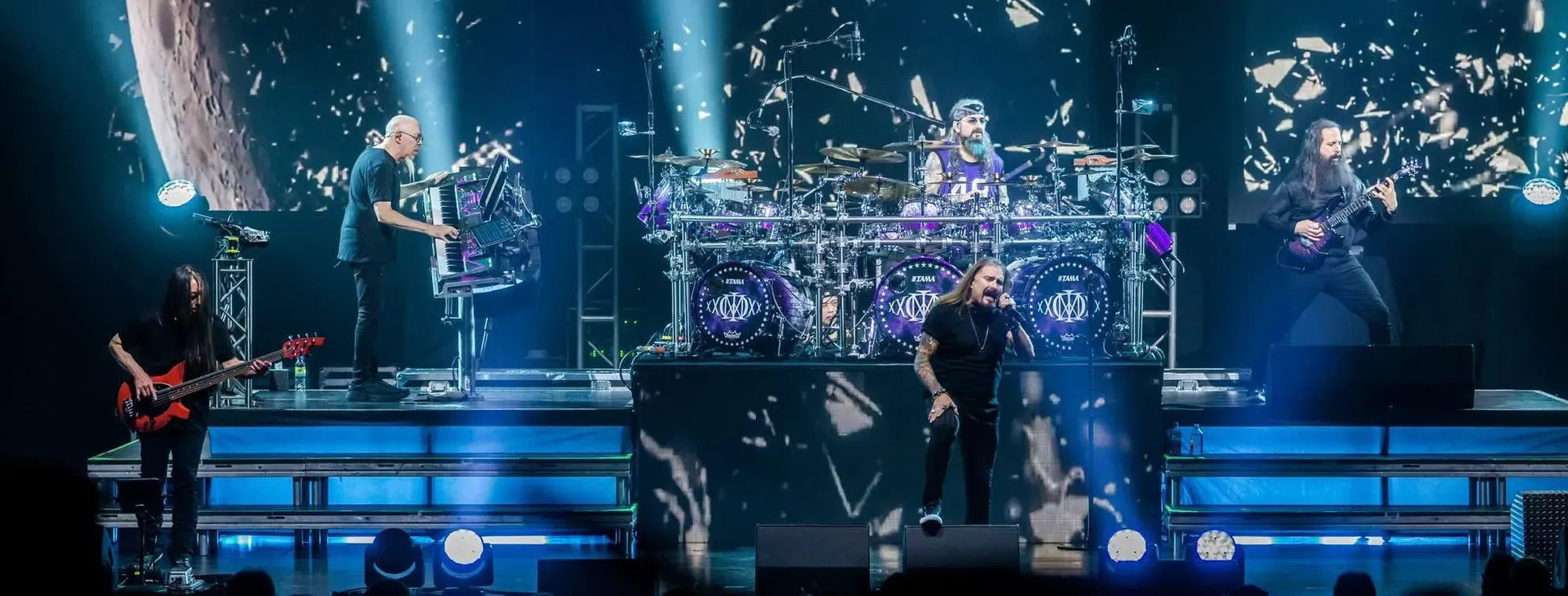
The huge celebration for Awake was partially marred by the unexpected dismissal the American group gave keyboardist Kevin Moore... The situation is outlined in an interview with James LaBrie.
Stefano Imperiale
Stefano Imperiale: James, here we are... the new album has been out for about ten days. But before we delve into the specifics of the music, I’d like to ask you about the title you chose: Awake...
James LaBrie: When we write the lyrics, we also try to find a phrase or word that can be found in several songs on the album and that ideally sums up a concept, an image that underpins the album itself. Awake is a title born through this process: in a certain sense, in fact, our music has ‘awakened,’ it has grown, just as our lyrics have grown, which today deal with all human relationships, and not just those between a boy and a girl, but also with the way we interact with others, with feelings, with everything around us, and with ourselves. The awareness of one’s own existence: this is the meaning of Awake.
SI: So Awake represents a sort of evolution for you, a decisive step forward...
JL: The first thing people will notice about Awake is that it definitely sounds more aggressive than Images..., but I think this has a lot to do with the gear we used in the studio. John Petrucci, for example, used a seven-string Ibanez guitar, which allowed him to achieve a much heavier sound, especially in the rhythm section; John Myung worked with a six-string bass throughout the album, while Mike, who recently became a Mapex endorser, had truly incredible results with this new drum kit, thanks in part to a huge percussion setup. Kevin also experimented a lot, especially with the sounds and the amplification of the keyboards themselves. It’s clear that people will be impressed by the truly heavy sound this album possesses, but the construction of the songs has remained faithful to the various musical influences that have been recognizable in our songwriting to date, including fusion, classical music, and jazz, as well as prog rock, of course.
SI: You chose Los Angeles to record, moving from one end of the United States to the other. Why?
JL: It was a forced choice, since the producers who assisted us during rehearsals [John Purdell and Duane Baron] both live in Los Angeles. The entire project forced them to stay away from home for over eight months, and in the end they asked us to record in California, close to their families. In any case, it was an interesting experience, also because we took advantage of two very well-equipped studios, especially the ‘One On One’ where we recorded the first part of the album.
SI: ...Purdell and Baron: how much of them is there in this new album?
JL: I have to admit that choosing a new producer was a bit of a concern for us. We weren’t just looking for a professional who could give us what our sound needed, but above all, someone who deeply understood our music and could help and advise us. When we met John and Duane, we immediately knew they were the right people. Today, I can say they worked really hard; it was also very easy to collaborate with them; they’re extremely smart and fun guys, and I’m convinced they brought out the best in every member of the band.
SI: Were you free to decide everything about Awake, or did Atlantic try to impose themselves in some way?
JL: I have to be honest: the record company was truly wonderful to us. They supported us in every way but gave us total creative freedom. When we started writing the songs for Awake, they literally left us alone, free to decide everything about our music. They never tried to tell us how or what to write. Their motto was, “Guys, you know what you have to do,” and they didn’t tell us anything else until the recordings were finished. They were great. I’m not saying this because they’re listening, I’m saying it because it’s the truth.
SI: Many fans expected songs like ‘To Live Forever’ or ‘A Change Of Seasons to be included on the new album. Why weren’t they included?
JL: You see, those songs were written four or five years ago, and as I explained before, the band wants to grow, and to do that, you can never look back. We love those songs, and we’re always very proud of them, but we had so many new ideas, that we chose to be contemporary with ourselves, more faithful to who we really are today. I don’t think those songs represent what we want to express now. In any case, regarding ‘A Change Of Seasons,’ we will definitely record it, because it will be part of a special CD we’ll release later and will also contain a second unreleased track. ‘To Live Forever,’ on the other hand, will be used as a B-side along with another song we’ve never played live: ‘Eve.’
SI: In the time between Images And Words and Awake, you also released Live At The Marquee: was this a way to thank your European fans or something else?
JL: Live At The Marquee was only released in the UK, Europe, and Japan, and will never be released on the American market. We didn’t actually record any other concerts during the tour, but we don’t consider this Marquee album a real live album, but rather a souvenir, a memento of an evening. When we plan to release a real live album, there will definitely be tracks recorded in Italy, the UK, Japan, and the US, because only then can it represent the tour in its entirety. I don’t know when we’ll have the opportunity to realize this project, but we already have a clear idea of what it should be like.
SI: Live At The Marquee also featured ‘Bombay Vindaloo,’ an instrumental piece with a truly atypical atmosphere. Will this unreleased track also never be released on record?
JL: American fans can rest assured that ‘Bombay Vindaloo’ will be included on a CD released by Guitar Recordings (Guitar’s Practicing Musicians Vol. 3, reviewed in this same issue). However, thanks to import circuits here in the States, more than twenty thousand copies of Live At The Marquee have already arrived on order, so the song in question is also known in America. I can also tell you that John Petrucci recorded a piece with his lifelong idol Steve Morse, and that Guitar magazine will soon publish this song in some form as well.
SI: Two releases recently appeared on the Italian market that concern you, and I’d like you to clarify them: the first CD was essentially the Majesty demo presented in a new graphic version, while the second is titled ‘Instru-Mental’...
JL: Of course, we have nothing to do with these releases. Unfortunately, when you reach a high level of popularity, it’s easy for guys to start exchanging and circulating tapes recorded at concerts, or somehow obtained demos or rehearsals recorded at the beginning of their career. Then maybe they press a few copies on CD and that’s it. It’s impossible to have any kind of control over situations like these. We’ll probably always be the last to know of the existence of this material. But before continuing with our interview, I’d like to clarify something, if you’ll allow me... Unfortunately, ‘Scarred’ won’t be available on the cassette version of Awake, which we were forced to exclude because the album’s considerable length would have significantly increased the production costs of the tape. We are very sorry about this, but I’d like the fans to know it wasn’t our fault.
SI: After the release of Images And Words, we witnessed the birth of a large number of bands, who, following your example, rediscovered prog rock and certain sounds typical of Rush and Yes. How do you assess this phenomenon?
JL: Well, first of all, we don’t like to consider ourselves a true prog band, because we also hear profound classical, jazz, and metal influences in our music. Coming to your question, I think it’s a good thing that there are many new bands wanting to play this music, but it’s important to realize that to be a good band in this genre, a long period of study, rehearsals, and growth as a group is essential. There must be total cohesion. It took Dream Theater 10-12 years of rehearsals to reach the point of being able to write in a certain way, and I don’t think many musicians can do it faster. It takes a lot of time to learn to write good music, especially in our genre, and if some bands hope to ride the wave by starting with this music at any moment, they’re very wrong.
SI: Are you planning on making videos with the songs from Awake?
We’ve already shot the video for ‘Lie,’ which will also be the first single from the new album. We chose New York for the shoot, specifically sixteen different locations in Manhattan. For this video, we worked with a truly incredible director, Ron Zeiman, who had previously collaborated on Ozzy Osbourne’s ‘No More Tears’ video and also directed Faith No More’s wonderful ‘Epic’ video. Ron also recently shot a film in South Africa, so when it came to making our project for ‘Lie,’ he was able to draw on a wealth of valuable and, moreover, extremely diverse experience. I think he did a fantastic job.
sidebar
Theater-Moore: Reasons for a Divorce
“We’re very sorry, believe me, but the situation had become unbearable. Over the past year, Kevin hasn’t been happy with us, and his influences – as well his musical tastes in general – had changed profoundly. Lately, he felt closer to industrial and techno-dance music, as well as bands like Nine Inch Nails, Ministry, The Mission, and Tori Amos. Kevin was planning projects completely different from our goals, so it seemed natural and right for him to leave us. Unfortunately, when this kind of attitude emerges in a band, the negativity it creates can also affect the other members of the group, and this doesn’t help establish and consolidate a constructive mentality. We wish Kevin all the best, but Dream Theater must continue on its path: just a few weeks ago, we played a concert in Los Angeles, and there we introduced Kev’s replacement, Jordan Rudess, a truly incredible keyboard player who has already worked in the past with Vinnie Moore [Time Odyssey] and the Dixie Dregs. His inclusion in the band is not definitive, at least for now. At this point, we don’t feel like making hasty decisions: in a few days we’ll be leaving for our first world tour, and we’ll certainly have a keyboard player with us, but that doesn’t mean he’ll be a full-fledged new member of the band. This person will have to have the right attitude, personality, and be up to the task both technically and creatively. When we realize we’ve found our man, we’ll let the world know.”
sidebar
James LaBrie And The Lyrics Of Awake
‘6.00’
Born from an idea by Kevin, this lyric describes a particular moment in life that certain people reach, which inevitably forces them to face certain choices. These people are dissatisfied with their job and their career, and their life doesn’t make them happy. So they realize they have to change, they have to start following their hearts to do things they truly love. Then one morning they wake up and decide not to go to that job they hate so much, but that from that moment on, a new life will begin for them, something that will make them happy.
‘Caught In A Web’
This lyric I wrote with John Petrucci, and it essentially expresses our anger at conformity. It’s an invitation to live for what you truly believe in, and to give everything to achieve your goals.
‘Innocence Faded’
This is an idea introduced by Petrucci, highlighting the differences between childhood and adulthood. When we’re young, we’re very open to others, more understanding of ways of being different from our own. Conversely, when we reach maturity, innocence is replaced by prejudice, clichés, and intolerance toward others, leaving us no longer even the time to express our true inner selves. Innocence fades, giving way to intolerance toward others.
‘Voices’
The second part of the ‘A Man Beside Itself’ trilogy, which began with the instrumental ‘Erotomania.’ The central figure of the piece is an individual suffering from severe psychological problems, which lead to a total inability to express himself and communicate with others. These problems confine him to a world of his own, which exists only in his head and which becomes the only reality he can experience. It’s a song that addresses disillusionment with human relationships.
‘The Silent Man’
This song, which always addresses communication issues, particularly the inability to connect with others due to the fact that we play a different role with every person we meet, leads us to never show who we truly are, and to suffer for it.
‘The Mirror’
The lyrics are by Mike Portnoy. They essentially express the discomfort that comes from infidelity in a romantic relationship, and how one can learn to deal with it and not let it crush us. A feeling shouldn’t be considered special if, by not being special, it could reveal unpleasant surprises.
‘Lie’
Kevin Moore wrote the lyrics for this song, which focuses on the falsehoods and deceptions that can stand in our way, even when our behavior has been correct.
‘Lifting Shadows Off A Dream’
Through this piece, John Myung explores the more spiritual side of human relationships, the ability to feel and embrace the energy created in a deep connection with another person. This positive energy can help us overcome any obstacle and achieve any goal.
‘Scarred’
Describes paranoia and schizophrenia, dramatic consequences that can arise when someone has the wrong approach to the real world, unable to interact with it and fit in.
‘Space-Dye Vest’
A very sad and melancholic song, written by Kevin Moore. Kevin got the idea for this piece while browsing through a fashion magazine: as he turned the pages, he saw a photo of a beautiful girl, and he fell in love with this enchanting image. For several days he stared at the photo in that magazine, thinking about how beautiful, sincere, and true he felt at the sight of the girl. But then he realized that the purity and innocence of those feelings would vanish if the encounter he so longed for were to become a reality. The only way to preserve the innocence and purity of those feelings was to leave the girl where she was, on the magazine page. By writing these lyrics, Kevin wanted to express the pain he felt for negative emotional situations, expressing his current difficulty in committing to a new, serious, and deep relationship with another woman.
sidebar
Dream Theater
Awake
Dream Theater has won me over. Forever. They deserve the title of an uncompromising band, one that doesn’t even remotely attempt to follow trends and, more importantly, definitively distances itself from even the slightest attempt to commodify their music. I was captivated by When Dream And Day Unite, by its beautiful and abstruse songs, so brilliant yet so hard to digest at first. Images And Words enthralled me less, despite being more mature, with its compositions taking on a more classical, more direct form – songs in the literal sense of the word. Well, Awake is the happy medium, so for me, it’s practically the perfection of form (assuming perfection exists). Dream Theater could have become bourgeois. They didn’t, and for that we will be eternally grateful. The facts: ‘6:00’ opens with LaBrie’s immediate bite, the true catalyst for this song, which combines the best of progressive rock with a certain Savatage-esque energy of Streets. Kevin Moore’s work is a bit subdued (throughout the album); news broke recently that he’s been ousted from the band. But it’s ‘Caught In A Web’ that seduces me, with the grit of the Portnoy-Myung-Petrucci trio, capable of a searing, full-bodied soundscape that annihilates, supported by keyboards that are at times vaguely oriental. Almost a sort of ‘90s ‘Kashmir,’ Plant and co. certainly wouldn’t complain about such boldness, given the result. Then comes ‘Innocence Faded,’ romantic and, for me, not very incisive. A track that other groups could compose; what you’ve heard before and what you’ll hear after, no. ‘Erotomania,’ a long, multifaceted suite, opens with an airy, compact instrumental that’s not shy away from sweetness but can also be aggressive. LaBrie is gritty, perhaps losing some of his splendid, modular melodies, but the energy he imparts to his vocals (still fiery) sets Awake apart. ‘The Mirror’ explodes with weight and darkness, as you’d hardly imagine. A never-ending, sly, and harsh song, with Petrucci’s glassy, malevolent side. ‘Lifting Shadows’ is sweet, in which LaBrie regains all his melodic power. ‘Scarred’ begins quietly but quickly boils over with vigor, transforming into another masterpiece of brutally electric hard rock. ‘Space-Dye Vest’ closes, AKA the calm after the storm. A melancholic piano introduces it, dreamlike and sullen. Awake is incredibly long, almost 75 minutes of music. That’s why it’s not easy to describe it as a whole. A difficult, multifaceted album that requires multiple listens to be understood and, no doubt, appreciated.
—Marco Petti
Original text
Dream Theater
La grande festa per “Awake” e’ stata parzialmente rovinata dall’inatteso benservito che il gruppo americano ha dato al tastierista Kevin Moore... Il punto della situazione nell’intervista con James LaBrie.
Stefano Imperiale
James. finalmente ci siamo... il nuovo disco è in circolazione da una decina di giorni. ma prima di entrare nello specifico musicale vorrei chiederti lumi circa il titolo prescelto: “Awake”...
“Quando ci impegniamo nella stesura dei testi, cerchiamo anche di trovare una frase o una parola che si possa incontrare in diverse canzoni dell’album e che idealmente riassuma in se stessa un concetto, un’immagine che sia alla base del disco stesso. ‘Awake’ è un titolo nato attraverso questo procedimento: in un certo senso, infatti, la nostra musica si è ‘risvegliata’, è cresciuta, così come sono cresciuti i nostri testi, che oggi trattano di tutti i rapporti umani, e non solo di quelli tra un ragazzo e una ragazza, ma anche del modo di confrontarsi con gli altri, dei sentimenti, di tutto quello che ci circonda, e di noi stessi. La consapevolezza della propria esistenza: questo é il significato di ‘Awake’”.
Quindi “Awake” rappresenta per voi una sorta di evoluzione, un deciso passo in avanti...
“La prima considerazione che i ragazzi faranno su ‘Awake’ è che suona senza dubbio in modo più aggressivo rispetto ad ‘Images...’, ma credo che questo abbia molto a che fare con la strumentazione che abbiamo utilizzato in studio. John Petrucci, ad esempio, ha usato una chitarra a sette corde della Ibanez che gli ha permesso di ottenere un suono molto più pesante, soprattutto in fase ritmica; John Myung ha lavorato su tutto l’album con un basso a sei corde, mentre Mike, che è appena diventato endorser della Mapex ha avuto con questa nuova batteria risultati davvero incredibili, grazie anche ad un immenso set di percussioni. Pure Kevin ha sperimentato molto, soprattutto sui suoni e sull’amplificazione stessa delle tastiere. E’ chiaro che i ragazzi rimarranno impressionati dal sound davvero heavy che quest’album possiede, ma la costruzione dei pezzi è rimasta fedele alle varie influenze musicali che fino ad oggi sono state riconoscibili nel nostro songwriting, quindi anche fusion, musica classica e jazz, oltre che al prog rock naturalmente”.
Avete scelto Los Angeles per registrare, spostandovi da un capo all’altro degli States. Perché?
“E’ stata una scelta ‘forzata’, poiché i produttori che ci hanno assistito durante le prove (John Purdell e Duane Baron/nda) abitano entrambi a Los Angeles. L’intero progetto li aveva costretti a stare lontano da casa per più di otto mesi, e alla fine ci hanno chiesto di registrare in California, vicino alle loro famiglie. Comunque è stata un’esperienza interessante, anche perché abbiamo usufruito di due studi attrezzatissimi, soprattutto lo ‘One On One’ dove abbiamo realizzato la prima parte del disco”.
...Purdell e Baron: quanto c’è di loro in questo nuovo album?
“Devo confessarti che la scelta del nuovo produttore ci ha creato non poche apprensioni. Non cercavamo soltanto un professionista che fosse in grado di darci ciò di cui il nostro sound aveva bisogno, ma volevamo soprattutto una persona che capisse a fondo la nostra musica, che ci sapesse aiutare e consigliare. Quando abbiamo incontrato John e Duane abbiamo capito subito che erano le persone giuste. Oggi posso dire che hanno lavorato davvero duro; è stato anche molto semplice collaborare con loro, sono ragazzi estremamente in gamba e divertenti, e sono convinto che siano riusciti a tirar fuori il meglio da ogni componente della band”.
Siete stati liberi di decidere ogni cosa riguardo “Awake” o la Atlantic ha tentato di imporsi in qualche modo?
“Devo essere sincero: la casa discografica è stata davvero meravigliosa nei nostri confronti. Ci hanno sostenuto in ogni modo ma ci hanno lasciato la totale libertà dal punto di vista creativo. Quando abbiamo iniziato a comporre i brani di ‘Awake’ ci hanno letteralmente lasciato soli, liberi di decidere ogni cosa riguardo la nostra musica. Non hanno mai cercato di dirci come e cosa scrivere. La loro frase è stata: ‘Ragazzi, voi sapete cosa dovete fare’ e non ci hanno detto altro sino al termine delle registrazioni. Sono stati grandi, non lo dico perché mi stanno ascoltando, lo dico perché è la verità”.
Molti fans si aspettavano di trovare sul nuovo album brani come “To Live Forever” o “A Change Of Season”. Come mai non sono stati inseriti?
“Vedi, quei pezzi sono stati scritti ormai quattro/cinque anni fa, e come ti spiegavo prima, è volontà del gruppo cercar di crescere, e per fare questo non bisogna mai voltarsi indietro. Noi amiamo quelle canzoni, e ne siamo sempre molto orgogliosi, ma avevamo così tante idee nuove, che abbiamo scelto di essere contemporanei a noi stessi, più fedeli a quello che oggi siamo realmente. Non penso che quelle canzoni rappresentino bene quello che vogliamo esprimere adesso. In ogni caso, per quanto riguarda ‘A Change Of Season’ la registreremo sicuramente, perché farà parte di un Cd speciale che pubblicheremo in seguito e che conterrà anche un secondo inedito. ‘To Live Forever’, al contrario, sarà utilizzata come b-side assieme ad un altro pezzo che non abbiamo mai suonato dal vivo: ‘Eve’”.
Nel lasso di tempo intercorso tra “Images And Words” ed “Awake” avete pubblicato anche “Live At The Marquee”: un modo per ringraziare i fans europei o cos’altro?
‘“Live At The Marquee’ è stato stampato solo in Gran Bretagna, Europa e Giappone, e non verrà mai lanciato sul mercato americano. In effetti non abbiamo registrato altri concerti durante il tour, ma noi non consideriamo questo del Marquee un vero e proprio live-album, piuttosto un souvenir, il ricordo di una serata. Quando avremo intenzione di pubblicare un vero e proprio live, ci saranno sicuramente tracce registrate in Italia, Gran Bretagna, Giappone, Stati Uniti, perché solo così potrà rappresentare il tour nella sua totalità. Non so quando avremo la possibilità di realizzare questo progetto, ma abbiamo già ben chiaro in mente come dovrà essere”.
Su “Live At The Marquee” era presente anche “Bombay Vindaloo”, un pezzo strumentale dall’atmosfera davvero atipica. Anche questo inedito non verrà mai messo su disco?
“I fans americani possono stare tranquilli perché ‘Bombay Vindaloo’ sarà inserito su un Cd edito dalla Guitar Recordings (“Guitar’s Practising Musicians Vol. III”, recensito su questo stesso numero/nda), comunque grazie ai circuiti import qui negli States sono già arrivate su ordinazione più di ventimila copie di ‘Live At The Marquee’, quindi il pezzo in questione è conosciuto anche in America. Posso anticiparti inoltre, che John Petrucci ha inciso un pezzo con il suo idolo di sempre Steve Morse, e che presto la rivista ‘Guitar’ pubblicherà in qualche modo anche questo brano”.
Sul mercato italiano sono apparse di recente due uscite che vi riguardano e sulle quali vorrei tuoi chiarimenti: il primo Cd era in pratica il demo dei Majesty presentato in una nuova versione grafica, mentre il secondo porta il titolo di “Instrumental”...
“Chiaramente noi non abbiamo niente a che fare con queste pubblicazioni. Purtroppo quando raggiungi un alto livello di popolarità, è facile che i ragazzi comincino a scambiarsi, e a far circolare nastri registrati ai concerti, o avuti chissà come, demos o prove incise all’inizio della carriera. Poi magari ne stampano alcune copie in formato Cd ed il gioco è fatto. E’ impossibile aver qualsiasi tipo di controllo su situazioni come queste. Probabilmente noi saremo sempre gli ultimi a sapere dell’esistenza di questo materiale. Ma prima di proseguire con la nostra intervista vorrei precisare una cosa, se me lo permetti... Nel formato cassetta di ‘Awake’, purtroppo, non sarà disponibile ‘Scarred’, che siamo stati costretti ad escludere poiché la notevole durata dell’album avrebbe aumentato di molto i costi di produzione del nastro. Siamo molto dispiaciuti di questo, ma vorrei che i fans sapessero che non è dipeso dalla nostra volontà”.
Dopo l’uscita di “Images And Words” abbiamo assistito alla nascita di un gran numero di bands, che seguendo il vostro esempio sono andate alla riscoperta del prog rock e di certe sonorità proprie dei Rush e degli Yes. Come giudichi questo fenomeno?
“Beh, intanto noi non amiamo considerarci una vera prog band, perché nella nostra musica avvertiamo anche profonde influenze classiche, jazz e metal. Venendo alla tua domanda, reputo positivo il fatto che ci siamo molte nuove bands che vogliono suonare questa musica, ma è importante realizzare che per essere una buona band in questo genere, è indispensabile un lungo periodo di studi, di prove, e di crescita a livello di gruppo. La coesione deve essere totale. I Dream Theater per giungere alla possibilità di comporre in un certo modo, hanno impiego 10/12 anni di prove, e non credo che molti musicisti possano fare più in fretta. Ci vuole un sacco di tempo per imparare a scrivere della buona musica, soprattutto nel nostro genere, e se alcuni gruppi sperano di poter cavalcare l’onda, iniziando con questa musica da un momento all’altro si sbagliano di grosso”.
Avete in programma di realizzare dei video con i brani di “Awake”?
“Abbiamo già girato il video di ‘Lie’ che sarà anche il primo singolo tratto dal nuovo album. Per le riprese abbiamo scelto New York e precisamente sedici località diverse di Manhattan. Per questo video abbiamo lavorato con un regista davvero incredibile, Ron Zeiman, che aveva già collaborato al clip di ‘No More Tears’ di Ozzy Osbourne, e si era occupato anche dello splendido video dei Faith No More ‘Epic’. Recentemente Ron ha girato anche un film in Sudafrica, per cui al momento della realizzazione del nostro progetto per ‘Lie’ ha potuto far conto su molte esperienze valide e tra l’altro estremamente diverse tra loro. Trovo che sia riuscito a fare un ottimo lavoro”.
sidebar
Theater-Moore: Ragioni Di Un Divorzio
“Siamo molto dispiaciuti, credimi, ma la situazione era diventata insostenibile. Durante l’ultimo anno Kevin non è stato felice con noi, ed inoltre le sue influenze e più in generale i suoi gusti musicali erano profondamente cambiati. Negli ultimi tempi si sentiva più vicino alla musical industriai e techno-dance, oltre che a gruppi come Nine Inch Nails, Ministry, Mission e Tori Amos. Kevin stava pianificando progetti completamente diversi da quelli che erano i nostri obiettivi, così ci è sembrata cosa naturale e giusta che ci lasciasse. Purtroppo, quando in una band emergono atteggiamenti di questo tipo, le negatività che si creano possono influenzare anche gli altri componenti del gruppo, e ciò non contribuisce ad instaurare e consolidare una mentalità costruttiva. Noi auguriamo tutto il bene possibile a Kevin, ma i Dream Theater debbono proseguire per la loro strada: proprio qualche settimana fa abbiamo tenuto un concerto a Los Angeles, e già allora abbiamo presentato il sostituto di Kev, Jordan Rudes un tastierista davvero incredibile che in passato ha già lavorato con Vinnie Moore (“Time Odissey”/nda) e con i Dixie Dreggs. Il suo inserimento nella band non è definitivo, almeno per ora. A questo punto non ce la sentiamo di prendere decisioni affrettate: tra pochi giorni partiremo per il nostro primo tour mondiale, e sicuramente avremo un tastierista con noi, ma questo non significa che sarà un nuovo membro della band a tutti gli effetti. Questa persona dovrà avere il giusto atteggiamento, personalità e dovrà essere all’altezza sia dal punto di vista tecnico che creativo. Quando ci renderemo conto di aver trovato il nostro uomo, lo comunicheremo al mondo”.
sidebar
James LaBrie E I Testi Di “Awake”
“6.00”
Nato da un’idea di Kevin, questo testo descrive un particolare momento della vita al quale certe persone giungono e che li porta inevitabilmente ad affrontare delle scelte. Queste persone non sono soddisfatte del loro lavoro e della loro carriera, e la loro vita non li rende felici. Così capiscono che devono per forza cambiare, devono cominciare a seguire il loro cuore per fare cose che davvero amano fare. Allora una mattina si svegliano e decidono che non andranno su quel posto di lavoro che tanto detestano, ma che per loro da quel momento inizierà una nuova vita, un qualcosa che saprà renderli felici.
“Caught In A Web”
E’ un testo che ho scritto io insieme a John Petrucci, e fondamentalmente esprime la nostra rabbia verso il conformismo. E’ un invito a vivere per le cose in cui si crede veramente, e a dare tutto per raggiungere i propri obiettivi.
“Innocence Faded”
E’ un’idea portata da Petrucci, e mette in evidenza le differenze tra l’infanzia e l’età più adulta. Quando si è giovani si è molto aperti verso le altre persone, più comprensivi verso i modi di essere diversi dal nostro. Al contrario, quando sopraggiunge la maturità, all’innocenza si sostituiscono pregiudizi, luoghi comuni e intolleranza verso il prossimo, al quale non si lascia più nemmeno il tempo per esprimere la propria vera interiorità. L’innocenza svanisce, dunque, e lascia il posto all’insofferenza verso gli altri.
“Voices”
La seconda parte della trilogia “The Man Besides Itself”, iniziata con lo strumentale “Erotomania”. Figura centrale del testò è un individuo affetto da gravi problemi psicologici, che lo portano ad una totale incapacità di esprimersi e di comunicare con gli altri. Questi problemi lo confinano in un mondo tutto suo, che esiste solo nella sua testa e che si trasforma nell’unica realtà che può vivere. E’ una canzone che affronta la disillusione verso rapporti umani.
“The Silent Man”
Chiude la trilogia questo brano sempre inerente problemi di comunicazione, in particolare l’impossibilità di confrontarsi con il prossimo dovuta al fatto che con ogni persona che conosciamo interpretiamo un ruolo diverso, che ci porta a non mostrare mai chi veramente siamo, e a soffrire per questo.
“The Mirror”
Il testo è opera di Mike Portnoy. Essenzialmente esprime il disagio derivante dall’infedeltà in una relazione affettiva, di come si può imparare ad affrontarla e a non farsi schiacciare. Non bisogna considerar speciale un sentimento che non essendolo potrebbe rivelarci sgradite sorprese.
“Lie”
Kevin Moore ha scritto le parole per questa canzone incentrata sulle falsità e sugli inganni che ci possono intralciare la strada, nonostante il nostro comportamento sia stato corretto.
“Lifting Shadows Off A Dream”
Attraverso questo pezzo, John Myung affronta il lato più spirituale dei rapporti umani, la possibilità di sentire e far propria l’energia che si crea nel rapporto profondo con un’altra persona. Grazie a questa energia positiva si può essere in grado di superare qualsiasi ostacolo e di raggiungere qualsiasi meta.
“Scarred”
Descrive la paranoia e la schizofrenia, drammatiche conseguenze nelle quali può incorrere una persona che ha un approccio sbagliato con il mondo reale, con il quale non riesce ad interagire, e nel quale non riesce ad inserirsi.
“Space-Dye Vest”
Una canzone molto triste e malinconica, scritta da Kevin Moore. Kevin ha avuto l’idea per questo pezzo sfogliando un giornale di moda: girando le pagine ha visto la foto di una splendida ragazza, e si è innamorato di questa immagine incantevole. Per diversi giorni ha guardato la foto contenuta in quella rivista pensando a quanto di bello, di sincero e di vero provasse alla vista della ragazza, ma in seguito ha realizzato che la purezza e l’innocenza di quei sentimenti sarebbero svanite se l’incontro che tanto desiderava fosse diventato realtà. L’unico modo di preservare l’innocenza e la purezza di quei sentimenti era quello di lasciare la ragazza dov’era, sulla pagina della rivista. Scrivendo questo testo, Kevin ha voluto esprimere il dolore provato per situazioni affettive vissute negativamente, esternando la sua attuale difficoltà nell’impegnarsi in una nuova relazione seria e profonda con un’altra donna.
sidebar
Dream Theater
Awake
I Dream Theater mi conquistano. Per sempre. Meritano la palma di band senza compromessi, che non tenta neppure lontanamente di seguire le mode e, cosa ancor più importante, si allontana in maniera definitiva dal più minuto tentativo di mercificare la propria musica. Ero rimasto irretito da “When Dream And Day Unite”, dai suoi brani belli e astrusi, così geniali e così poco digeribili al primo impatto. “Images And Words” mi entusiasmò di meno, seppur più maturo, con le sue composizioni che avevano assunto una forma più classica, più diretta, canzoni nel senso letterale del termine. Ebbene, “Awake” è il giusto mezzo quindi, per me, praticamente la perfezione delle forme (ammesso che la perfezione esista). l Dream Theater potevano imborghesirsi. Non lo hanno fatto, e per questo gli saremo eternamente grati. I fatti: apre “6.00” e LaBrie è subito pungente, vero catalizzatore di questa song che unisce il meglio del progressive con una certa foga alla Savatage di “Streets”. Il lavoro di Kevin Moore risulta un po’ sottotono (in tutto l’album); è notizia di questi giorni che sia stato estromesso dalla band. Ma è “Caught In A Web” che mi seduce, con la grinta del trio Portnoy-Myung-Petrucci capace di un tappeto sonoro bruciante e corposo che annichilisce, supportato dalle keyboards a tratti vagamente orientaleggianti. Quasi una sorta – di “Kashmir” degli anni ‘90, di certo Plant e soci non si lamenterebbero di tanto ardire, visto il risultato. Ecco poi “Innocent Faded”, romantica e, per me, poco incisiva. Una track che pure altri gruppi potrebbero comporre; quello che avete ascoltato prima e quello che ascolterete dopo, no. “Erotomania”, lunga suite dalle mille facce, si schiude con uno strumentale arioso e compatto, che non disdegna la dolcezza ma sa essere anche arrembante. LaBrie è grintoso, perde forse parte del suo splendido modulare melodie, ma la carica che imprime ai suoi vocalizzi (comunque sempre caldi) marchia a fuoco questo “Awake”. “The Mirror” esplode pesante, cupa come difficilmente potreste immaginare. Song infinita, sorniona e dura, con un Petrucci vetroso e malefico. Dolce è “Lifting Shadows”, nella quale LaBrie riacquista tutto il suo potere melodico. “Scarred” nasce tranquilla ma ebolle beh presto vigorosa, trasformandosi in un altro capolavoro di hard brutalmente elettrico. Chiude “Space-Dye Vest”, ovvero la calma dopo la tempesta. Un piano malinconico la introduce, onirica e corrucciata. “Awake” è lunghissimo, quasi 75 minuti di musica. Per questo non è facile descriverlo nel suo complesso. Album difficile, sfaccettato, che necessita di svariati ascolti per essere capito e, non dubitate, apprezzato.
—Marco Petti